REVIEW · WELLINGTON
Wētā Workshop Guided Transfers & Tour
Book on Viator →Operated by Weta Workshop · Bookable on Viator
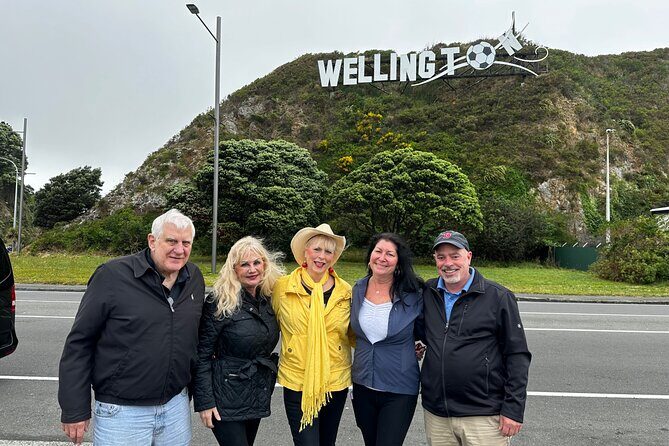
Movie magic starts with a bus ride. This Wētā Workshop guided transfer-and-tour pairs a dedicated shuttle from central Wellington with a guided visit to the working “Wētā Cave” in Miramar—complete with live commentary, harbour views, and even the Wellywood sign along the way.
I love how the tour keeps things personal with a max 9 travelers group size, so questions actually fit into the flow. I also love the craft focus and the hands-on touches, especially when guides like Molly or Becky bring the story to life in a clear, friendly way.
One thing to plan for: you’re in a drafty working workshop, so pack a warm layer or two and expect some standing time.
In This Review
- Key highlights you’ll care about
- Wellington to Wētā Cave: the part most people underestimate
- Stop 1: Wakefield Street pick-up (and the one timing trick that saves stress)
- The ride to Miramar: commentary, coastal views, and a few comfort notes
- Wētā Cave: what the guided tour actually does well
- The films referenced, and why that matters (even if you’re not a superfan)
- “Active workshop” access: what you’ll see and what you won’t
- The hands-on parts: touch, feel, and why they’re worth your time
- When rooms get noisy and close: a real consideration
- What you should know before you go: layers, photos, and packing light
- Price and value: is $61.44 worth it?
- Logistics that make or break the day
- Who this tour is best for
- Should you book Wētā Workshop Guided Transfers & Tour?
Key highlights you’ll care about
- Dedicated shuttle from central Wellington with live commentary and a smooth round-trip
- Harbour views plus a stop for the Wellywood sign on the drive to Miramar
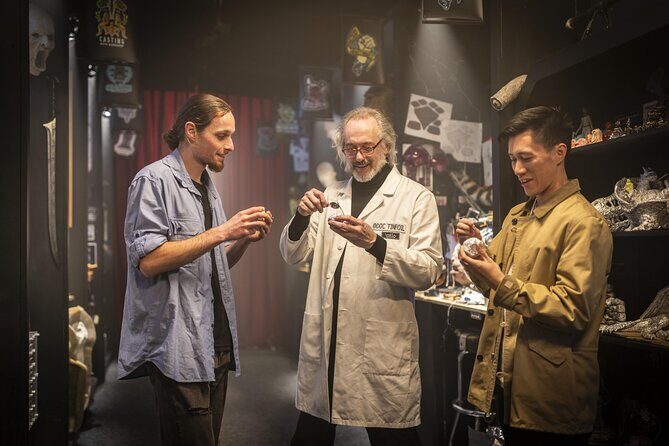
- Wētā Cave guided tour focused on practical effects, props, creatures, and costumes
- Small group size (max 9) for better questions and a more relaxed pace
- Manufacture Alley interaction where you can see tools and technology up close
- No photography inside tour spaces and no luggage storage, so travel light
Wellington to Wētā Cave: the part most people underestimate
The whole experience starts before you ever reach the doors. You ride in a dedicated shuttle with live commentary, and the route gives you that classic Wellington-to-Miramar coastal angle. You’re not stuck in silence or hunting for your own way around—someone else handles the logistics, and you get the scenery and stories while you’re on the move.
I like tours that treat the ride as part of the show. This one does. It also helps you feel oriented fast, because you’re getting local context while you’re heading to the workshop. That matters because Wētā isn’t just a museum vibe; it’s film craft in motion.
On the way, you may also get a photo moment connected to the Wellywood sign. It’s a nice low-effort win before the main event, and it sets the tone: this is Wellington creativity with film-industry scale.
You can also read our reviews of more guided tours in Wellington


Stop 1: Wakefield Street pick-up (and the one timing trick that saves stress)
Your tour’s meeting point is 217 Wakefield Street, near Tākina. This is one of those spots that should be easy—until you’re running late, distracted, or the signage is hard to spot from the street.
The practical move: show up 15 minutes early at the pick-up zone. That buffer isn’t for nothing. It helps you get the correct vehicle right away, especially since your shuttle is dedicated and needs to depart on schedule.
Also note: this tour does not include hotel pickup. If you’re staying outside the city centre, plan your route to Wakefield Street first, rather than banking on a driver coming to you.
The ride to Miramar: commentary, coastal views, and a few comfort notes
Once you’re on board, the shuttle ride is part of the value. You get return transfers with onboard commentary, which means you’re learning even before the tour starts.
Timewise, you should expect the full experience to run about 3 hours 15 minutes (approx.) including the transfers and workshop visit. That’s a solid chunk of your afternoon, but it’s not so long that you feel trapped.
A couple comfort points matter here:
- There’s no luggage storage in the transfer vehicle or the tour spaces. Bring a small day bag or just what you need.
- You’ll be doing a fair bit of standing once you arrive. Comfortable shoes beat “pretty” shoes.
Wētā Cave: what the guided tour actually does well
When you reach Wētā, the focus shifts from travel to making. The guided portion is designed to show you how practical effects turn into believable screen magic.
What I like about this tour structure is that it doesn’t stay on one topic. You move through the workshop world and see multiple departments and kinds of builds, rather than only one room of exhibits. The tour also places the work in context—how Wētā’s craft grew into major productions over time.
You’ll hear practical stories about:
- how props and costumes are created,
- how creatures and physical effects work,
- and what it takes to build for film scale.
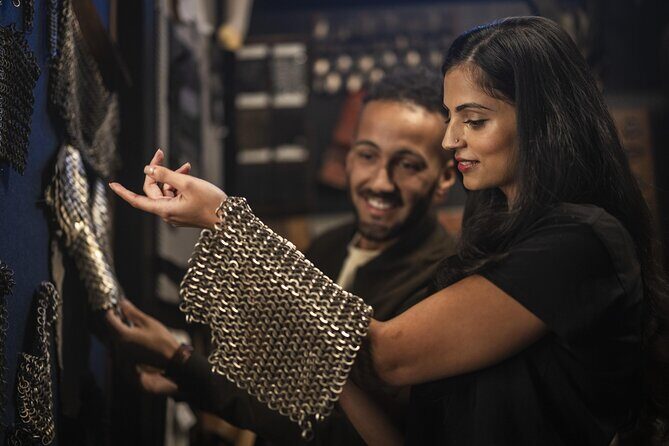
The tour also includes time in spaces like Manufacture Alley, where you can interact with the tools and technology used by the creative departments. It’s one of the most “real” parts of the day because it turns the idea of special effects into actual process.
The films referenced, and why that matters (even if you’re not a superfan)
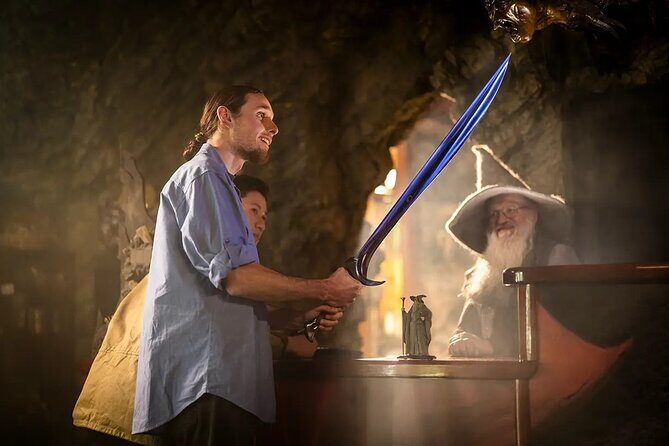
Yes, a lot of attention goes to big-name franchises—especially The Lord of the Rings and The Hobbit. If those films are your comfort zone, you’ll likely feel like the tour is speaking your language.
But I also appreciate that the craft lens extends beyond one universe. The workshop’s work connects to other productions like Avatar and even big historical projects such as Gallipoli: The scale of our war, along with other film work from earlier decades. That breadth is useful because it keeps the tour from feeling like a single-fandom shrine.
Even if you only know one movie well, you can still leave understanding the tools of the trade: moulding, sculpting, finishing, fabrication, and the practical side of bringing characters to life.
A few more Wellington tours and experiences worth a look





“Active workshop” access: what you’ll see and what you won’t
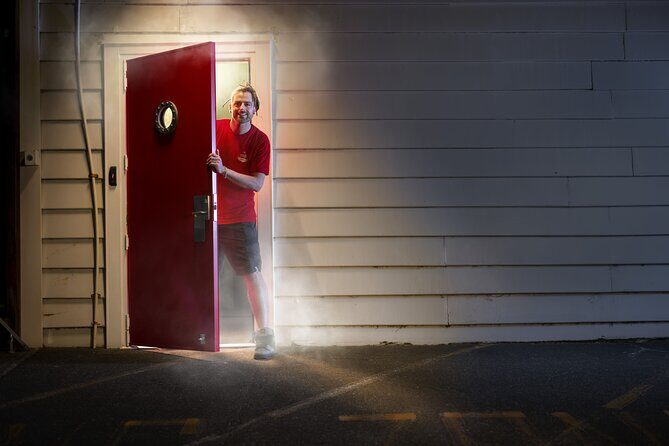
One expectation to set: you won’t be strolling into the most secret, behind-the-scenes workflow areas. This tour gives you access to curated tour spaces and staged demonstrations—enough to understand the craft, but not full access to everything being made for future productions.
That’s not a dealbreaker. In fact, it can make the tour more enjoyable. You’re not standing around waiting for someone to clear space or explain a production line while things are in motion. Instead, the flow is built around visitor-friendly viewing.
And the people on the tour stage help with that. In the best moments, you can see artists at work and learn how their choices affect the final look on screen.
The hands-on parts: touch, feel, and why they’re worth your time
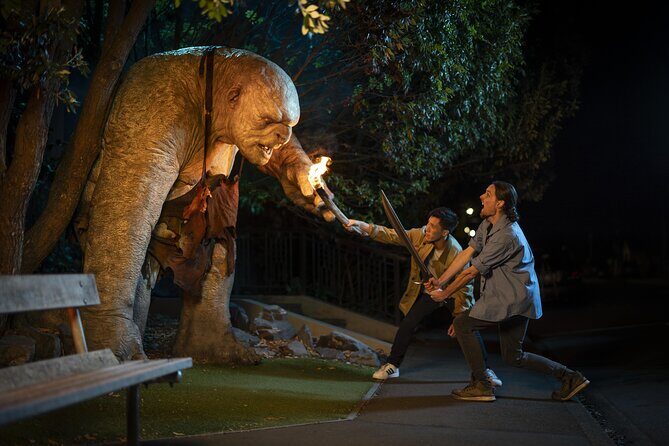
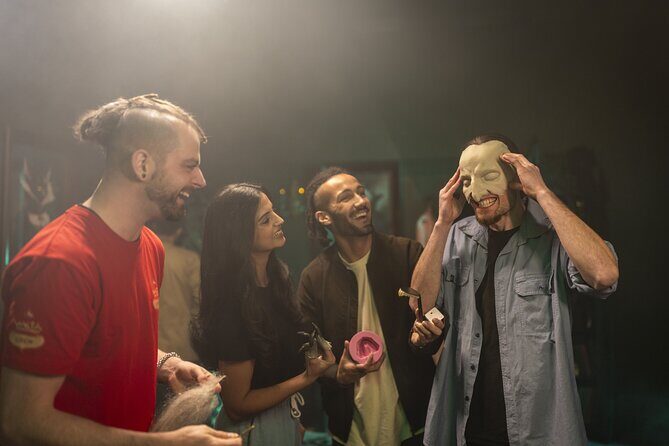
This tour isn’t only about watching. You get experiential opportunities, including some interactive moments near the end of the tour that can involve unique items you can touch or handle (where the guide allows it).
I like this because practical effects become easier to understand when you’ve actually felt how materials behave. It changes the day from trivia to real understanding. If you’re traveling with kids, or you’re the kind of adult who likes to learn by doing, this is where the tour clicks.
Also, the guides’ energy matters. I’ve seen guides in this program bring clear structure to the tour sections and keep it inclusive across age groups. Names I’ve seen in the guide roster include Molly, Becky, Taylor, Emmie, Maia, Imogen, and Sully. Any of them are worth paying attention to—watch for the moments where they invite questions and explain what you’re looking at.
When rooms get noisy and close: a real consideration
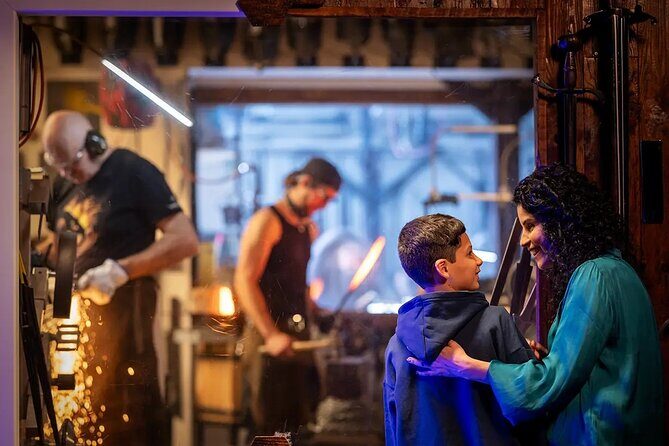
This is a working space, and it can feel tight in some sections. On top of that, sound can be tricky inside multiple rooms where people are being guided at the same time.
If you’re sensitive to overlapping sound or you prefer quiet environments, plan for a bit of audio crossover. The guides do their best to keep the tour clear, but it’s not designed like a museum gallery where each space is fully isolated.
What you should know before you go: layers, photos, and packing light
Here’s the practical checklist I’d follow:
- Bring warm layers. The workshop can be a little drafty because it’s a functioning workspace.
- No luggage storage anywhere in the transfer vehicle or tour spaces. Keep your bag small.
- Photography is strictly prohibited in all tour spaces unless your guide specifies otherwise.
- Wear shoes you can stand in. There’s limited seating during the experience.
Also plan around the fact that photography rules may affect what you take home. Instead of planning a full “camera tour,” plan to use your notes, the guide’s explanations, and any allowed photo moments outside tour spaces (where they occur) to remember the details.
Price and value: is $61.44 worth it?
At $61.44 per person, this is one of those “good deal or overpriced” situations where the answer depends on what you want from your day.
If you want:
- round-trip transport from central Wellington,
- a guided, structured workshop experience, and
- admission bundled with that guidance,
then you’re getting real value from paying one price. You’re not paying separately for a ride and a guided entry experience.
If you’re the type who wants a long, slow self-guided museum visit where you can wander and linger for hours, this one may feel tighter. The format is designed around a guided route and set pacing.
Also remember: food and drinks aren’t included. So if you’re doing this as a main afternoon activity, plan to eat before or after. You’ll enjoy the tour more if you’re not hungry while standing in drafty spaces.
Logistics that make or break the day
These are the small details that prevent the big annoyances:
- Keep it simple on arrival. The pick-up point is fixed at 217 Wakefield Street.
- Arrive 15 minutes early to reduce stress.
- Know that you won’t have luggage storage, so don’t carry bulky items.
- Expect the group to be small, which is a plus for interaction but also means schedules are followed closely.
One more tip: there may be a limited window to shop at the gift area. If you want specific items, you’ll have a better day if you decide what you’re after ahead of time rather than relying on browsing for a long stretch.
Who this tour is best for
This is a strong choice if you:
- love practical effects and want to see how they’re made,
- want a small-group Wellington activity with a guide driving the story,
- are interested in major film and TV productions linked to Wētā’s work,
- or you just want a fun, creative afternoon that’s not only walking around streets.
It’s also a good family pick because the guides are able to keep things understandable across different age groups, and the hands-on elements help younger visitors stay engaged.
If you’re not into film at all, you might still enjoy the craftsmanship angle—but your experience will likely depend on how much you enjoy behind-the-scenes creativity and process.
Should you book Wētā Workshop Guided Transfers & Tour?
Book it if you want a guided, efficient way to get from central Wellington to Miramar and come away understanding how real props, creatures, and costumes get built. The combination of harbour-view shuttle, small group size, and hands-on moments makes it easy to recommend.
Skip it or consider a different style of visit if you need quiet, long independent wandering, or photo-friendly areas inside the tour spaces. Also, if you’re traveling with a lot of luggage, you’ll feel the lack of storage.
If you’re aiming for a “Wellington afternoon with real craft” rather than just another attraction, this one earns its spot on your list.