REVIEW · ROTORUA
15-Minute Crater Lakes Flight by Floatplane from Rotorua
Book on Viator →Operated by Volcanic Air · Bookable on Viator
Crater lakes look different from the sky. This 15-minute floatplane hop over Rotorua turns geothermal ground and crater lakes into an aerial story you can actually follow, thanks to headset commentary from your pilot-guide.
I love the personal headsets and live narration. I also like that it’s a small-group flight (up to 10 people), so the experience feels focused instead of rushed.
The main drawback: the whole flight is about 15 minutes, so it’s more of a quick “wow pass” than a slow sightseeing session.
In This Review
- Key things to know before you fly
- 15 minutes over crater lakes: what you’re really buying
- Getting to the Rotorua lakefront start point without stress
- Floatplane basics: headsets, small groups, and what that means for you
- The flight path: Mokoia Island to Okataina, Okaraka, Blue Lake, and Green Lake
- Returning over Whakarewarewa forest and Sulphur Bay
- Why the pilot-guide and headsets matter more than you think
- Weather and scheduling: the reality of a good flight day
- What to expect on board (and how to get better views)
- Who this floatplane hop fits best
- Price and logistics: is $155.76 actually good value?
- Should you book Volcanic Air’s 15-minute crater lakes flight?
- FAQ
- FAQ
- How long is the crater lakes flight?
- How much does the flight cost?
- What’s included in the tour?
- What isn’t included?
- Where does the flight start and end?
- How many people are in the group?
- Do I get different departure times?
- What should I do if the weather is bad?
- When will I receive confirmation after booking?
- Is there free cancellation?
Key things to know before you fly
- Headsets so you hear the pilot-guide clearly for real-time explanations
- A small-group format with a maximum of 10 travelers
- Big visual coverage in a very short time (about 15 minutes)
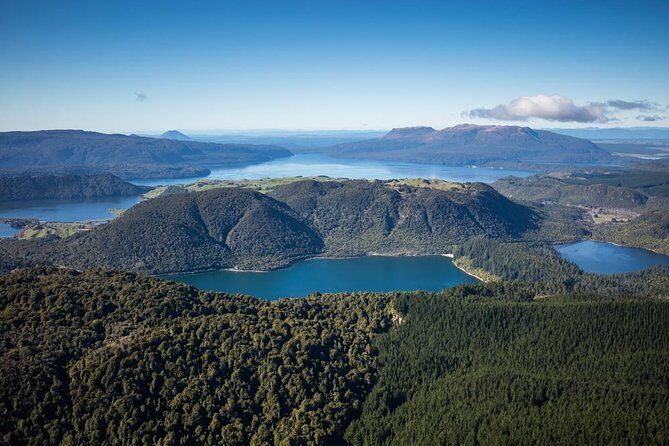
- A route that hits multiple lakes and geothermal areas on one loop
- Weather matters, so your departure may shift or be rescheduled
15 minutes over crater lakes: what you’re really buying
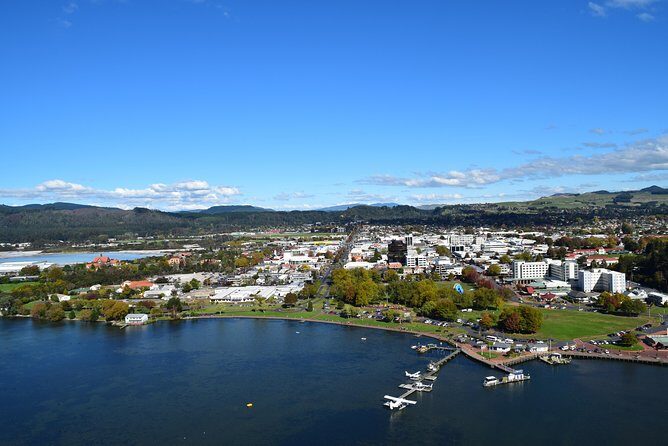
You’re paying for a fast ticket to a view you can’t easily get any other way in Rotorua: a top-down look at the lakes formed and shaped by the volcanic forces beneath this region. In 15 minutes, you’ll see a lot of the area in one connected route, rather than bouncing between viewpoints on the ground.
At $155.76 per person, it’s not the cheapest thing you can do in Rotorua. But you’re also not buying “time in a seat.” You’re buying perspective—how crater-lake edges, water colors, and geothermal zones relate to each other—plus professional narration while you fly.
The schedule also helps value. You can choose a flight in the morning, midday, or early afternoon, so you can often match it to the rest of your day without turning your itinerary into a puzzle.
You can also read our reviews of more tours and experiences in Rotorua.

Getting to the Rotorua lakefront start point without stress
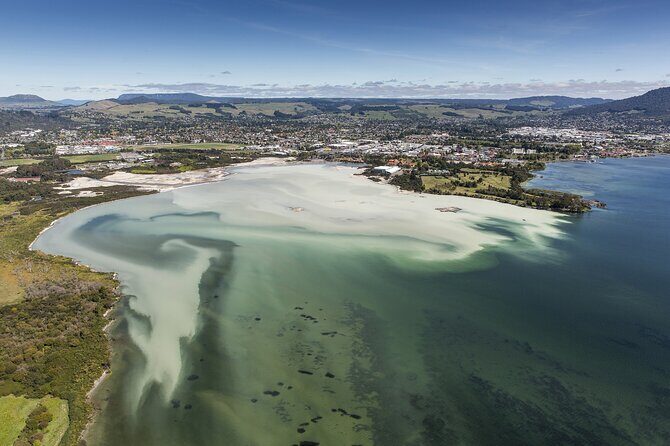
Your flight departs from Lakefront Drive, Ohinemutu, Rotorua (3010), and it ends back at the same meeting point. That’s useful because you’re not dealing with long transfers from a hotel or navigating a complicated drop-off system.
The location is also described as near public transportation, which matters if you’re not using a car. If you’re building a day around the flight, I’d plan to arrive early enough to settle in—because with short tours, small delays can feel bigger.
You’ll also get a mobile ticket, which keeps things simple. Just make sure your phone battery is happy on the day, since that’s what you’ll rely on.
Floatplane basics: headsets, small groups, and what that means for you
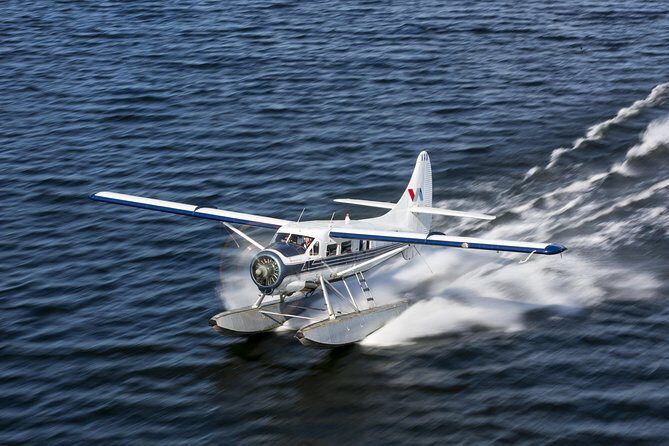
This isn’t a huge aircraft experience. The tour runs with a maximum of 10 travelers, which changes the vibe fast. With fewer people onboard, it’s easier to hear the pilot-guide and easier for the crew to manage the flight smoothly.
One of the best features here is the use of personal headsets. The pilot-guide is there to talk through what you’re seeing, and the headsets are meant to keep that commentary clear. If you’ve ever been on a sightseeing flight where the audio is muffled, you’ll appreciate this setup.
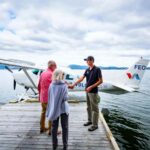
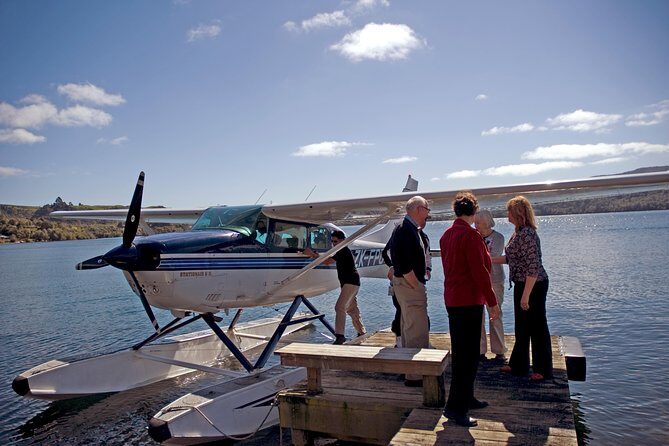
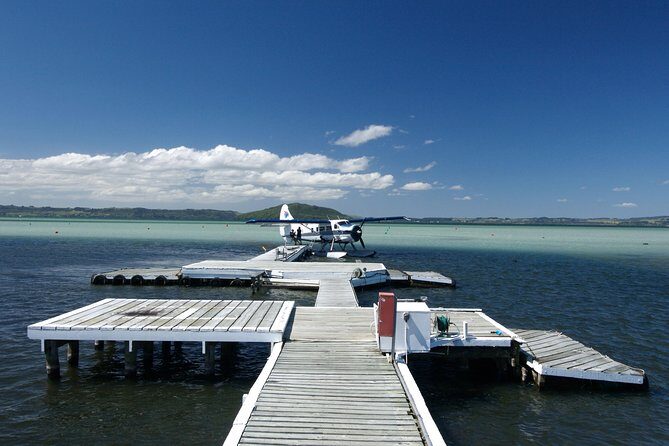
Also, this is a floatplane. That means you’re not just looking out of a normal window—you’re starting from the lakefront and taking off from the water. For many people, that’s part of the fun even before you see anything airborne.
The flight path: Mokoia Island to Okataina, Okaraka, Blue Lake, and Green Lake

The route starts with takeoff from the Rotorua lakefront and then moves over Mokoia Island. From the air, islands can give you immediate orientation—what’s separate, what’s connected, and how the lake system sits across the volcanic terrain.
Next comes the chain of crater lakes:
- Lake Okataina
- Lake Okaraka
- Blue Lake
- Green Lake
Seeing multiple lakes in one loop is where this flight really earns its keep. On the ground, you might visit one lake or a viewpoint near another. From above, the connections become obvious: shorelines, colors, and how the terrain changes between basins.
Blue Lake and Green Lake are especially interesting from the air because they can look distinct in both shape and color from different angles. I’d treat those as your “look closely” moments. Even if you don’t know the geology ahead of time, your pilot-guide can help you read what you’re seeing in the moment.
One practical tip: spend the first minute or two simply watching. Then start listening for how your pilot-guide explains what created or influenced the lakes and surrounding features. The flight is short, so switching from “wow mode” to “learn mode” quickly helps you get more out of the commentary.
Returning over Whakarewarewa forest and Sulphur Bay
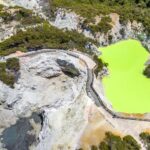
After the lakes, the flight heads back over Whakarewarewa forest and Sulphur Bay. This part matters because it adds contrast. You’re not only looking at water and shorelines—you’re also seeing geothermal country and the way vegetation and ground features fit into the same volcanic region.
Sulphur Bay is the clue that the geothermal story isn’t just a background idea here. From the air, geothermal features are often easier to spot as patterns—where activity has shaped the ground and where changes stand out visually. Your pilot-guide’s commentary is designed to tie those observations together so you leave with more than just pretty pictures.
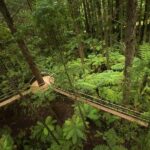
Whakarewarewa forest also helps you understand scale. From above, forests and lake edges show how the region is layered. It’s a reminder that Rotorua’s geothermal activity isn’t isolated—it’s part of a broader physical system.




Why the pilot-guide and headsets matter more than you think
Most short flights can become a blur: you look around, you take photos, you land. What makes this experience more satisfying is that the pilot-guide is actively explaining what you’re seeing, and the personal headsets keep that information usable.
Think of it like this: the air gives you the “what.” The narration helps you understand the “why.” That’s a big deal when you’re only in the sky for about 15 minutes. If you want to get value from the time, you want the guide talking the right points at the right moments, not just sightseeing commentary.
I’d also pay attention to the rhythm of the flight. Early on, you’ll likely get orientation—where you are and what you’ll see next. Then the explanations can connect to the lakes and geothermal features as the plane passes over them. Your best strategy is simple: listen first, look second, then look again while the guide repeats or reinforces key details.
Weather and scheduling: the reality of a good flight day
This experience is subject to favorable weather conditions. If it’s canceled due to poor weather, you’ll be offered an alternative date or a full refund.
That doesn’t mean it’s a gamble. It means you should treat the flight like a weather-dependent activity rather than something you build your whole day around with no flexibility. If you can schedule it when you have a bit of buffer time before or after, you’ll feel less stress.
There’s also a possibility of cancellation after confirmation if there aren’t enough passengers to meet requirements. In plain terms: it’s a small-group operation, so it needs a minimum number of people to run as scheduled.
What to expect on board (and how to get better views)
The tour is set up for short, focused aerial viewing. That’s why the group size is limited and the headset system exists. With only about 15 minutes in the air, you’ll want to be ready to look quickly, not spend time figuring out what’s happening.
Photo note: with any flight, windows and reflections can affect shots. I’d keep my expectations realistic and aim for photos as a bonus, not the main goal. The best payoff here is understanding the geography in motion—how lake shapes and geothermal areas connect as the plane flies the loop.
Also, because the flight is narrated, you’ll likely know what to watch for as you go. When the pilot-guide points out the next lake or geothermal zone, use that cue to switch from camera to observation.
Who this floatplane hop fits best
This is a strong fit if you want:
- A quick “see the crater lakes from above” experience without spending hours in transit.
- Clear narration using personal headsets.
- A smaller, more personal tour format (maximum of 10 travelers).
It’s also a good choice for people who like planning around daylight. Since you can pick morning, midday, or early afternoon, you can match the flight to the lighting conditions you prefer.
Who should think twice? If you’re the type who wants a long, unhurried sightseeing session, this may feel too short. Fifteen minutes goes fast. Even with excellent views, this is best viewed as a concentrated taste, not a full exploration.
Price and logistics: is $155.76 actually good value?
Here’s how I’d judge the value. You’re paying $155.76 for:
- A professional pilot-guide in the cockpit area (with explanation)
- Personal headsets for clear audio
- A multi-lake route flown in a short loop
- A floatplane ride experience from the Rotorua lakefront
On a per-minute basis, it looks expensive. But you’re also paying for access to the air—and the ability to see how the lakes and geothermal areas relate from a single viewpoint moving overhead. Ground-based Rotorua sights often require multiple stops to build that same picture. This flight compresses that “big picture” into one short segment.
Another value factor: the small group size. When you’re paying for guided interpretation, it helps when the group is tight enough for the experience to feel intentional.
If you treat it like a scenic upgrade to your Rotorua day—rather than a substitute for everything else—you’ll probably feel the price makes sense.
Should you book Volcanic Air’s 15-minute crater lakes flight?
If you’re excited by aerial views and you want an efficient way to understand Rotorua’s volcanic lake system, I’d book it. The combination of headset narration, a small-group maximum of 10, and a route that links multiple lakes with geothermal areas is exactly what makes this short flight worth your time.
Book it with one mindset: 15 minutes is short on purpose. You’ll get a strong highlight circuit—Mokoia Island, Lake Okataina, Lake Okaraka, Blue Lake, Green Lake, then back over forest and Sulphur Bay—but you won’t be lingering over any single spot.
If you can handle that, you’ll probably love the payoff: a clear, guided aerial “map” of Rotorua you can’t get any other way.
FAQ
FAQ
How long is the crater lakes flight?
It’s about 15 minutes in the air.
How much does the flight cost?
The price is listed as $155.76 per person.
What’s included in the tour?
You get a professional pilot-guide and personal headsets to hear the commentary clearly.
What isn’t included?
Food and drinks aren’t included, and there’s no hotel pickup or drop-off.
Where does the flight start and end?
It starts at Lakefront Drive, Ohinemutu, Rotorua 3010, and ends back at the same meeting point.
How many people are in the group?
The maximum group size is 10 travelers.
Do I get different departure times?
Yes. Flights are available in the morning, midday, or early afternoon.
What should I do if the weather is bad?
If it’s canceled due to poor weather, you’ll be offered an alternative date or a full refund.
When will I receive confirmation after booking?
Confirmation is received within 48 hours of booking, subject to availability.
Is there free cancellation?
Yes. You can cancel up to 24 hours in advance for a full refund.