REVIEW · ROTORUA
Buried Village of Te Wairoa
Book on Viator →Operated by Buried Village · Bookable on Viator
History rises from the ash here. At the Buried Village of Te Wairoa, I love the interactive museum that explains the Mt Tarawera eruption, and I love the Waterfall Trail that ends at Wairere Falls. One heads-up: part of the visit is self-led, so you may want to catch the scheduled talks and tours or you could find it a bit tougher to picture what was buried.
This is an easy add-on from Rotorua—about a 15-minute drive—and it works well on a half-day. Expect about 1.5 hours for the full experience if you move at a steady pace, including museum time, the archaeological area, and the walk to the falls.
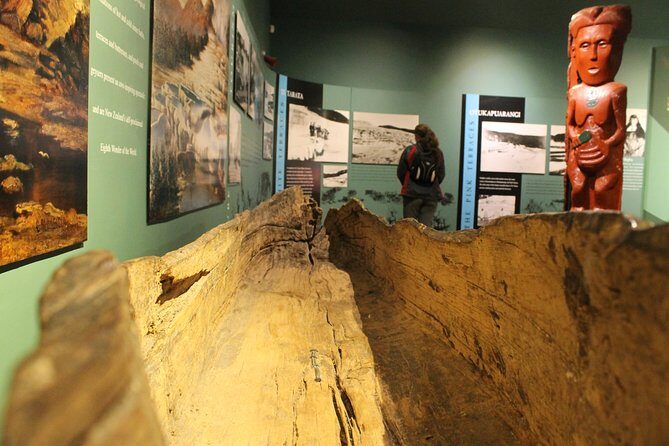
What makes the site hit you in the right way is how it connects geology to people. You get museum exhibits about the Pink and White Terraces, storytelling that explains what happened to the village, and small moments like a children’s treasure hunt and a mention of letters from a woman named Margaret that bring the era to life.
In This Review
- Key things to know before you go
- Te Wairoa’s Ash-Era Story: Where Rotorua’s Geothermal Power Turns Human
- What You Really Get for $16.55: Museum + Guided Elements + Walks
- Museum of Te Wairoa: Start Here So the Site Makes Sense
- The Archaeological Site Tour: Geothermal Features and Life Before Burial
- Waterfall Trail to Wairere Falls: The Walk That’s Worth Working For
- Planning Your Time: When to Arrive and How Long to Stay
- Weather, Clothing, and Footwear: Rotorua-Style Weather Means Be Ready
- Family-Friendly Features: Treasure Hunt Clues and Guided Storytelling
- Small Details That Add Meaning (and Comfort)
- Who This Visit Suits Best—and Who Should Adjust Expectations
- Should You Book Buried Village of Te Wairoa?
- FAQ
- How long should I plan for the Buried Village of Te Wairoa?
- What’s included with admission?
- Where is the meeting point?
- What are the opening hours?
- Is the experience mostly indoor or outdoor?
- Is it suitable to visit in bad weather?
Key things to know before you go
- Mt Tarawera eruption exhibits that explain what happened in 1886 and why Te Wairoa changed forever
- Wairere Falls (30 meters / 98 feet) reached via an optional trail with stairs and real-time spray
- Guided group tours plus audio/video scheduled throughout the day, so timing matters
- Letters from Margaret help you connect the disaster to daily life and loss
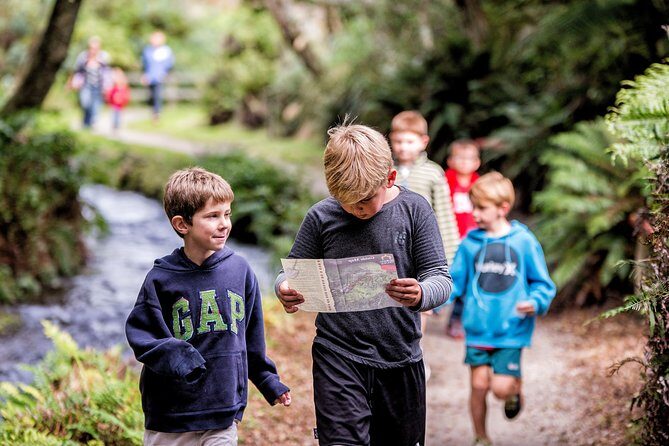
- Waterfall Trail clue map for kids, turning the visit into a hunt
- Flat, paved paths with an optional steeper section, so you can scale the effort
Te Wairoa’s Ash-Era Story: Where Rotorua’s Geothermal Power Turns Human
Rotorua is famous for steam and springs, but Te Wairoa gives you the other side of that power: sudden, deadly change. The Buried Village of Te Wairoa focuses on the 1886 Mt Tarawera eruption, when a major geothermal landmark—the Pink and White Terraces—was wiped out and many lives were lost.
The best part is that the experience doesn’t keep things abstract. You’re not just shown facts about volcanoes; you’re guided through a site where the ground itself tells the timeline. You see the result of burial and destruction, then you move through the area that still feels connected to that past, including viewpoints over Lake Tarawera and the run to Wairere Falls.
You can also read our reviews of more tours and experiences in Rotorua.

What You Really Get for $16.55: Museum + Guided Elements + Walks
At $16.55 per person, this ticket is good value because it bundles several experiences into one place. You’re not paying just for a museum room. Admission includes access to the museum exhibits about Mt Tarawera, plus a guided component that explains geothermal features and the story of how Maori inhabitants and early settlers lived in the village before it was devastated.
On top of that, the ticket keeps you active. You can explore the village archaeology area and also walk the Waterfall Trail to Wairere Falls. Even if you’re short on time, you can still do a meaningful visit, since the entire experience is designed to run from about 45 minutes to around 2 hours depending on how much you slow down.
One small practical note: the site runs on scheduled talks and guided group tours during the day, but you can arrive at any time and stay as long as you like. That means you’ll get more out of it if you plan around those moments rather than just drifting through.
Museum of Te Wairoa: Start Here So the Site Makes Sense
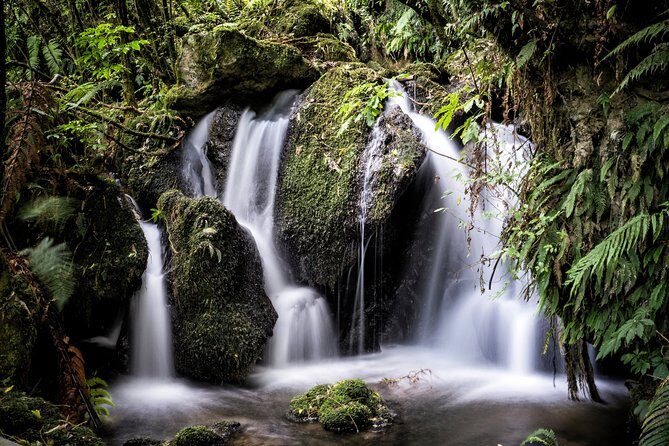
If you do one thing first, make it the museum. This is where the big story gets organized: the Mt Tarawera eruption of 1886, the fate of the Pink and White Terraces, and what the area looked like before the village was buried.
The museum approach matters. Without a base explanation, the excavated features can feel like ruins you’re staring at. With the museum background, you’re better able to connect what you see later—especially when the explanation shifts from geology to daily life.
Expect interactive exhibits, a lot of artifacts, and a clear before-and-after framing. The experience also includes audio and video elements tied to the events, so you can learn at your own pace while still getting the guided story. If you like to understand the why, not just the wow, this museum time pays off.
The Archaeological Site Tour: Geothermal Features and Life Before Burial
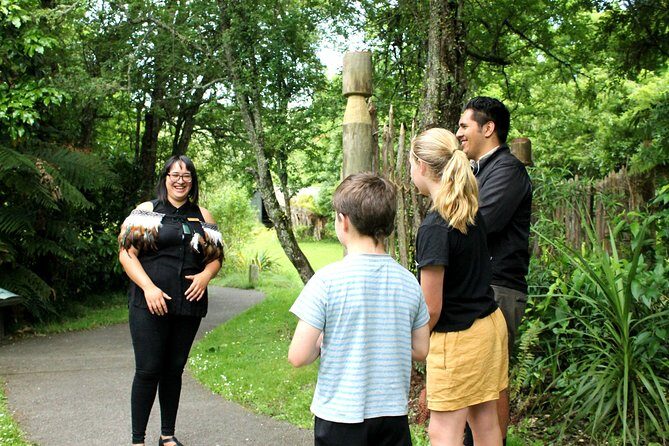
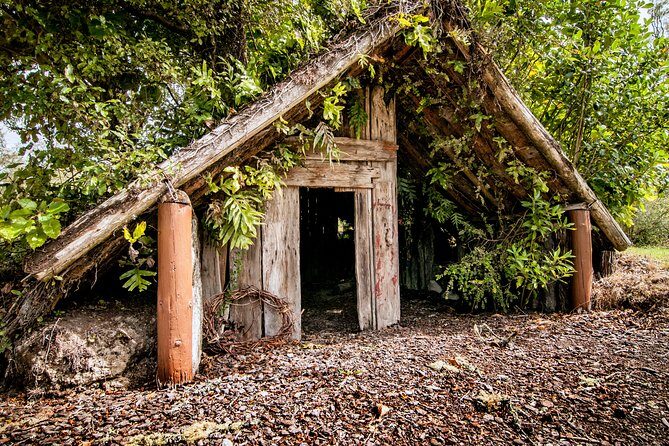
After the museum, you head into the archaeological area with guided interpretation. The key promise here is not just that you can walk around a historical site, but that you’ll get context for the geothermal setting and how people lived there.
You’ll learn about geothermal features tied to Lake Tarawera and Mt Tarawera—how the natural environment shaped daily routines—and you’ll hear about the village itself: Maori community life and the presence of early settlers. The tone is serious. You’re learning about chaos, destruction, and loss tied to the eruption.
One detail that can make this part of the visit memorable is the use of living history storytelling. Talks and group tours are scheduled throughout the day, and costumed guides appear as part of that program. The goal is to help you visualize how the village worked and how the eruption changed everything in a matter of moments.
Waterfall Trail to Wairere Falls: The Walk That’s Worth Working For
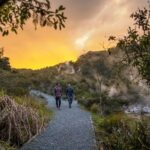
If you only have energy for one active piece of the day, choose the Waterfall Trail. The trail leads to Wairere Falls, where water drops about 30 meters (98 feet) into the valley. The payoff is real spray and a dramatic sense of power that pairs well with what you learned about the region’s geothermal energy.
Here’s the practical truth: much of the site is flat and paved, but the optional waterfall trail has several flights of stairs. So you’ll want solid walking shoes and a willingness to climb a bit.
I like that the trail experience gives you more than a viewpoint. You don’t just look at the falls—you stand in the action. If you’re the type who likes a scenic finish, this is the part that often makes the ticket feel like a bargain.




Planning Your Time: When to Arrive and How Long to Stay
This is one of those Rotorua attractions where your visit length depends on how you move. Plan on at least 1.5 hours if you want museum time, the archaeological stops, and the walk to Wairere Falls. If you’re rushing, you might compress it closer to the lower end of the range, but you’ll likely skip the best connections between sections.
The site runs Wednesday through Sunday from 10:00 AM to 4:00 PM. You can arrive at any time during open hours and stay as long as you like, so treat it like a choose-your-own pace day.
Also keep in mind group size: the maximum is 150 travelers. It’s not a tiny private visit, but it’s not so packed that you’ll feel trapped. The bigger factor is whether you catch the guided tours and talks when they’re happening. If you’re there during a quieter gap, you may experience more self-guided time—still fine, but you’ll want to lean on audio/video interpretation.
Weather, Clothing, and Footwear: Rotorua-Style Weather Means Be Ready

The attraction operates in all weather conditions, so you need to treat it as an outdoor walk plus indoor learning. Bring protection from wind and rain, especially if you plan to do the waterfall trail.
Practical items that make a difference:
- Walking shoes with grip (especially if it’s wet)
- Hat and sunscreen for sunny breaks
- Raincoat or umbrella since conditions can change quickly
Paths are generally flat and paved, but the optional Waterfall Trail climbs with stairs. If stairs are a concern, you can still enjoy the museum and easier parts of the grounds and choose whether the climb feels worth it that day.
Family-Friendly Features: Treasure Hunt Clues and Guided Storytelling
This is surprisingly good with kids because the visit includes a clue hunt using a special guide map tied to the excavated sites. That turns what could feel like “looking at old stuff” into a scavenger-style activity.
Families also seem to appreciate how the site explains something heavy without making it confusing. The mix of exhibits, audio/video, and scheduled talks gives adults a way to understand the big story, while kids have a job to do along the trail.
If you’re traveling with younger visitors, I’d prioritize the museum first so the eruption story lands clearly, then let kids work the clues as you move through the archaeology area.
Small Details That Add Meaning (and Comfort)
A few touches can make the visit feel more human and less like a rushed stop.
You’ll find a gift shop on-site. It’s also where you can pick up souvenirs and photo options. Then there’s Vi’s Teahouse, which serves scones with tea or coffee. It’s an easy, low-effort way to add a snack break without leaving the area.
A standout detail from the storytelling side is the inclusion of letters from a woman named Margaret, written by a guest at the village during that time. That kind of personal writing helps the eruption story feel less like a textbook and more like real people living through something unimaginable.
If you’ve spent time in Rotorua already, I also like how the grounds can feel calm while you learn. It’s not just dramatic history; it can also feel like a quiet walk through geothermal country.
Who This Visit Suits Best—and Who Should Adjust Expectations
This works well if you want a focused history-and-nature experience in Rotorua. It’s especially good for:
- People who like geology explained in plain language
- Anyone who wants to connect the Pink and White Terraces story to a living place and its people
- Families who want an activity path (not just museum time)
- Visitors who enjoy an outdoor payoff at the end, since Wairere Falls is the big scenic finish
It may not fit as well if you strongly prefer fully guided storytelling the entire time. Some visitors can find the museum lively but the rest of the experience more self-led, so you’ll get the most from it by timing your visit around included talks and group tours.
If you’re on the fence, treat the waterfall trail as the decision point. Even when you’re moving at your own pace, the stairs and the falls give you a strong reason to stay for the full experience.
Should You Book Buried Village of Te Wairoa?
Yes—if you like learning something real while also getting a rewarding walk. For $16.55, you’re getting museum exhibits about one of New Zealand’s most famous disasters, scheduled guided interpretation about the village and geothermal setting, and a Waterfall Trail finish at Wairere Falls.
You should especially book if you’re curious about Mt Tarawera and want the Pink and White Terraces story tied to people’s lives, not just a location on a map. If you dislike partial self-guided formats, plan to arrive with enough time to catch the scheduled talks and tours, and don’t skip the stairs if your body can handle them—you’ll likely feel it was worth the climb.
FAQ
How long should I plan for the Buried Village of Te Wairoa?
Plan on at least about 1.5 hours to get the full experience, including museum time, the archaeological area, and the Waterfall Trail to Wairere Falls.
What’s included with admission?
Admission includes access to the museum, exhibits about the 1886 Mt Tarawera eruption, and guided components that explain geothermal features and the fate of the village. It also includes the Waterfall Trail walk to Wairere Falls.
Where is the meeting point?
The meeting point is 1180 Tarawera Road, Lake Tarawera, Rotorua 3076, New Zealand. The activity ends back at the same meeting point.
What are the opening hours?
From April 1, 2025 to March 31, 2026, it runs Wednesday through Sunday from 10:00 AM to 4:00 PM.
Is the experience mostly indoor or outdoor?
It’s a mix. You’ll spend time in the museum, then you’ll walk the site grounds and (if you choose) the Waterfall Trail to Wairere Falls outdoors.
Is it suitable to visit in bad weather?
Yes. The attraction operates in all weather conditions, so you should dress for rain and bring walking shoes.