REVIEW · ROTORUA
Rotorua Cultural Small Group Afternoon Tour
Book on Viator →Operated by Elite Adventures · Bookable on Viator
Te Puia can feel like science and story at once. This small-group afternoon tour pairs a guided visit to Māori cultural sites with up-close geothermal action, including the Pohutu geyser and a stop at the Kiwi House. I especially like the mix of traditional crafts (carving and weaving) with the way local guides explain how culture is kept alive today. One thing to consider: food is not included, so you’ll want a plan for a snack before or after.
You’ll also get hassle-free pickup from your Rotorua accommodation, then relax on an air-conditioned minivan while the tour moves between sites. My other big draw is that your Māori hosts at Rotowhio Marae get real about history, customs, and daily life, not just performance. The only possible letdown is timing: if you’re hoping for lots of extra free time in each spot, this is a tightly scheduled afternoon.
In This Review
- Key things I’d zero in on
- Why Te Puia works so well in an afternoon
- Getting picked up and settled in a small-group minivan
- Rotowhio Marae: crafts, customs, and how culture stays alive
- Kiwi House: seeing New Zealand’s national bird up close
- Te Puia geothermal valley: mud pools, steam vents, and real scale
- The Pohutu Geyser eruption: the 30-meter show
- Rotorua city drive and Government Gardens by the lake
- Volcanic lake photo stops: Blue Lake, Green Lake, and Okareka
- Price and value: is $111.70 a smart trade?
- Who this tour suits best (and who should choose something else)
- Quick practical advice so your afternoon goes smoothly
- Should you book Rotorua Cultural Small Group Afternoon Tour at Te Puia?
- FAQ
- How long is the Rotorua Cultural Small Group Afternoon Tour?
- What time does the tour start?
- Is pickup from my accommodation included?
- What does the tour include?
- Is food or drinks included?
- How many people are in the group?
- Do I need good walking shoes?
- What is the fitness level required?
- Where does the tour begin and end?
- What main attractions will I see?
Key things I’d zero in on
- Small group (max 15) keeps the tour personal without feeling like you’re on a private safari bus.
- Rotowhio Marae crafts: wood-carving studio, craft gallery, and a flax-weaving display.
- Kiwi House for a look at nocturnal birds in their enclosure.
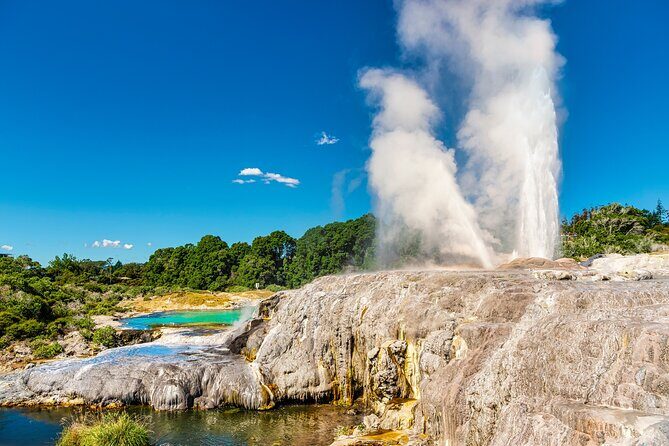
- Pohutu Geyser: the largest active geyser in the southern hemisphere, reaching about 30 meters (100 feet).
- Geothermal valley walk-through along mud pools and steam vents with live guiding.
- Volcanic lake photo stops including Lake Tikitapu (Blue Lake) and Lake Rotokakahi (Green Lake).
Why Te Puia works so well in an afternoon
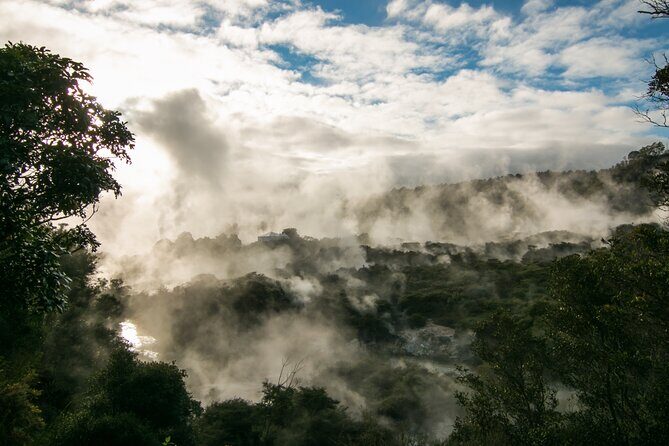
Rotorua can swallow a whole day with attractions that are easy to bounce through. This tour is built for the opposite: a focused afternoon that hits the highest-impact parts of Te Puia and ties them back to Māori culture.
You start around 1:00 pm from the Rydges Rotorua area (with pickup available from your accommodation), and it runs about 3 to 4 hours. That time window matters. You get the big sights without feeling like you’re rushing across town until dark, and you still have time for an early dinner and a hot drink afterward.
The best part is how the day is organized around meaning, not just wow-factor. Geothermal features are explained, crafts are demonstrated, and you’re given context for what you’re seeing—how these places relate to Māori life and how traditions are preserved and practiced now, not only remembered.
You can also read our reviews of more tours and experiences in Rotorua.

Getting picked up and settled in a small-group minivan
Logistics sound boring until they save your vacation. Here, pickup is part of the deal, and that’s a real win in Rotorua, where parking can be annoying and distances are short but time adds up.
You’ll travel by air-conditioned minivan with live commentary, and the group stays under 15 people. That size is big enough to meet other travelers, but small enough that your guide can actually keep track of the room—where people are standing, what questions are coming up, and when it’s time to move.
I also like the structure of having transport handled end-to-end. You’re not trying to coordinate multiple entrances, parking lots, and separate tickets. Instead, you’re at the right place, at the right time, and you can focus on the content.
Rotowhio Marae: crafts, customs, and how culture stays alive
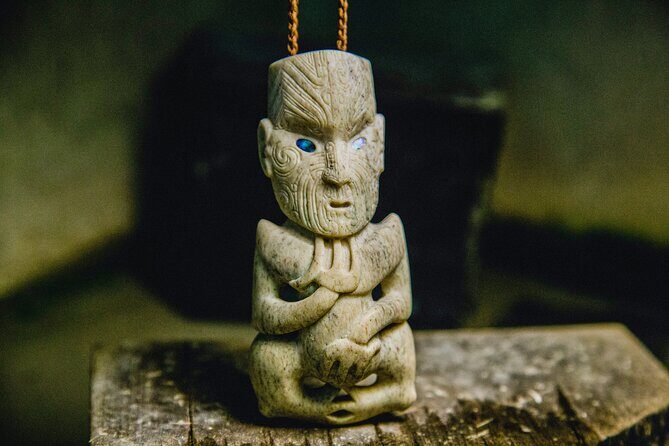
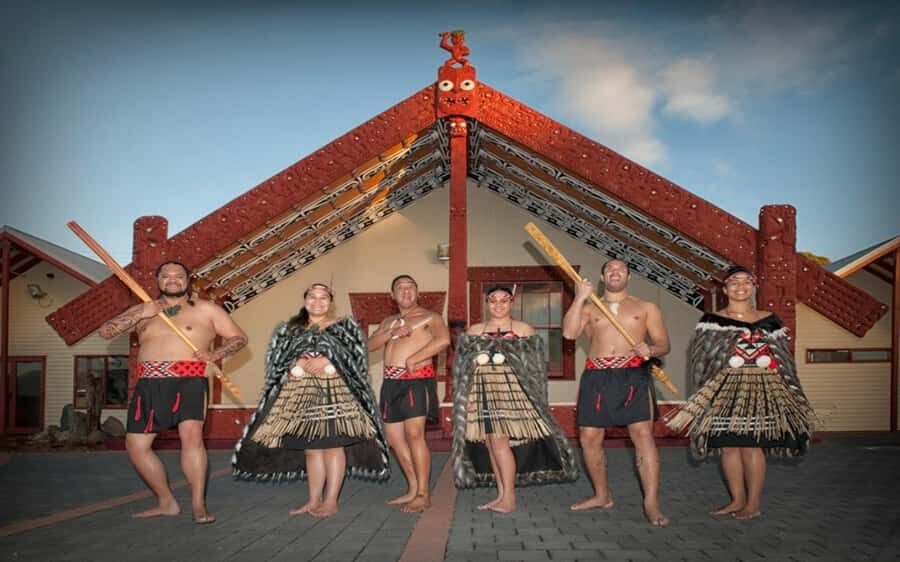
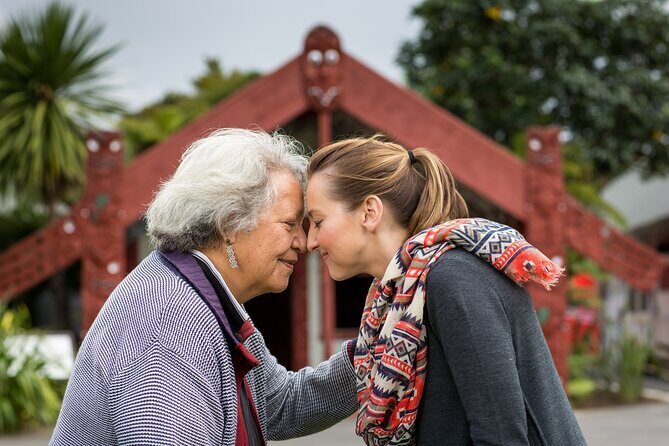
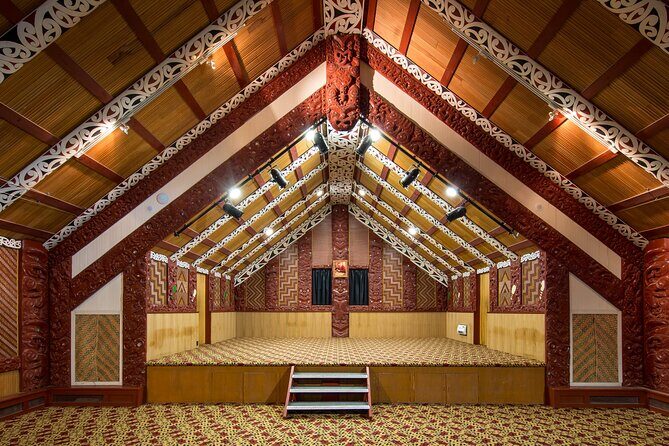
The tour’s cultural anchor is a visit to Rotowhio Marae, where you’ll meet Māori hosts and get hands-on context for traditions in New Zealand. You’re not just watching from afar—you’re guided through spaces that connect crafts, community, and everyday knowledge.
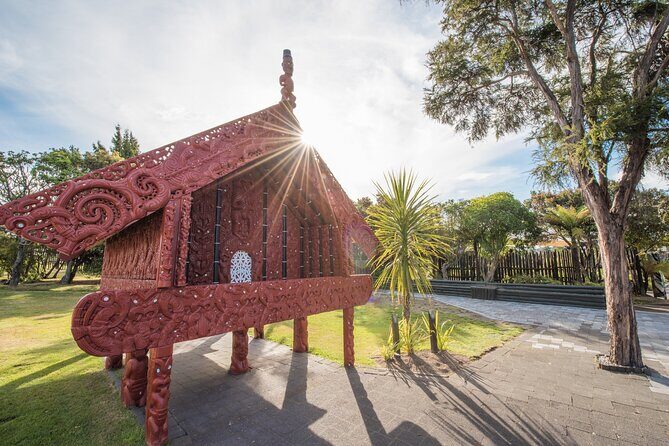
Expect a walk past a wood-carving studio, a craft gallery, and a flax-weaving display. These stops are a perfect match for an afternoon tour because they’re visual and interactive. You can ask questions, look closely, and actually see the effort behind the finished work.
The explanation is what makes it stick. You’re guided through Māori history and traditional customs, and you also get the important modern angle: how cultural practice is preserved using modern techniques and technology. That matters because it avoids the museum-only vibe. Culture isn’t just something that happened in the past; it’s something people keep doing, adapting, and teaching.
Kiwi House: seeing New Zealand’s national bird up close
After the crafts and village context, the tour shifts gears to wildlife. You’ll visit the on-site Kiwi House, where you can learn about the national bird and see kiwis in a special enclosure.
This is especially worthwhile if you’re short on time. Many Rotorua days end up being all geothermal, all the time. A kiwi stop gives you a different kind of Rotorua experience—less steam, more biology and behavior.
One practical note: kiwi viewing can be affected by lighting and enclosure rules, so bring your patience. The payoff is seeing kiwis as creatures that live a very different schedule than ours, not just a photo on a postcard.
Te Puia geothermal valley: mud pools, steam vents, and real scale
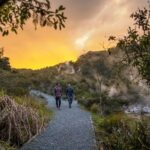
Then comes the part Rotorua is famous for: the geothermal valley at Te Puia. You’ll follow your guide past mud pools and steam vents, getting a guided sense of what geothermal activity is doing there.
This is where the live commentary pays off. Geothermal areas are easy to treat like scenery, but you’ll get a clearer explanation of how features work and why they’re so notable. The goal isn’t fear or fascination; it’s understanding the place you’re standing in.
If you’re sensitive to heat or strong smells, dress smart. Wear shoes that handle uneven ground and weather. Even on pleasant days, geothermal areas can be unpredictable underfoot.






The Pohutu Geyser eruption: the 30-meter show
The headline stop is the Pohutu Geyser, described as the largest active geyser in the southern hemisphere. You’ll get a chance to see it erupt, and the height is listed at about 30 meters (100 feet).
Watching Pohutu is a rare kind of travel moment: it’s not just big, it’s repeatable in the way living nature is repeatable. The tour is timed to include the daily eruption, so you’re not crossing your fingers or guessing.
Two tips that make a difference:
- Keep your attention on your guide’s instructions about where to stand and how to watch.
- Expect it to feel louder and more intense than photos suggest, because you’re close enough to feel the scale.
Rotorua city drive and Government Gardens by the lake
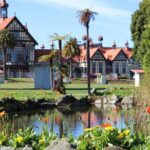
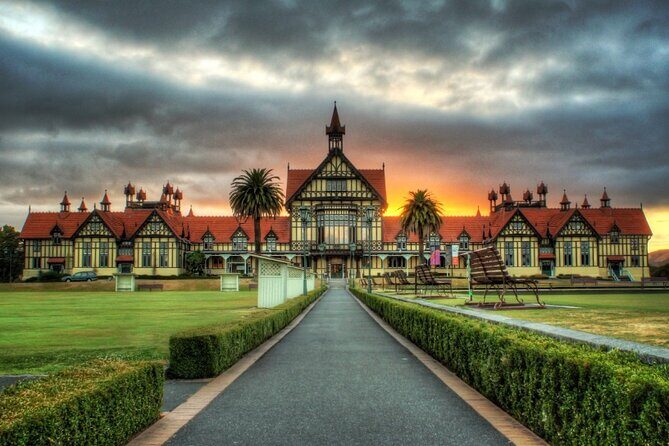
After the geothermal focus, you’ll head out for a short driving tour that includes Government Gardens, positioned on the edge of Lake Rotorua.
This kind of drive stop works as a mental reset. You go from steaming ground to open water views, and it helps you place Te Puia into the bigger Rotorua picture—city life beside geothermal power.
If you’re the type who likes learning the “why” behind geography, this is where your guide’s local storytelling helps. Even a quick drive can turn into a useful orientation of the area.
Volcanic lake photo stops: Blue Lake, Green Lake, and Okareka
The afternoon closes with photo stops at several volcanic lakes. You’ll stop for views of:
- Lake Okareka
- Lake Rotokakahi (Green Lake)
- Lake Tikitapu (Blue Lake)
You’ll also have interpretive views of Lake Tarawera.
These stops are exactly the kind of pay-off that makes the afternoon feel complete. Te Puia gives you heat and action; the lakes bring calm. Even if you don’t want to linger, you’ll likely appreciate the contrast—plus the practical photo opportunities.
The lakes also help you connect the dots. Rotorua isn’t random; it’s all part of a volcanic system, just expressed in different ways. Seeing water after steam makes the whole trip easier to understand.
Price and value: is $111.70 a smart trade?
At $111.70 per person, this tour isn’t a budget impulse buy. But you’re also not paying for just one attraction.
What you’re getting is a packaged afternoon that includes:
- Hotel pickup and drop-off
- transport in an air-conditioned minivan
- live commentary
- admission included for the Te Puia segment
- a dedicated tour escort/host at Te Puia
- a Māori-guided cultural experience plus geothermal viewing
That bundle is the real value. You don’t have to arrange multiple tickets and transit, and you’re paying for guided context (the kind you lose if you go independently).
One caution: food and drinks aren’t included. If you’re the type who gets snacky on tours, plan ahead with something small before you go or budget for food after drop-off.
Who this tour suits best (and who should choose something else)
This tour is a strong fit if you want:
- Māori culture and geothermal sights in one afternoon
- guided explanation at Te Puia, not just wandering
- small-group energy with pickup taken care of
- a kiwi viewing stop without needing to schedule extra transport
It may be less ideal if you want long, slow time in each place or you’re traveling with someone who struggles with moderate walking. The tour calls for moderate physical fitness and you should wear good walking shoes, especially since it runs in all weather conditions.
Quick practical advice so your afternoon goes smoothly
I’d plan your day around walking comfort more than intensity. You’re in open-air areas with steam and uneven ground, plus indoor viewing at the kiwi and cultural spaces.
Also:
- Dress for changing Rotorua weather. Layers help.
- Bring a light rain layer if you own one.
- Bring water even though it’s not listed as included—your comfort matters.
The tour is designed to run in all weather, so your gear is part of the experience.
Should you book Rotorua Cultural Small Group Afternoon Tour at Te Puia?
If you want the best slice of Rotorua without spending your whole day chaining attractions, I’d book it. The strongest reasons are the pairing: Māori cultural learning at Rotowhio Marae plus the Te Puia geothermal must-see of Pohutu Geyser. Add the Kiwi House and the volcanic lake photo stops, and you get variety in a clean, half-day format.
Book it especially if you care about context—how crafts connect to community and how geothermal landmarks fit into local knowledge. Choose a different option only if you’re chasing lots of extra downtime or you need food included, because that’s the one easy gap in the plan.
FAQ
How long is the Rotorua Cultural Small Group Afternoon Tour?
The tour runs about 3 to 4 hours.
What time does the tour start?
Start time is 1:00 pm.
Is pickup from my accommodation included?
Yes. The tour offers hotel pickup and drop-off in Rotorua.
What does the tour include?
It includes a driver/guide, live commentary, an escort/host at Te Puia, transport by air-conditioned minivan, and hotel pickup and drop-off. Admission for the Te Puia portion is also included.
Is food or drinks included?
No. Food and drinks are not included.
How many people are in the group?
The maximum group size is 15 travelers.
Do I need good walking shoes?
Yes. The tour involves walking and is run in all weather conditions, so you should wear good walking shoes.
What is the fitness level required?
It requires a medium level of fitness and a moderate physical fitness level.
Where does the tour begin and end?
It begins at Rydges Rotorua, 10 Tryon Street, Whakarewarewa, Rotorua, and it ends back at the meeting point.
What main attractions will I see?
You’ll visit Te Puia, the New Zealand Māori Arts and Crafts area, Rotowhio Marae, the Kiwi House, and see geothermal features including Pohutu Geyser. You’ll also have a city drive and photo stops at volcanic lakes like Lake Okareka, Lake Rotokakahi, and Lake Tikitapu.