REVIEW · ROTORUA
Rotorua: Kaituna Rafting & Mt. Tarawera Guided Hike Combo
Book on GetYourGuide →Operated by Kaitiaki Adventures · Bookable on GetYourGuide
Two icons, one day: fire and whitewater. This combo ties a guided walk into the Mt. Tarawera crater to a high-adrenaline Kaituna River rafting run with Maori stories woven in. I especially love the crater views after the 4×4 climb, and I love how the rafting is run with real safety focus while still going hard on the rapids. One possible drawback: this is a two-part day, and you’ll want to double-check your mid-day pickup timing so the handoff between the hike and the rafting doesn’t get messy.
If you like guided days that move, this works. You’re out for about 9 hours, you get hotel pickup and drop-off, and the operator handles the heavy lifting: gear, transport to the river base, and the guided crater walk. Even better, the rafting portion is aimed at both first-timers and experienced paddlers, so you’re not stuck being either bored or overwhelmed.
Fitness-wise, you don’t need to be an athlete, but you do need to be comfortable walking on a track for several hours and getting wet for rafting. If that sounds like you, you’re in the right place.
In This Review
- Key things I’d bank on before you go
- What this Rotorua combo really delivers in a single day
- Price and what you’re actually paying for
- Pickup, timing, and the one logistics snag to avoid
- Mt Tarawera: the 4×4 climb and the crater walk you’ll remember
- The crater moment: views first, then a fun run
- Okere Falls rafting base: gear up like you mean it
- Kaituna River and Tūtea Falls: 14 rapids, one big challenge
- Maori culture and Kaitiakitanga: what you should listen for
- Safety style you can feel: guides, briefings, and real equipment
- What to pack so your day feels smoother (and less miserable)
- Photo moments: how you’ll capture the best chaos
- How long is the whole day, really?
- Who should book this combo, and who should skip it
- Should you book the Rotorua rafting + Mt Tarawera combo?
- FAQ
- What is the duration of the Rotorua Kaituna Rafting and Mt Tarawera combo?
- How old do you have to be to join?
- What fitness level do I need?
- Is hotel pickup and drop-off included?
- What rafting safety gear is provided?
- Is food included?
- Do I need swimwear and a towel?
- Are there secure changing or storage options?
- Can I cancel for a full refund, and is reserve now pay later available?
Key things I’d bank on before you go
- World-famous rafting target: you’ll tackle 14 rapids and take on waterfalls along the Kaituna run, including Tūtea Falls.
- Mt Tarawera by 4×4 + guided crater walk: a rugged ride up first, then a guided crater track for big views.
- Maori culture isn’t a side note: you’ll hear stories tied to the land during both parts of the day.
- Safety and gear are handled: wetsuits, booties, life jackets, splash jackets, and fleeces are provided.
- Photo package is available: an adventure photographer captures moments you can buy after.
- Logistics need your attention: confirm pickup details for the switch between hiking and rafting.
What this Rotorua combo really delivers in a single day
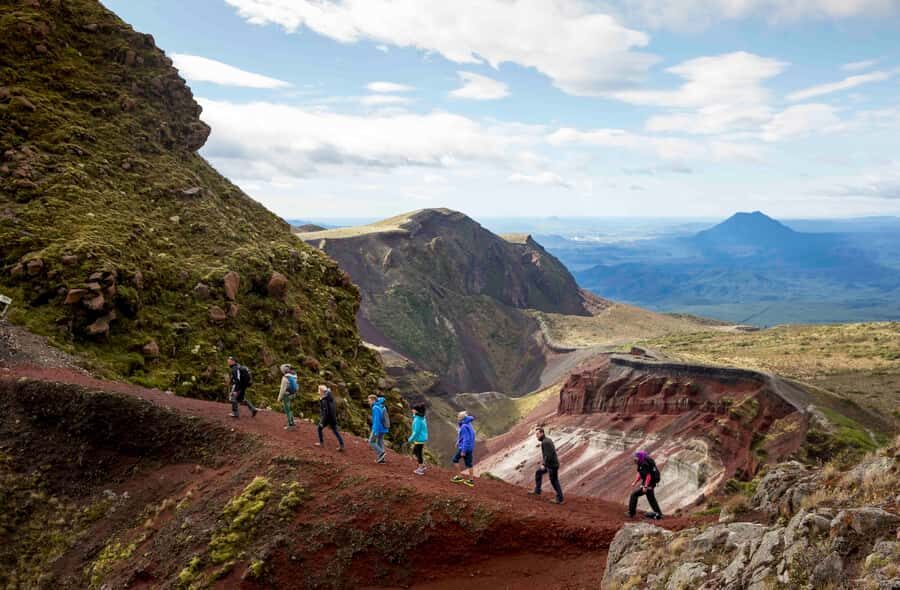
This is one of those Rotorua plans that hits two of the region’s defining experiences back-to-back. First comes Mt Tarawera, with volcanic scenery and a guided crater walk that’s designed to show you what you’re looking at. Then you switch gears to whitewater rafting on the Kaituna system, where the pace and adrenaline are very much the point.
The value here is not just “two activities.” It’s the way the day is bundled: transportation, guiding, and gear are included, which saves you the time and hassle of coordinating separately. And because the guide approach is consistent across the day, you get context for both the natural features and the cultural meaning.
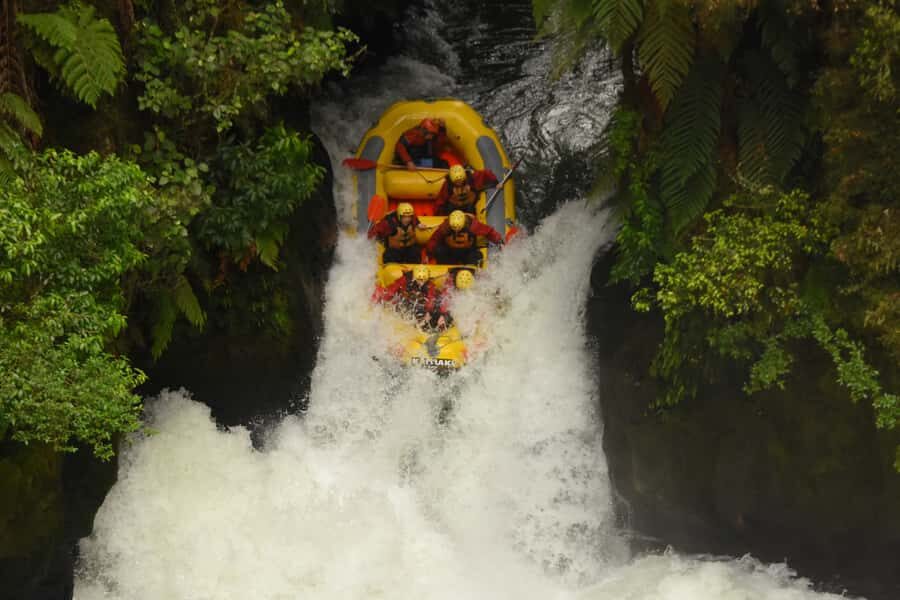
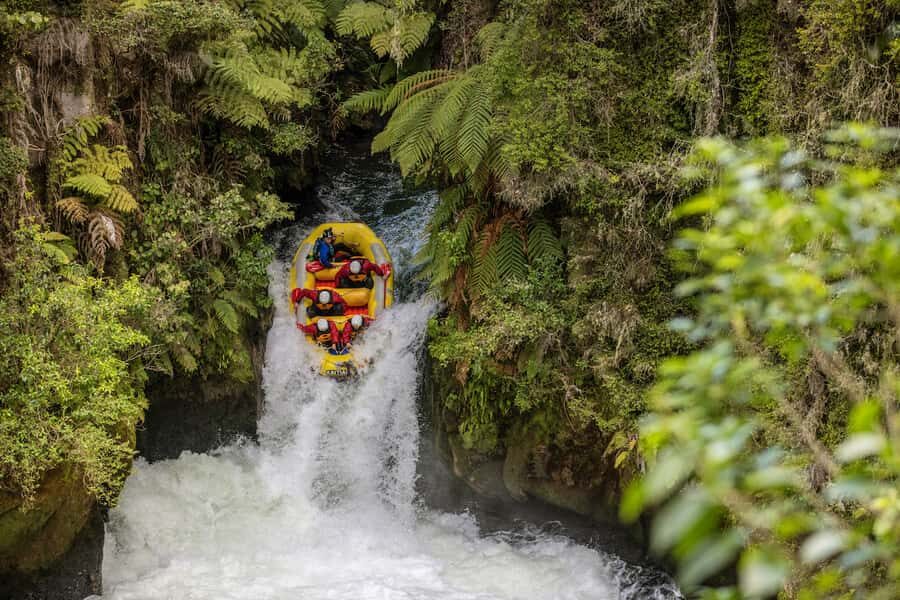
You also get a rare highlight: rafting the world’s highest commercially rafted waterfall, Tūtea Falls (about 7 meters). That’s the kind of thing you remember when you’re back home, not just when you’re taking photos.
You can also read our reviews of more guided tours in Rotorua
Price and what you’re actually paying for
At about $200 per person for roughly 9 hours, this isn’t a budget activity. But it also isn’t “just tickets.” Your cost covers:
- hotel pickup and drop-off
- courtesy transport to the rafting base
- a guided hike section (including a 90-minute crater walk)
- a 4×4 ride up Mount Tarawera
- rafting gear and safety equipment
- local Kiwi guides for both the hike and the river time
Food and drinks aren’t included, so plan to budget extra for that part of the day. Still, compared with booking separate tours (one for crater hiking, one for Kaituna rafting), the bundled transport and provided gear are where this combo starts to feel like a fair deal.
If you hate wasting hours figuring out logistics, this combo can be worth it. If you prefer slow, flexible sightseeing, you might find the day feels packed.
Pickup, timing, and the one logistics snag to avoid
This tour includes hotel pickup and drop-off, with a big list of central Rotorua pickup options. You’re also told to be ready about 30 minutes before the activity start time, which is a good rule of thumb in Rotorua anyway—roads and timing can be a little unpredictable around major attractions.
The only consistent caution is that the day runs like two separate tours stitched together: a hiking block in the morning and a rafting block later, with a switch in location and likely a switch in timing. Even when the guides are great, the handoff time can be the weak link.
My practical advice: before you head out, confirm the exact pickup point and the exact return time for the rafting portion. If you don’t get clarity when you arrive, ask the moment you meet your morning guide. A quick check in plain words prevents a long anxious wait.
Mt Tarawera: the 4×4 climb and the crater walk you’ll remember
Mt Tarawera is the “wow” part of this combo, because it’s not just a viewpoint stop. You start with an off-road ascent in a rugged 4×4 vehicle, moving through native bushland toward the mountain. There’s a brief pause at a solar-powered mountain base, which feels like a small moment of calm before the track starts.
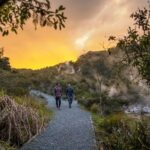
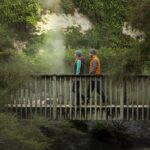
Then you head out on the guided hiking portion. You’re out on foot for about 4.5 hours total in the Mt Tarawera segment, and part of that includes a 90-minute guided crater walk. This isn’t a free-for-all hike where you wonder what you’re looking at. The guide walk is there to help you read the volcanic shapes and understand what the land is showing you.
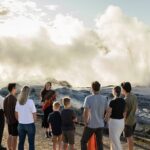
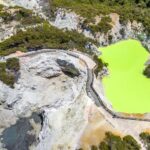
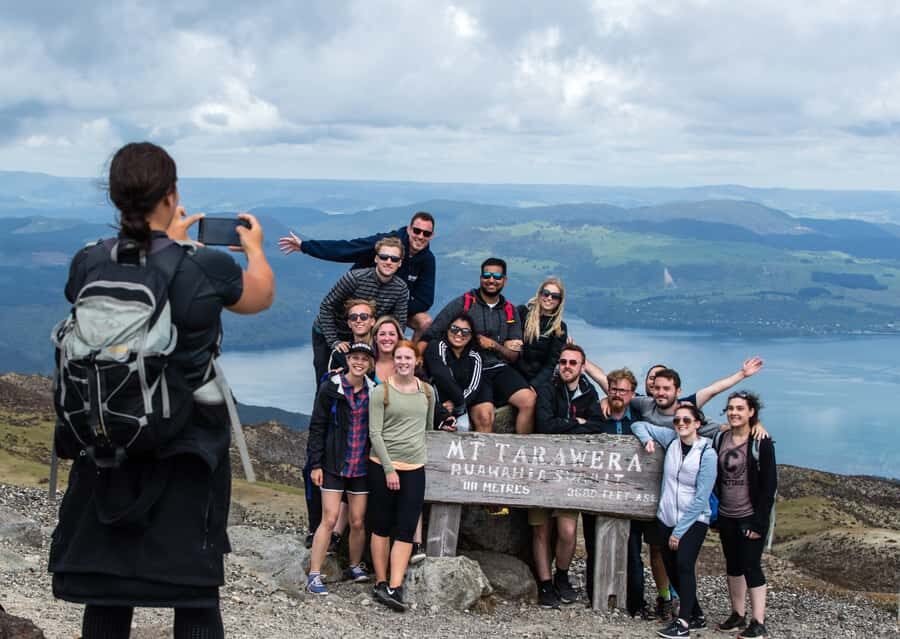
What I like about the Tarawera approach is that the effort actually pays back quickly. As you walk toward the crater, your surroundings open up into big views, including the potential for 360-degree panoramic sight lines. When you’re standing there, it’s easy to understand why the eruption stories matter so much to the people who live here.
The crater moment: views first, then a fun run
Reaching the peak comes with that “now what” feeling—big sky, big distance, and a lot happening in a small area. The day’s design builds toward an unusual payoff: a chance to descend into the volcanic crater with a quick run.
The key point for planning your mindset: this is not a slow stroll. You’ll be moving from summit views into crater terrain, so you want to keep your footing in mind and follow your guide’s instructions. Good traction shoes help here, and so does staying loose—don’t lock up just because it’s exciting.
If you’re the type who loves motion and little surprises in a hike, this crater run is one of the moments that turns a normal tour into a story you tell later.
You can also read our reviews of more hiking tours in Rotorua
Okere Falls rafting base: gear up like you mean it
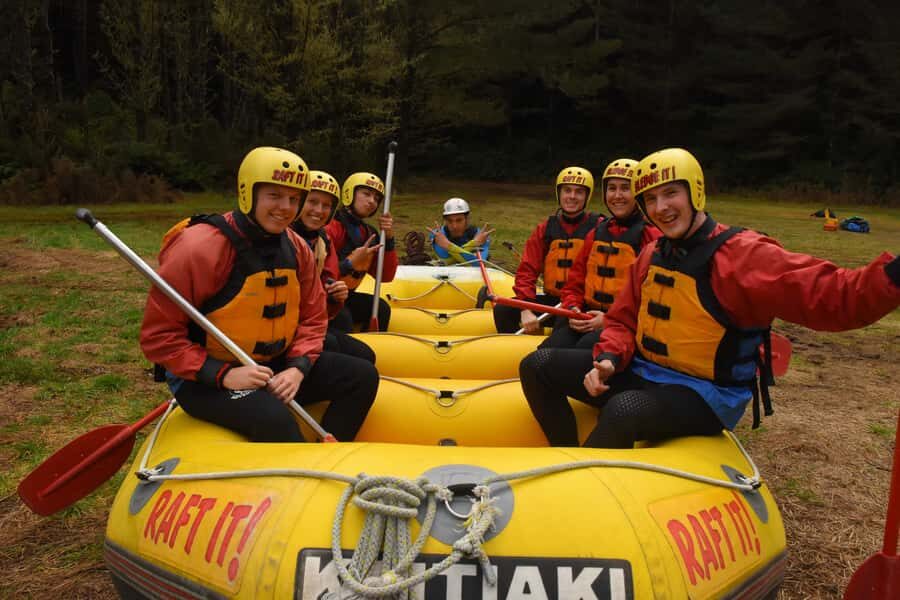
After the mountain portion, you transition to the river. The tour includes courtesy transport to the rafting base, so you’re not wrestling with driving yourself across town while carrying wet-weather nerves.
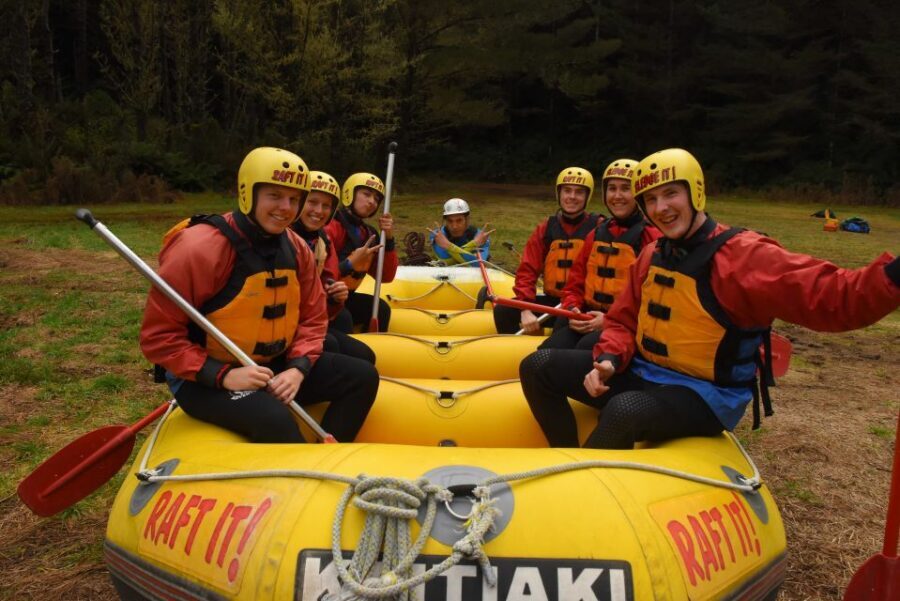
Rafting gear is provided, and that matters more than people think. You get life jackets, wetsuits, booties, splash jackets, and fleeces. Translation: even on a cool day, you’re set up to stay warm and safe, not just to look good for photos.
You’ll also change on-site, with lock boxes available for secure storage. That’s a nice touch because you’ll want your phone and valuables protected when you’re suiting up.
If you’re bringing your own snacks, this is where a small snack plan makes sense. Food and drinks aren’t included, so you’ll want something ready before you hit the river.
Kaituna River and Tūtea Falls: 14 rapids, one big challenge
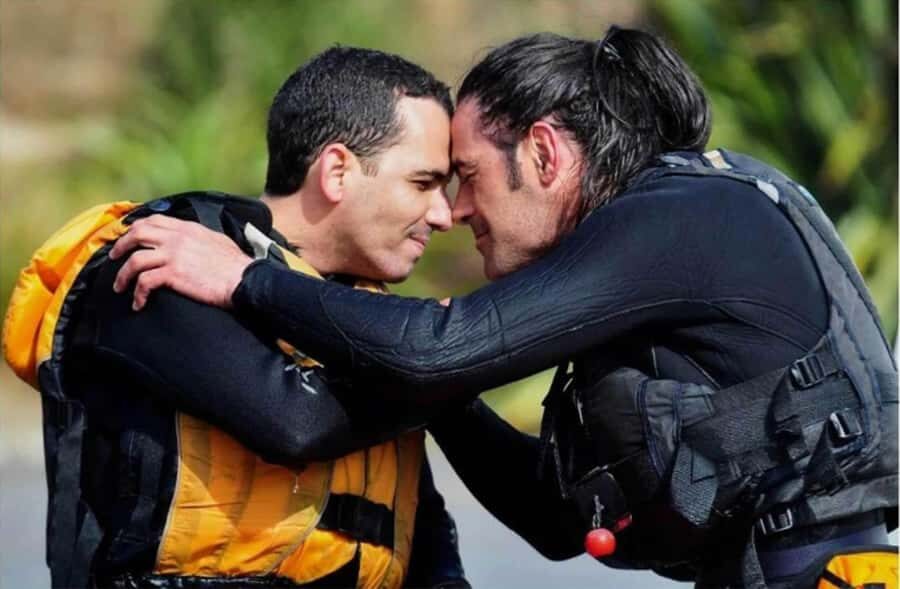
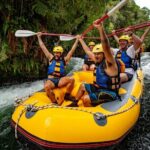
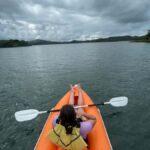
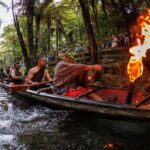
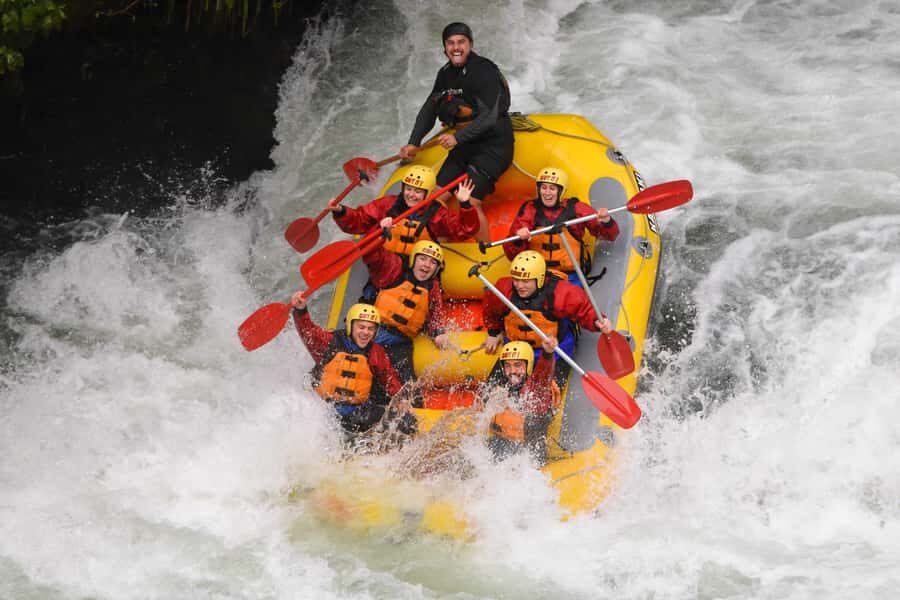
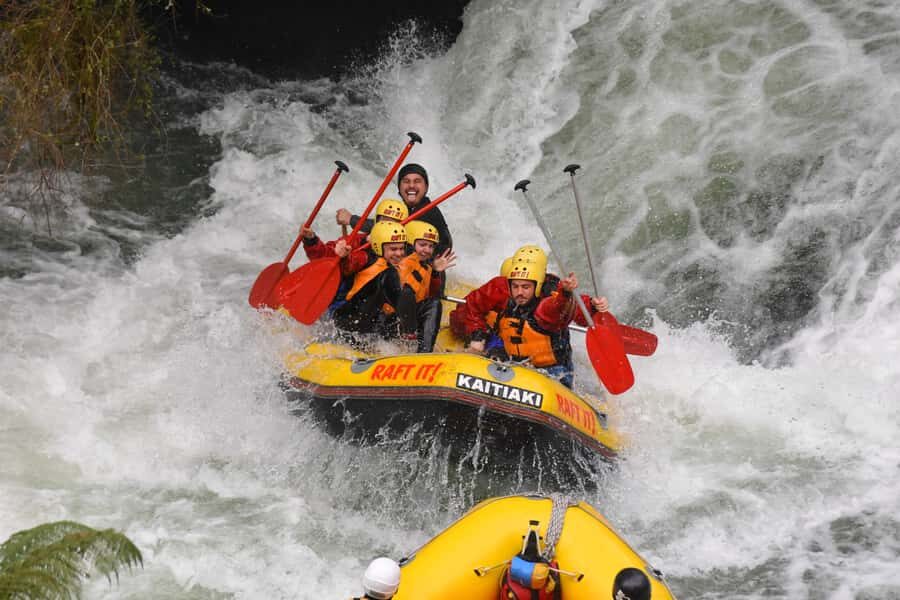
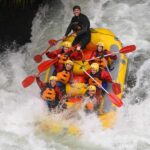
The rafting portion is built around a specific payoff: rafting the Kaituna experience with 14 rapids and three waterfalls, including Tūtea Falls, billed as the world’s highest commercially rafted waterfall (about 7 meters).
Your total rafting time is listed at a little over 2 hours, with about 1.5 hours of the overall rafting experience and roughly 1 hour on the water. That means you’re not just dropped into a river and left there. You’ll have briefing time, getting fitted and settled, and then the paddling segment.
This is where the guide quality really matters. This kind of rafting tour works when your guide keeps communication clear, makes everyone feel secure, and still pushes for the fun parts. Recent feedback includes praise for guides making people feel safe and comfortable—names like Ben, Jesse, and Caruzo show up as examples of the kind of leadership people appreciated.
Also, you don’t need to be a swimmer to enjoy the day if the safety setup is followed. One recent note specifically said you’ll be fine even if you can’t swim. Still, treat that as encouragement, not a reason to ignore the rules. Wear the flotation gear correctly and follow instructions.
Maori culture and Kaitiakitanga: what you should listen for
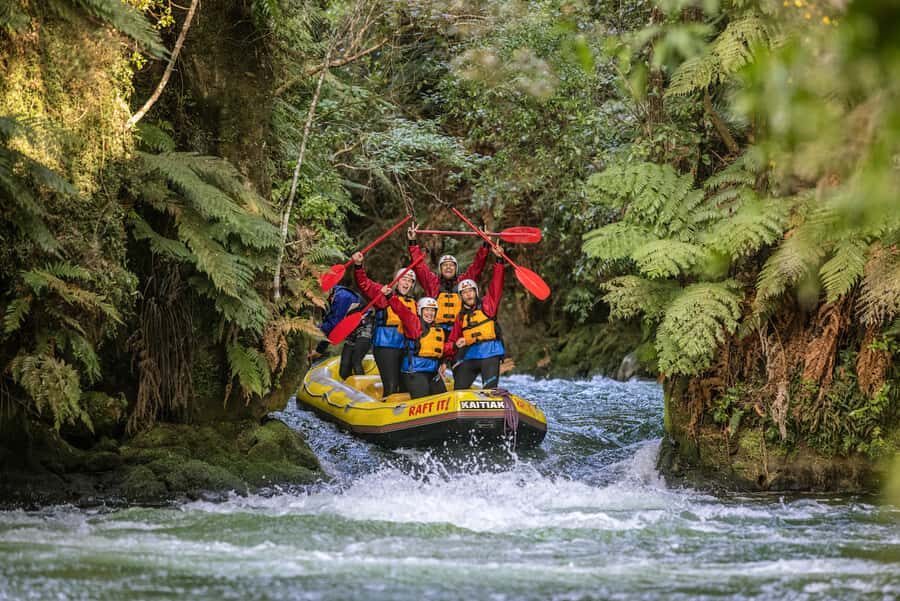
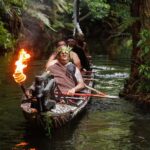
This tour isn’t only about nature acting wild. It’s also about meaning. During the rafting portion, you’ll hear the idea of kaitiakitanga, which is guardianship and protection of the land. The guide stories are meant to connect the physical features—water, rock, volcanic terrain—to why the local culture cares for them.
You’ll also get Mount Tarawera context: stories about the volcanic eruption plus local myths and legends tied to the region. That gives the crater hike a narrative layer, so you’re not just looking at a dramatic hole in the ground. You’re understanding why the land is viewed as important, alive with story, and not something separate from people’s lives.
If you’re the type who learns best when you understand the “why,” you’ll appreciate this more than someone who only wants action shots.
Safety style you can feel: guides, briefings, and real equipment
You’re in good hands when:
- the safety briefing is clear
- you understand what to do before hitting the rapids
- the right gear fits properly
Here, you’re given the full kit and safety equipment, including wetsuits and splash layers. That reduces the variables you can’t control (cool water, choppy edges, slips in and out of the raft).
I also like that the tour includes a local guide and experienced Kiwi guides. The best guides in this type of day are the ones who can switch between high-energy instruction and calm reassurance. Feedback from the day consistently points to guides going above and beyond to keep people safe and comfortable.
One more practical note: GoPros may be worn on a chest mount, but only if your guide agrees. If you plan to film, pack it, but don’t assume it’s automatically allowed.
What to pack so your day feels smoother (and less miserable)
You’ll get wet on the rafting side, and you’ll be active on the hike side. Pack to handle both.
Bring:
- comfortable shoes (for track hiking)
- swimwear and a towel (rafting portion)
- jacket (weather can shift)
- snacks
- water
Changing rooms with lock boxes are available onsite, so you can keep valuables secured. Free parking is available on site if you’re driving yourself to a component.
One small strategy: bring a spare layer for after rafting, even if you think you won’t need it. The difference between “mildly cold” and “properly chilly” is often just the wind and how quickly you dry off.
Photo moments: how you’ll capture the best chaos
There’s an adventure photographer on the raft experience, capturing “your best moments.” After the trip, photos are available to purchase either at the river base or online once you arrive home.
If you’re traveling with friends or family, this is a nice compromise. You don’t have to rely on shaky phone footage during the rapids. Just accept that you’ll probably end up wanting at least a few images, because the rafting moments are hard to photograph yourself.
How long is the whole day, really?
The total duration is about 9 hours. That includes the mountain portion on foot plus the time needed for transport, equipment, and guided walking, and then the rafting block at the river.
A helpful way to plan: treat it like a full-day outing where you eat and recover briefly between activities, not like a quick half-day adventure.
You’ll be picked up from your accommodation area, and you’ll return to your selected drop-off location later in the day.
Who should book this combo, and who should skip it
This tour suits you best if you want:
- adventure + guidance in one day
- big volcanic views plus real whitewater action
- a Maori cultural layer that ties to the land
You should consider skipping if:
- you have low fitness and know a track hike won’t work
- you’re traveling with kids under 13 (minimum age is 13)
The fitness requirement is described as moderate, which is encouraging. Still, moderate doesn’t mean “easy.” You’ll be walking for hours and then doing a wet activity that requires you to follow instructions closely.
Should you book the Rotorua rafting + Mt Tarawera combo?
I’d book this combo if you’re the kind of traveler who wants one day to feel like a headline. The combination makes sense: the crater walk gives you context and dramatic views, and the Kaituna rafting gives you the kind of physical, memorable challenge people talk about for years.
I’d also book it if you’re okay with a schedule that moves and you’re willing to prepare for wet weather. What matters most is not whether you can swim or how “strong” you are—it’s whether you can wear gear properly, walk comfortably, and trust the guide during the rapids.
If you hate tight transitions, plan your logistics carefully. Confirm the exact mid-day pickup details so the handoff between hike and rafting stays smooth.
If those two conditions fit you—energy and communication—you’ll likely leave Rotorua feeling like you did something real, not just something you checked off.
FAQ
What is the duration of the Rotorua Kaituna Rafting and Mt Tarawera combo?
The tour runs for about 9 hours.
How old do you have to be to join?
The minimum age requirement is 13 years.
What fitness level do I need?
A moderate level of fitness is required. It may not be suitable for people with low fitness.
Is hotel pickup and drop-off included?
Yes. Hotel pickup and drop-off are included, and courtesy transport is also provided to the rafting base.
What rafting safety gear is provided?
You’ll be provided with life jackets, wetsuits, booties, splash jackets, and fleeces.
Is food included?
No. Food and drinks are not included, so plan to bring snacks and water.
Do I need swimwear and a towel?
Yes. You’re advised to bring swimwear and a towel for the rafting portion.
Are there secure changing or storage options?
Yes. Changing rooms with lock boxes are available onsite.
Can I cancel for a full refund, and is reserve now pay later available?
You can cancel up to 24 hours in advance for a full refund. You can also reserve now and pay later.