REVIEW · ROTORUA
Te Puia: Te Pō Indigenous Combo – Tour, Dinner + Haka
Book on GetYourGuide →Operated by Te Puia · Bookable on GetYourGuide
Geysers and haka in one evening. This Te Puia Te Pō Indigenous Combo knits together a guided geothermal valley visit with Pōhutu Geyser, plus dinner and a cultural performance.
I love the pacing because it blends hands-on nature with real cultural stops, including the Kiwi Conservation Centre and the New Zealand Māori Arts and Crafts Institute. I also like the show setting: the carved meeting house Te Aronui a Rua, where the program moves through pōhiri, waiata, mōteatea, poi, and haka.
One thing to consider: the evening runs on a tight schedule, and I’ve seen reports of occasional booking mix-ups where the full dinner-and-haka portion didn’t show up at first. I’d double-check your confirmation so you get the hāngī buffet and the performance you expect.
In This Review
- Key things to know before you go
- Why this combo makes sense for an evening in Rotorua
- Meeting point at Te Puia, 20 Hemo Road (and how to time yourself)
- The 90-minute geothermal valley walk and Pōhutu Geyser
- Kiwi Conservation Centre + Māori Arts and Crafts Institute: the culture stops that add meaning
- Hāngī buffet dinner at Pātaka Kai: what’s included and what to expect
- Inside Te Aronui a Rua: pōhiri, waiata, mōteatea, poi, and haka
- The final 30 minutes: sightseeing time and a hot chocolate send-off
- Price and logistics: is the $166 combo worth it?
- Who should book Te Puia Te Pō (and who should skip it)
- Should you book this Te Puia Te Pō combo?
- FAQ
- FAQ
- How long is the Te Puia Te Pō Indigenous Combo?
- What does the tour include besides the cultural performance?
- Where is the dinner served?
- What kind of food is served at the buffet?
- What happens during the Māori cultural performance?
- Is hot chocolate included, and when do you get it?
- What should I wear or bring?
- What is the meeting point?
- Is this tour suitable for wheelchair users?
Key things to know before you go
- 90-minute geothermal valley tour with Pōhutu Geyser
- Kiwi Conservation Centre stop included
- Māori Arts and Crafts Institute visit for culture context
- Pātaka Kai hangi buffet dinner with kai moana and sweet desserts
- Te Aronui a Rua performance featuring pōhiri, waiata, mōteatea, poi, haka
- Hot chocolate on the geyser terrace to end the night
Why this combo makes sense for an evening in Rotorua
This isn’t a random collection of attractions. It’s designed as one continuous story: nature first, then culture, then food, then performance—ending with time to linger in the geothermal area after dark. That flow matters if you want one ticket that actually feels like a plan, not a scramble.
At $166 per person for about 4 hours, you’re paying for three big-ticket experiences packed together: a guided geothermal visit, a full buffet dinner cooked in a traditional hāngī style, and a structured Māori cultural performance. The value is in not having to figure out timing and logistics across separate tours.
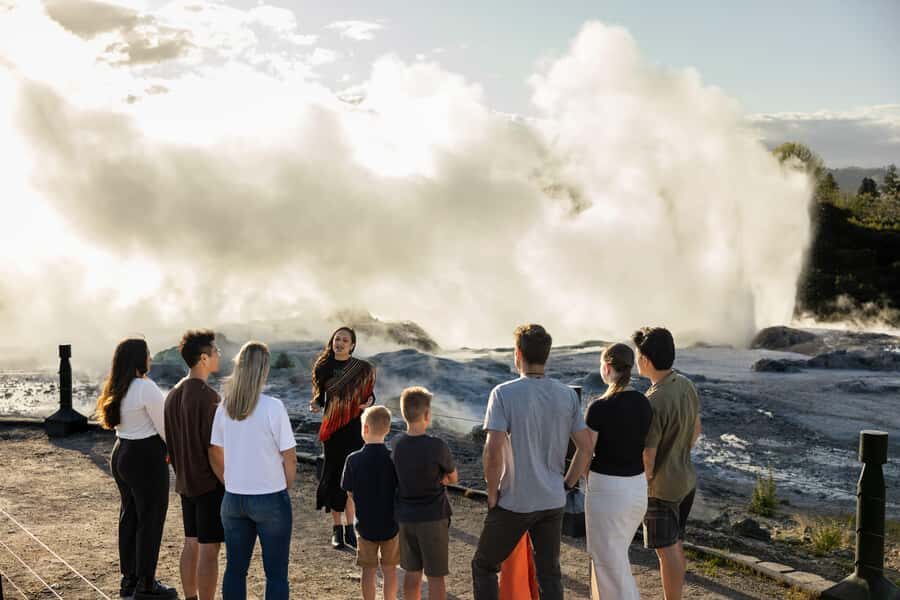
If you like your tourism to be more than scenery photos, this combo fits. You’ll get explanation while you walk, plus cultural framing before you sit down for the haka.
The one “gotcha” is pace. This is an evening tour, so wear shoes you can move in comfortably and expect you’ll be outside more than you would on a museum day.
A few more Rotorua tours and experiences worth a look

Meeting point at Te Puia, 20 Hemo Road (and how to time yourself)
You’ll start at the Admissions/Arrival area at Te Puia, 20 Hemo Road. Since the tour is 4 hours total, you don’t want to arrive late and compress the rest of your night.
Plan for weather. Rotorua evenings can turn cold or damp, and the guidance specifically suggests bringing an umbrella and/or a rain jacket plus warm layers if it’s wet and/or cold. Comfortable shoes are also a must because you’re moving around a geothermal valley.
Good to know: the tour is English-language with a live guide, and it’s listed as wheelchair accessible. If you’re traveling with mobility needs, wear supportive footwear and be ready for uneven ground common in geothermal areas.
The 90-minute geothermal valley walk and Pōhutu Geyser
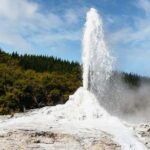
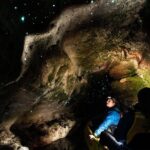
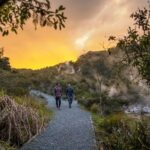
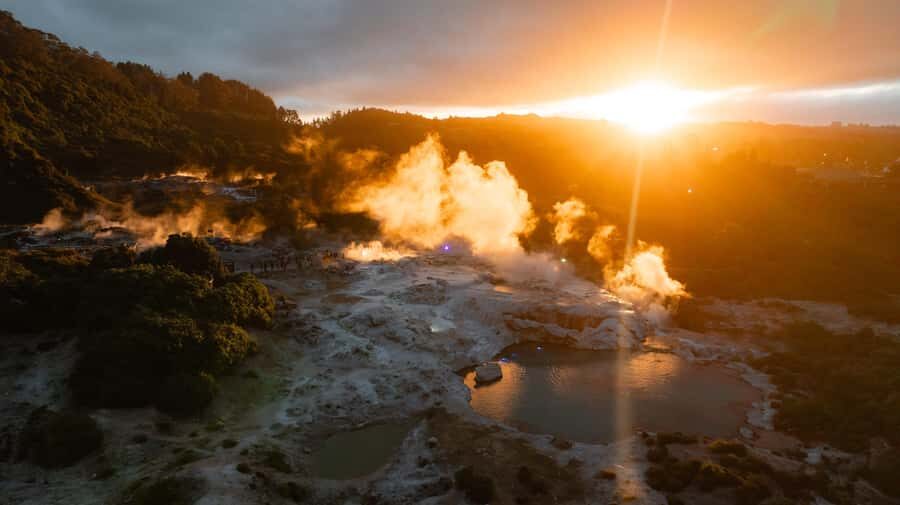
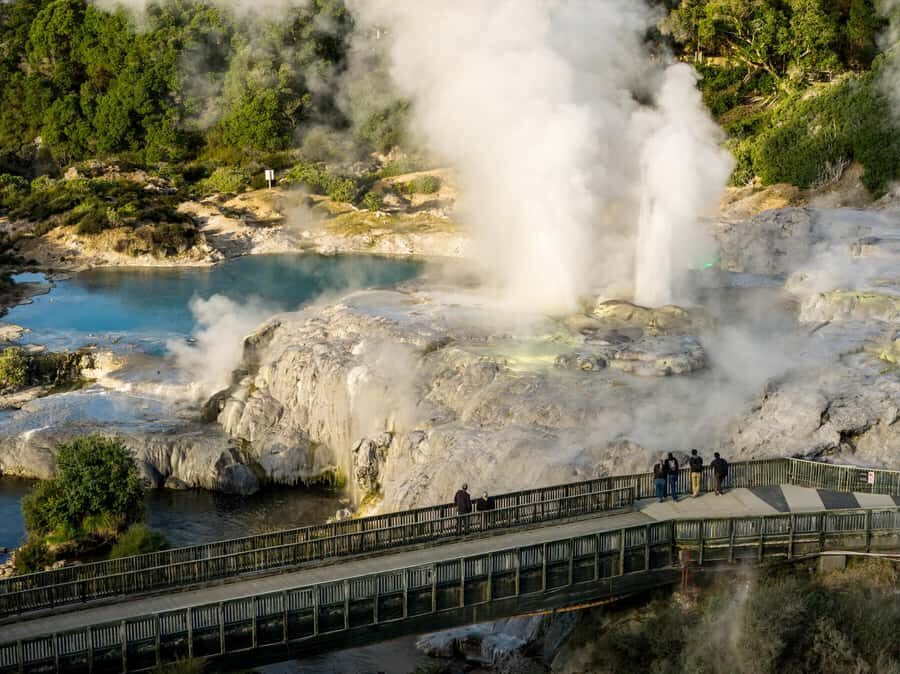
This is the main event. You’ll get a 90-minute guided tour through Te Puia’s geothermal valley, with the centerpiece being Pōhutu Geyser. Even if you’ve seen geysers elsewhere, what makes this stop feel special is the context your guide gives while you’re standing in the action.
You’ll also see the geothermal mix that makes Rotorua famous: native bush, mud pools, and active geothermal features. The walking time matters because it gives you a chance to understand how the area works instead of sprinting past highlights.
What to pay attention to: geothermal areas change. Steam can shift, and the ground around hot features can look different from one moment to the next. That’s why the guided pacing works—your guide can point out what you’re looking at and how it ties into Māori and local understanding of place.
Practical tip: if you tend to get cold easily, bring a light warm layer. You’ll spend time outdoors before and during dinner later in the evening, and wet weather can make it feel colder than the daytime temp.
Kiwi Conservation Centre + Māori Arts and Crafts Institute: the culture stops that add meaning
A lot of cultural tourism is just a photo stop. This is different because you’re building understanding while you’re onsite.
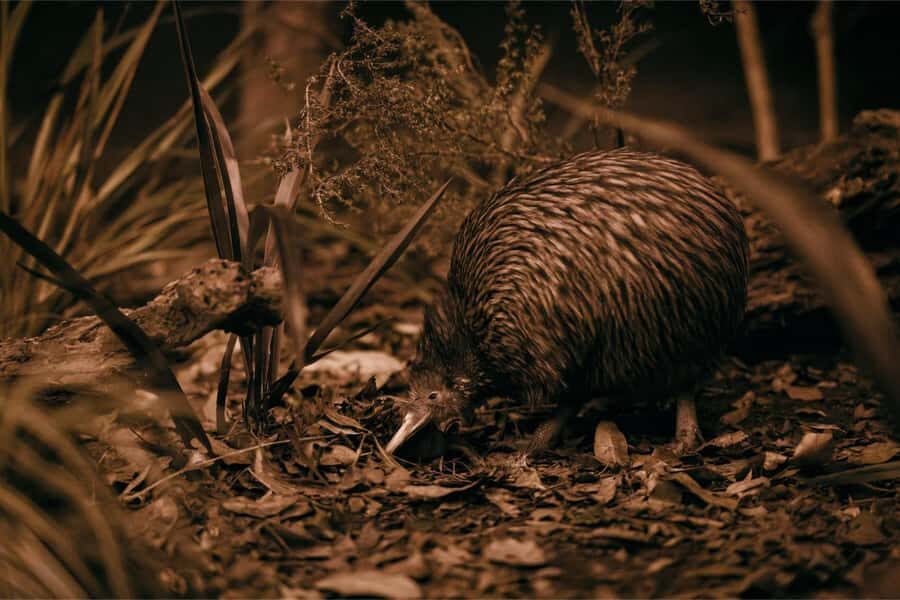
First up is the Kiwi Conservation Centre. You’ll get to connect the geothermal setting with conservation efforts focused on kiwi—an important link, because kiwi conservation is part of New Zealand’s identity, not just a “cute animal moment.”
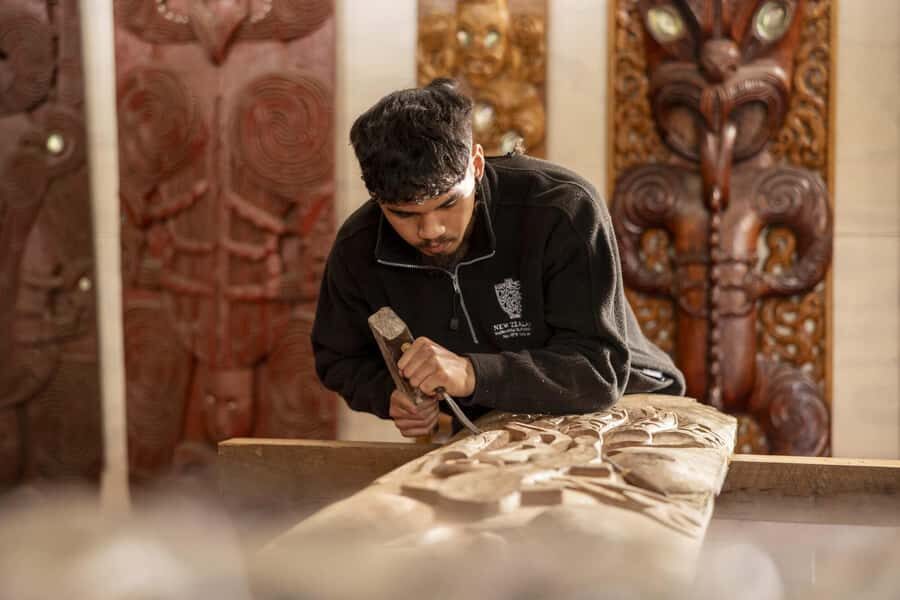
Next is the New Zealand Māori Arts and Crafts Institute. This is where you start learning the cultural background behind what you’ll later see in the meeting house performance. Crafts and arts are one of the easiest ways to understand living culture: you can see hands-on skill, tradition, and meaning expressed through design.
Why these two stops matter: they help you move beyond “watching a show” into understanding why the show is happening in that place, with those traditions. If you want a more grounded evening—less checklist and more connection—this is the part that does the heavy lifting.
Hāngī buffet dinner at Pātaka Kai: what’s included and what to expect
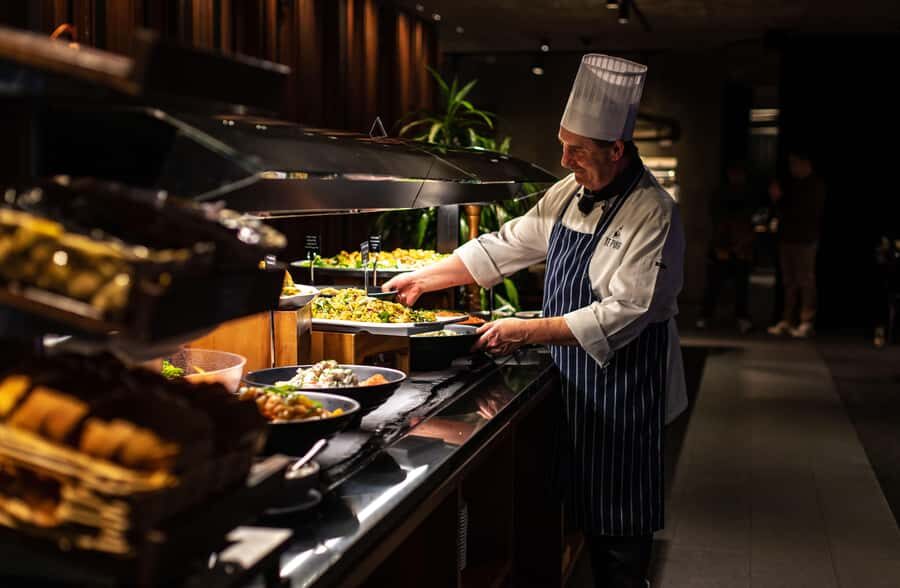
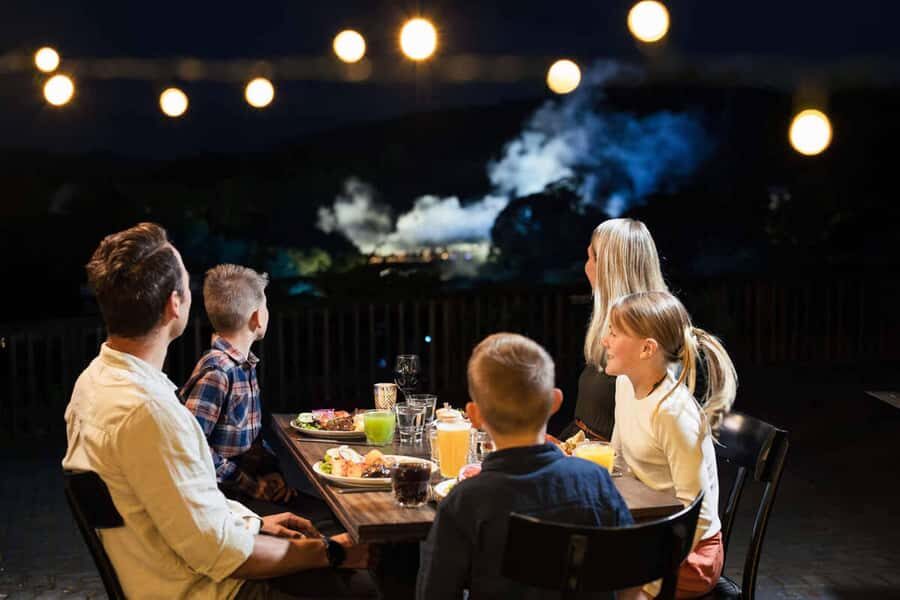
Dinner is a 1.5-hour buffet at Pātaka Kai Restaurant & Bar, and it comes with a big advantage: you’re eating while looking out over the geothermal area. That changes how the meal feels. It’s not just food in a room; it’s dinner in the middle of the same environment you toured earlier.
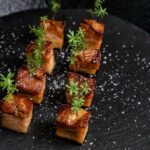
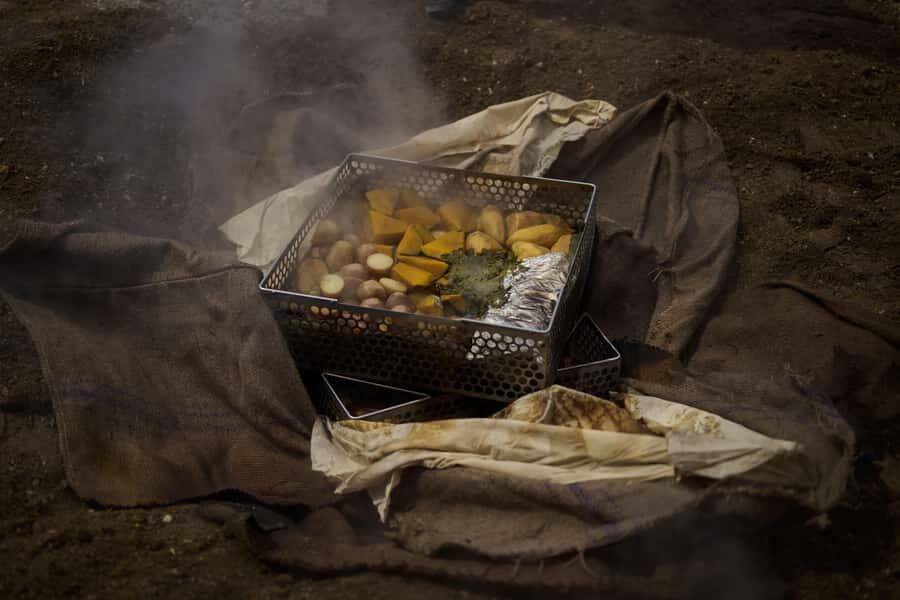
The menu is described as featuring freshly sourced produce, traditionally cooked meats and vegetables, kai moana (seafood), and sweet desserts. This is one of the better setups for variety because it’s not a single dish situation. You can build a plate that fits your preferences rather than being forced into one “tour plate.”
The hāngī angle matters too. Hāngī is about cooking methods and tradition, and having a buffet lets you sample without having to wait for a full plated service. If you’re a slow eater, the 1.5-hour window gives you breathing room.
One practical note: since dinner is part of a timed program, it’s not the place to take forever. Serve yourself, eat comfortably, and keep your jacket handy—you’ll be heading back into geothermal territory later.
A few more Rotorua tours and experiences worth a look
Inside Te Aronui a Rua: pōhiri, waiata, mōteatea, poi, and haka
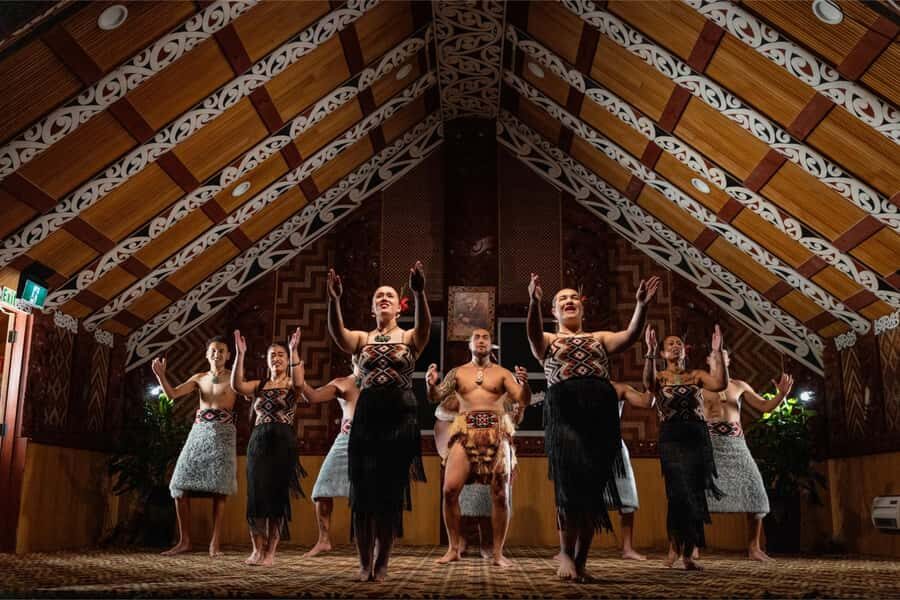
After dinner comes the performance in the carved meeting house, Te Aronui a Rua. This setting is a major part of why the show lands. You’re not watching culture like entertainment out of context; you’re seated in a purpose-built space meant for receiving and performing.
The program includes:
- pōhiri (traditional welcome)
- waiata (song)
- mōteatea (chant)
- poi (performance with poi balls)
- haka (dance/chant performance)
What I like about this structure is that it doesn’t jump straight to the most famous moment. It builds. You see the arc from welcome and vocal traditions into the high-energy performance elements.
If you’re specifically there for the haka, plan to pay attention from the start. The haka is strongest when you understand it as part of a broader cultural sequence—not just a dramatic finale.
Also, the show being 45 minutes is a sweet spot. Long enough to feel complete. Short enough that you won’t be wiped out before the night’s end.
The final 30 minutes: sightseeing time and a hot chocolate send-off
After the dance show, you get a bit more time to take in the area—about 30 minutes of sightseeing—before returning to the meeting point at 20 Hemo Road.
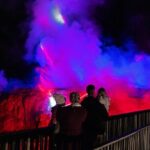
Then you finish on something simple but smart: hot chocolate at the geyser terrace. It’s a classic end-of-day touch for a geothermal evening, especially if the air has turned cool. The hot drink also gives you a moment to relax your legs and let the whole sequence settle in.
This finale works well if you’re traveling with people who need a softer landing after performances. You’re still in the geothermal zone, but in a calmer, low-pressure way.
Price and logistics: is the $166 combo worth it?
Let’s be honest: $166 isn’t “cheap.” But for an evening that includes a guided geothermal tour, kiwi conservation, a cultural institute, a hangi-style buffet dinner, and a full Māori performance, you’re not just paying for one attraction—you’re buying time and coordination.
Here’s how I judge value in a combo like this:
- If you booked separately, you’d almost certainly spend more (and lose time bouncing between places).
- You’re getting a guided experience rather than just self-guided walking, which tends to make the geothermal visit and culture stops feel far more meaningful.
- The food isn’t a snack. It’s a full buffet with multiple categories, including seafood and desserts.
The only reason it might not be right is if you hate structured schedules. This is a “one evening, one plan” experience. If you want maximum freedom to wander at your own pace, you may find the pacing a bit firm.
Also, a heads-up I’d give any buyer: keep an eye on your confirmation details. I’ve seen examples where the dinner-and-haka components didn’t get attached correctly at first due to a booking system issue, and it can affect how the evening feels even if it gets fixed later. Double-check that your booking includes the full combo.
Who should book Te Puia Te Pō (and who should skip it)
This combo is a great fit if you want:
- a geothermal experience with guided context
- a Māori cultural performance that includes a sequence (pōhiri → waiata/mōteatea → poi → haka)
- dinner that’s part of the experience, not an afterthought
- one ticket that keeps the evening organized
It might not be the best choice if you:
- want to move at your own pace without any schedule pressure
- are only interested in one element (like just the geyser) and don’t care about the culture and dinner
If you’re traveling as a couple, this is also a strong option because it gives shared moments: walking together, eating together, then sitting together for the performance.
Should you book this Te Puia Te Pō combo?
I’d book it if you want an evening that feels like it was designed—geothermal first, then kiwi and Māori arts, then a hangi buffet, then a full performance in Te Aronui a Rua, capped with hot chocolate. For many people, it’s the easiest way to get the “Te Puia experience” in one go without piecing together plans.
I’d pause only if you hate tight timing or if you’re booking in a rush and can’t double-check your confirmation details. If you do that one small thing, you’ll be set up for a memorable night where the culture and the geothermal wonderland go together, on purpose.
FAQ
FAQ
How long is the Te Puia Te Pō Indigenous Combo?
The experience runs for about 4 hours total.
What does the tour include besides the cultural performance?
You get a guided geothermal valley tour (about 1.5 hours) including Pōhutu Geyser, a visit to the Kiwi Conservation Centre, and the New Zealand Māori Arts and Crafts Institute. Dinner and the performance are included too.
Where is the dinner served?
Dinner is at Pātaka Kai Restaurant & Bar, with a buffet meal served during the tour.
What kind of food is served at the buffet?
The hāngī buffet includes freshly sourced produce, traditionally cooked meats and vegetables, kai moana (seafood), and sweet desserts.
What happens during the Māori cultural performance?
The performance includes pōhiri, waiata, mōteatea, poi, and haka. It takes about 45 minutes.
Is hot chocolate included, and when do you get it?
Yes. You’ll have hot chocolate at the geyser terrace after the cultural performance.
What should I wear or bring?
Wear comfortable shoes. In wet or cold weather, bring an umbrella and/or rain jacket plus warm clothing.
What is the meeting point?
Meet at the Admissions/Arrival area at Te Puia, 20 Hemo Road.
Is this tour suitable for wheelchair users?
It’s listed as wheelchair accessible.