REVIEW · ROTORUA
Nocturnal adventure Glow-worm tour
Book on Viator →Operated by Real Rotorua · Bookable on Viator
Glowworms light up a whole different Rotorua. This guided nocturnal bush walk is built around the moment you turn off your light and the forest answers back, with return hotel transfers so you don’t waste your evening on logistics. It’s also a smart pick for cloudy or rainy weather, when other plans can feel like a bust.
I like two things a lot. First, the small group size (max 8) keeps the walk calm and photo moments easy to manage. Second, the guide (Stephen and the Real Rotorua team) runs a safety-first experience that still feels relaxed, with the focus staying on the glowworms and the native forest around them.
One consideration: this is a real night walk on uneven ground. You’re in low light conditions, with tree roots, rocks, and slippery surfaces possible, so you’ll want supportive footwear and a moderate fitness level for the 2 km route.
In This Review
- Key Things That Make This Glow-worm Tour Worth Your Evening
- Price and Value: Is $77.57 a Good Deal in Rotorua?
- Where You Start: 1167 Fenton Street and the Night Timing (7:30–8:15 PM)
- The Van Ride: Small-Group Comfort Before the Dark Forest
- The 2 km Walk Through Native Bush: What Happens Between the First Steps and the Glowworm Moment
- Footwear and night gear that actually helps
- Flashlights, Red Light, and Why Lighting Matters Here
- Wildlife Chances: Wallabies, Possums, and Other Night Actors
- The Glowworm Payoff: “Hundreds of Stars” on Cliff Faces and in Banks
- Photo Help and How You’ll Remember It Tomorrow
- Ending Strong: Hot Chocolate, Cookies, and the Stars Moment
- Who This Tour Suits Best (and Who Might Want to Skip It)
- Should You Book This Glow-worm Tour with Real Rotorua?
- FAQ
- What is the duration of the Nocturnal Glow-worm tour?
- How long is the walk?
- What time does the tour operate?
- Where is the meeting point?
- How many people are in a group?
- What are the physical requirements?
- What should I wear?
- Is there a minimum age?
- Is the tour canceled if the weather is bad?
- Does this tour include hotel transfers?
Key Things That Make This Glow-worm Tour Worth Your Evening
- A true glowworm-focused night: you get the forest-dark moment you came for, not a long “drive-and-hope” setup
- Small van, small group (8 max): easier pacing, more attention, and quicker photo help
- 2 km native bush walk: short enough to fit after a Rotorua day, long enough to feel like an adventure
- Wildlife chances beyond glowworms: wallabies and possums are part of the experience, not a bonus
- Guide Stephen’s photo help and lighting setup: you’re guided safely with torches/flashlights so you can actually see and shoot
- Hot chocolate and cookies at the end: a nice wind-down after the walk and night sky breaks
Price and Value: Is $77.57 a Good Deal in Rotorua?
At $77.57 per person for about 2.5 to 3 hours, this tour is priced in the “you’re paying for the experience” category. You’re not just buying entry to a viewing spot. You’re paying for: a guide who knows where to take you, a low-light walking plan that keeps everyone safe, and return hotel transfers that remove the hassle of timing a drive around sunset.
Value also comes from the scale. A max of 8 people means you’re less likely to feel rushed or shuffled along, and you’ll spend more time in the forest’s quiet, dark rhythm. If you’re comparing to larger, more crowded glowworm options, this tour’s format is often what makes it feel worth the money.
If you’re hoping to see glowworms in any light (or from a bus window), temper expectations. This is a night walk experience, and that darkness is part of the show.
You can also read our reviews of more tours and experiences in Rotorua.
Where You Start: 1167 Fenton Street and the Night Timing (7:30–8:15 PM)
The tour meets at 1167 Fenton Street, Rotorua and returns there. Departure times run in a window—7:30 PM to 8:15 PM, depending on the season—because the best glowworm viewing depends on the night getting properly dark.
Here’s how to think about timing as a practical traveler:
- Plan your earlier Rotorua day so you can actually be ready for an evening start.
- Keep your schedule loose. Sunset timing changes, and the guide adapts departures accordingly.
- Bring your patience. The walk is short, but it’s not a “grab-and-go” activity—this is nature viewing at night, not a fast checklist.
The Van Ride: Small-Group Comfort Before the Dark Forest
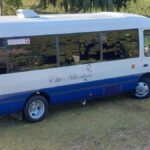
You head out in a minivan with a small group (8 people). The drive is part of the pacing—just enough to shift you away from city light and get you mentally into night mode.
In one recent example, people planned around roughly a 25-minute ride before the walking portion, but the big idea stays the same: you’re not spending most of your time in transit. You’re spending it in the bush, under real darkness, with the guide controlling the lighting so glowworms stay visible.
A calm ride also matters because night tours are sensory. You’ll hear more once you’re off the road—running water, wind through native plants, and the little rustles that mean wildlife is nearby.
The 2 km Walk Through Native Bush: What Happens Between the First Steps and the Glowworm Moment
The walking portion is about 2 kilometers and the whole tour runs about 2.5 to 3 hours. The terrain is part of what you should expect: uneven ground, tree roots, rocks, and surfaces that can get slippery.
The walk follows a simple rhythm:
- A guided start through native bush in darkness
- You move along with the help of lighting and cues from your guide
- You reach spots where running water and rising banks shape the sound and the sightlines
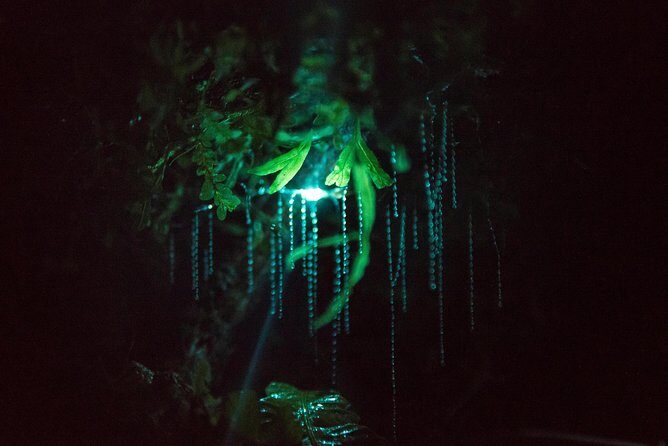
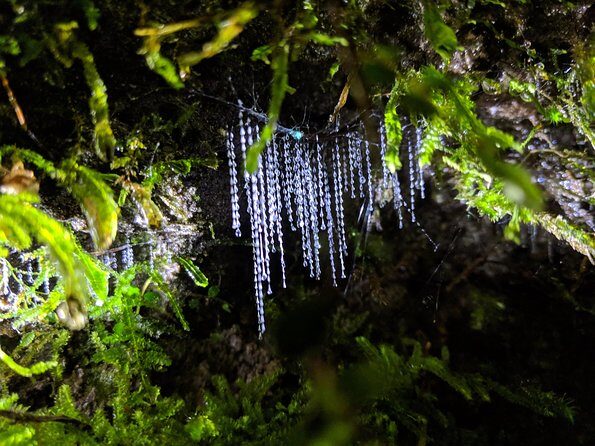
- Then comes the big trick—your guide has you turn off your flashlight, and the glowworms appear like stars in a night sky
That “light off” moment is the point. Glowworms are easiest to see when you’re not fighting the brightness of your own beam. It’s also when the forest feels most magical because your eyes adjust and the glow spreads across your vision in multiple directions.
Expect stops. The guide keeps the group together, points out features in the forest, and watches for wildlife movement. You’ll also get a chance at close viewing rather than just distant spotting.
Footwear and night gear that actually helps
Even if the tour provides what you need for safety, you’ll do better with:
- supportive shoes or hiking boots
- clothes suited for cool Rotorua nights
- willingness to walk steadily on uneven trails in low light
This isn’t a stroller-friendly shuffle. It’s manageable, but it’s still a real path.

Flashlights, Red Light, and Why Lighting Matters Here
Lighting is not just convenience on this tour—it’s how you keep wildlife calm and how you see glowworms.
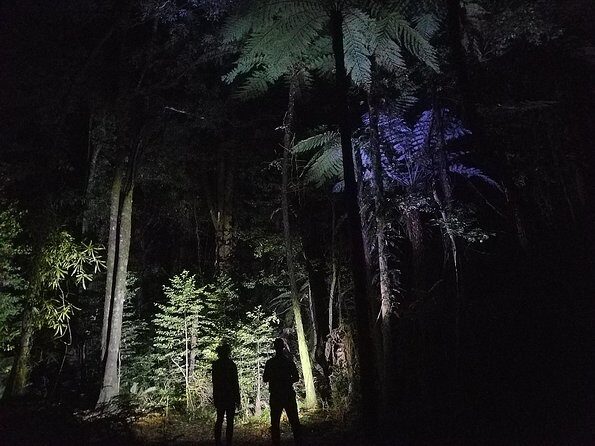
From the experience reports tied to this tour, Stephen uses different lighting modes to guide people safely:
- high-lumen flashlights for walking
- red lens light when you’re close to glowworms
- additional approaches (including LED and infrared techniques mentioned in accounts) to keep the experience visible without blasting the forest
Why this matters for you: if your light is too bright, you lose the glow. If it’s too constant, you can push animals back. The whole format is built around controlled light so the forest stays dark enough for the glowworms and safe enough for you.
If you like photography, this is also when the experience becomes more than seeing with your eyes. The guide helps you take photos at the right moments—often with help for posing and timing.
Wildlife Chances: Wallabies, Possums, and Other Night Actors
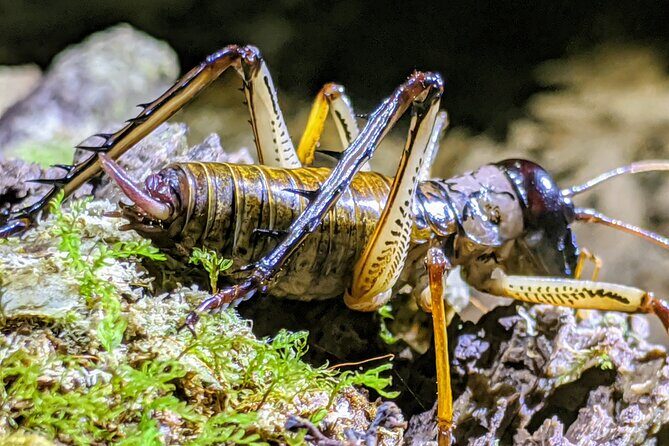
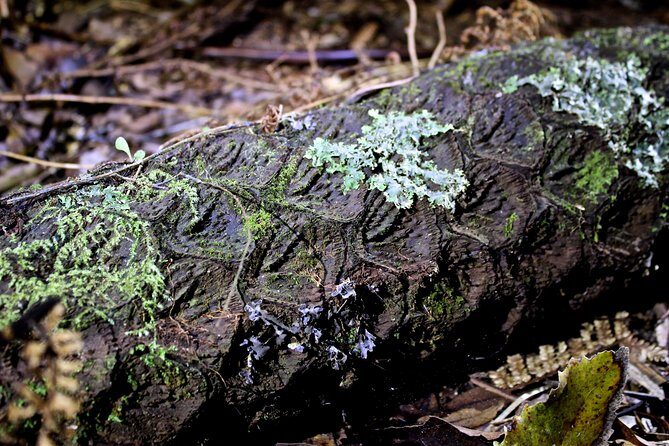
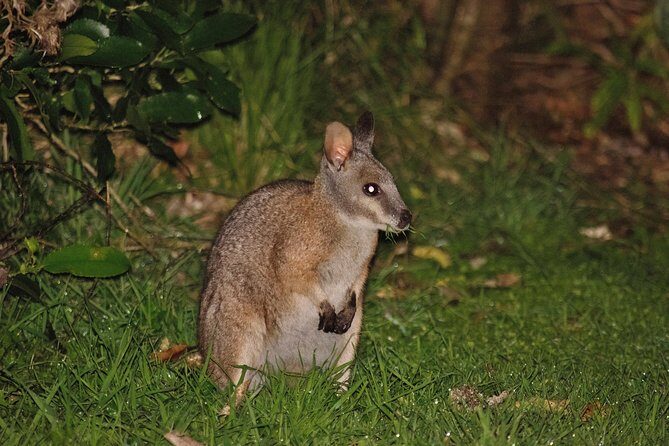
Glowworms are the headline, but the forest is busy after dark. The tour includes chances to see wildlife such as wallabies and possums. In some accounts, people also mention seeing other small night creatures like wētā, plus noticing plants and fungi as the guide explains what you’re looking at.
Here’s a grounded expectation: wildlife sighting is never guaranteed on any night walk. But your odds go up when:
- you’re quieter
- you follow the guide’s lighting strategy
- you stay patient through the walk and not just sprint to the glow spots
One of the better feelings during this kind of tour is realizing the forest is alive even when you don’t have a glowworm constellation in view yet. That’s when the guide’s focus on the native habitat pays off.
The Glowworm Payoff: “Hundreds of Stars” on Cliff Faces and in Banks
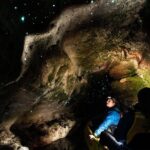
When you finally turn off the flashlight, the viewing can feel unreal. People describe glowworms lit up in large numbers—sometimes on cliff faces and around towering banks—so the whole area looks scattered with small constellations.
You’ll often see glowworms at multiple points along the route. That’s important because it means you’re not relying on one luck-based stop. Your guide keeps you moving to the best viewing pockets and manages the group so everyone gets a proper look close enough to understand what you’re seeing.
Even on cloudy nights, the whole point of the New Zealand glowworm habitat is that the glowworms keep creating a low-light spectacle. A cloudy sky doesn’t ruin the show the way it can ruin things that depend on sunlight.
Photo Help and How You’ll Remember It Tomorrow
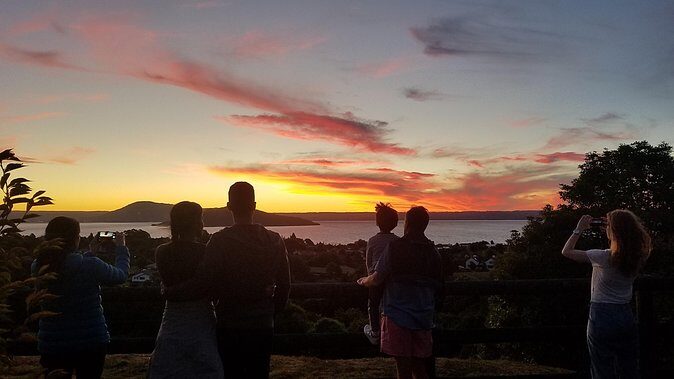
A nice extra on this tour is how the experience is turned into a keepable memory. Accounts include:
- the guide helping take photos during the night
- sharing personalized photos by email the following day
- special attention to how the glowworms look in images
This is more than a nice-to-have. Night photos are tricky. You need the right lighting, timing, and framing. If you’ve ever tried to photograph glowworms yourself, you know you can either chase settings or watch the glow. This tour helps you do both.
If you’re the type who likes to document your trip, this added support is one of the most practical reasons to choose a guided walk over a self-drive option.
Ending Strong: Hot Chocolate, Cookies, and the Stars Moment
At the end of the tour, you typically get a small reset: hot chocolate and cookies. Some accounts mention this as part of winding down after the walk, with the group relaxing before the return ride.
Depending on the night, people also mention seeing a sky view with stars. Rotorua can sometimes deliver clear patches even when the day feels messy—so you might catch a Milky Way moment while you’re still energized from the glowworms.
Then you’re back at the meeting point.
Who This Tour Suits Best (and Who Might Want to Skip It)
This is a great fit if you want:
- an easy, guided night in Rotorua without handling cars or long transfers
- a short walk that still feels like a real experience
- high odds of glowworm sightings plus wildlife chances
- a guide who thinks about lighting, safety, and photos
It might not be ideal if:
- you struggle with uneven footing at night
- you want a mostly sit-and-watch experience
- you’re very sensitive to cold and wet without time to warm up (dress for Rotorua evenings)
The minimum age is 6, and the tour calls for moderate physical fitness. If that sounds reasonable for your group, you’re probably in the sweet spot.
Should You Book This Glow-worm Tour with Real Rotorua?
Book it if you’re in Rotorua for a short time and you want your evening to be meaningful: glowworms, native bush, wildlife chances, and a guide who knows how to make the dark work for you. I’d also lean toward this tour if the weather looks questionable, because it’s designed specifically for gloomy nights.
I’d think twice if you’re expecting a “no walking required” option or if night trails on uneven surfaces are a problem for you. In that case, you might need a different style of tour.
If you can handle a 2 km walk in the dark with the right shoes, this is one of those experiences that turns Rotorua from a geothermal day town into a night-sky forest memory.
FAQ
What is the duration of the Nocturnal Glow-worm tour?
The tour runs about 2.5 to 3 hours.
How long is the walk?
You’ll do a 2 kilometer walk through native bush.
What time does the tour operate?
It operates Monday through Sunday from 7:30 PM to 8:15 PM, with departure times varying by season.
Where is the meeting point?
The meeting point is 1167 Fenton Street, Rotorua 3010. The tour ends back at the meeting point.
How many people are in a group?
There’s a maximum of 8 travelers per booking.
What are the physical requirements?
The tour recommends moderate physical fitness, and it includes walking on uneven, low-light terrain.
What should I wear?
You should wear supportive footwear like trainers or hiking boots, and dress appropriately for weather since it operates in most conditions.
Is there a minimum age?
Yes, the minimum age is 6 years old.
Is the tour canceled if the weather is bad?
The tour operates in most weather conditions, but if it’s canceled due to poor weather, you’ll be offered a different date or a full refund.
Does this tour include hotel transfers?
Yes, it includes return hotel transfers.