REVIEW · ROTORUA
Rotorua: The National Kiwi Hatchery Kiwi Encounter Tour
Book on GetYourGuide →Operated by The National Kiwi Hatchery Aotearoa · Bookable on GetYourGuide
A kiwi encounter that’s actually about conservation. In Rotorua, the National Kiwi Hatchery Kiwi Encounter tour takes you inside the world’s biggest kiwi hatching and rearing centre, where your visit supports hands-on work for an endangered national icon. You get expert guidance and real access to the stages of incubation and chick care, not just a quick look from the edge. It’s a donation-first experience, with ticket money going straight back to the hatchery programme. One thing to plan for: outcomes depend on timing, because the eggs-and-chicks viewing is best during the September to March season.
I especially like how the hour is built around the kiwi’s life cycle. You’ll see eggs and chicks when conditions line up, and when they don’t, you can still watch resident adults foraging in the Nocturnal House.
One possible drawback is simple: you’re not there to guarantee a long list of baby sightings every time. The hatchery’s work is real-time, and you might see fewer chicks if your visit falls outside peak hatching windows.
In This Review
- Kiwi Encounter tour quick hits
- Why Rotorua’s National Kiwi Hatchery Is Worth Your Hour
- Walking Through Kiwi Conservation: What You Actually See
- Eggs, Incubation, and That Moment a Chick Enters the Nursery
- Nocturnal House Encounters With Adult Kiwis
- Guide Style and Group Flow on the 1-Hour Kiwi Encounter
- Price and Value: What Your $44 Actually Does
- What Changes by Season: September to March vs. Off-Season
- Practical Tips: Photos, Comfort, and Getting the Most From Red Light
- Who This Kiwi Hatchery Tour Suits Best
- Should You Book This Kiwi Encounter Tour in Rotorua?
- FAQ
- How long is the National Kiwi Hatchery Kiwi Encounter tour?
- How much does the Rotorua Kiwi Hatchery tour cost?
- Where is the National Kiwi Hatchery located?
- When can I see kiwi eggs and chicks?
- What can I see outside the hatching season?
- Can I see live kiwi all year?
- Are photos or videos allowed?
- Is the tour suitable for young children?
- Is hotel pickup included?
- Is free cancellation available?
Kiwi Encounter tour quick hits
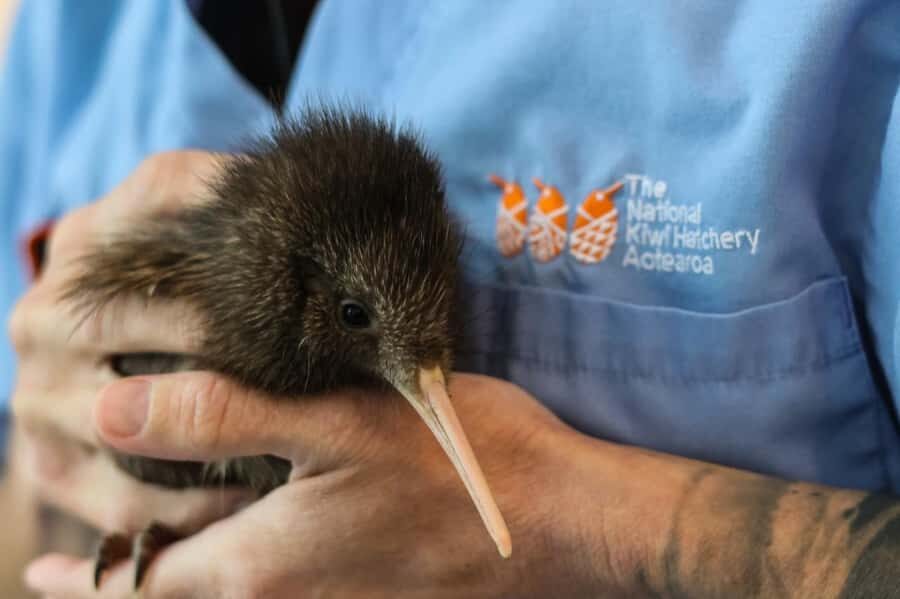
- 100% of your ticket supports the kiwi hatching programme, since it’s a not-for-profit charitable trust
- Eggs and chicks are most likely during September to March (best season for hatchery viewing)
- You can see adult kiwis in the Nocturnal House all year round, using nocturnal-style setups
- You’ll get an expert guide and guided viewing through multiple kiwi care stations
- If you’re lucky, you may catch newly hatched chicks being fed or checked
- Photography rules are strict: no flash and no video recording inside
Why Rotorua’s National Kiwi Hatchery Is Worth Your Hour
Rotorua is famous for geothermal drama and outdoor adventures. But this hour feels different, because the main attraction isn’t a view or a thrill ride. It’s a conservation programme working to keep kiwi birds alive, even though the odds for kiwis in the wild are tough.
The National Kiwi Hatchery Kiwi Encounter tour is built for people who want more than a photo. You’re learning how kiwi eggs incubate, how chicks are monitored, and how husbandry staff try to protect young birds during the most fragile stages. That focus matters, because it turns your visit into something you can talk about later with actual details.
Also, the price point is refreshingly straightforward for what you get. At around $44 per person for a 1-hour guided tour, you’re paying for expert interpretation, guided access to the hatchery areas, and a direct donation to the work. It’s not just “a zoo-style stop” in disguise.
You can also read our reviews of more tours and experiences in Rotorua.

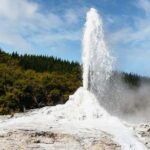
Walking Through Kiwi Conservation: What You Actually See
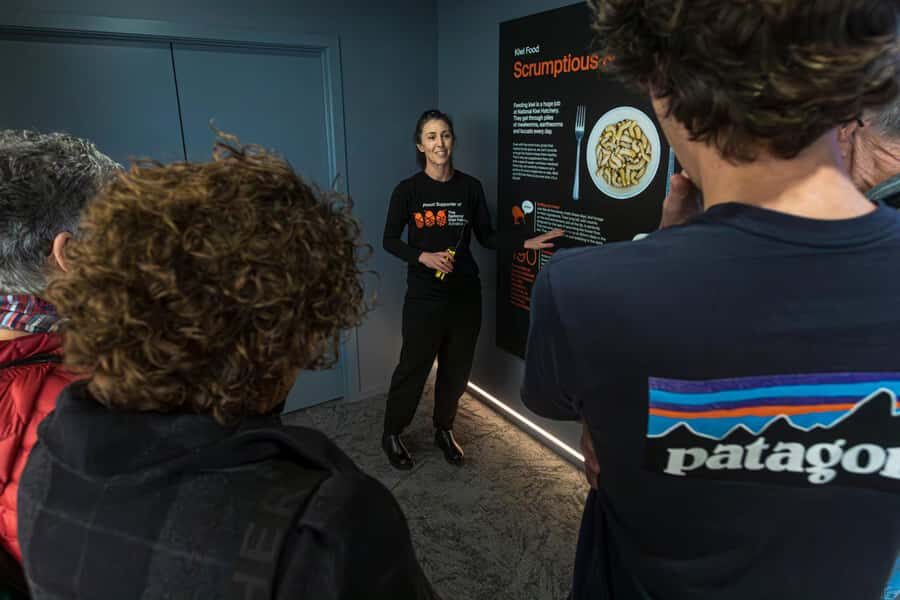
Your tour is timed and paced around guided viewing. You check in at the Agrodome area and then hop on shuttle transport to the hatchery buildings. The hatchery sits on-site at the Agrodome complex, about 10 minutes north of Rotorua city centre, with free parking onsite if you’re driving.
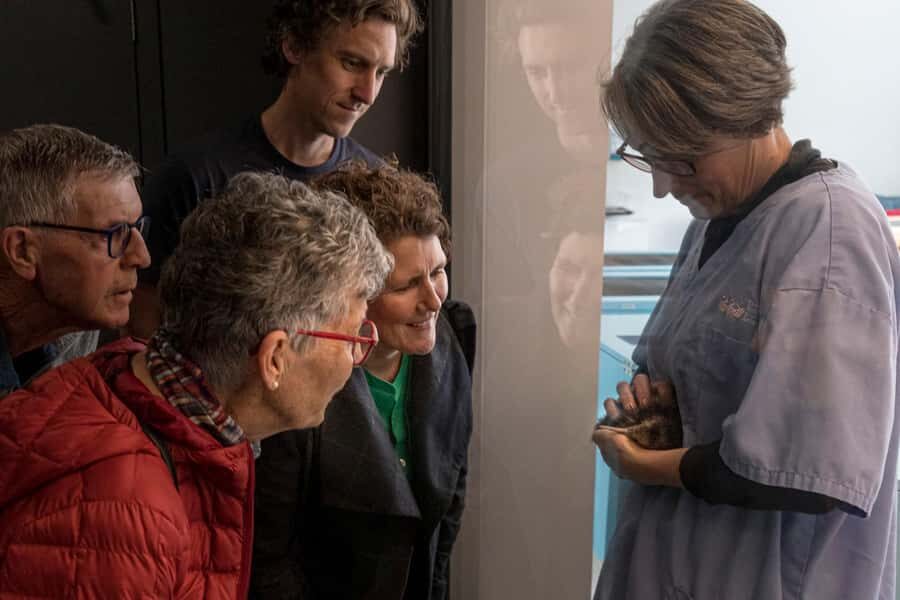
Once you’re at the hatchery, the experience reads like a behind-the-scenes map of kiwi care. You’ll move through the areas where eggs and chicks are handled and observed, guided by staff who explain why each step exists. Expect to hear how incubation conditions and chick monitoring support survival in a species that’s notoriously hard to spot in the wild.
This is also where the tour’s “national icon” theme becomes practical. Kiwi birds aren’t just cute. They’re endangered, and the hatchery work is part of how conservation groups try to stabilize populations. The hour gives you a sense of the effort required to move from egg to release-ready bird.
One more note that helps set expectations: you might see live kiwis in different settings depending on season. The programme is always running, but what you can observe most clearly changes with what’s happening in the nursery and incubator systems.
Eggs, Incubation, and That Moment a Chick Enters the Nursery
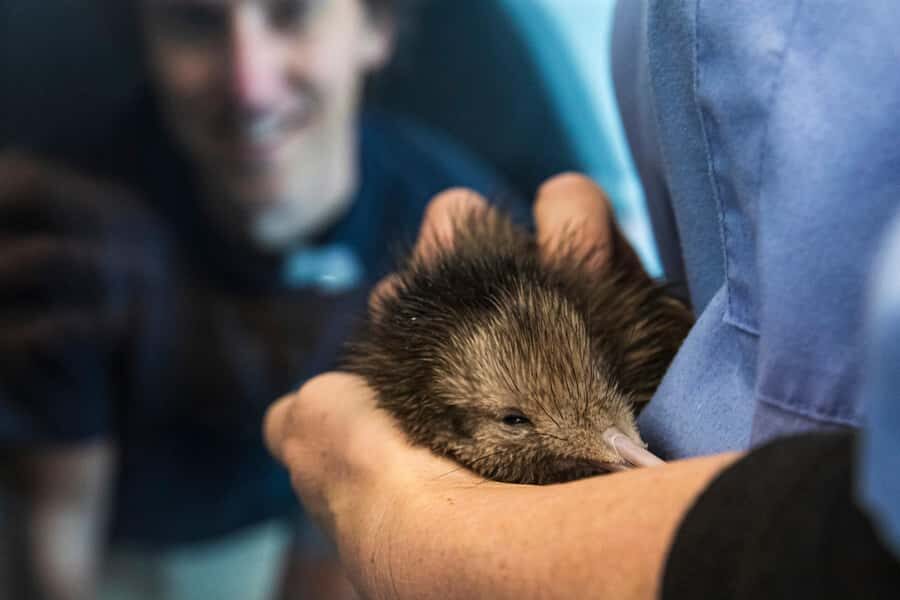
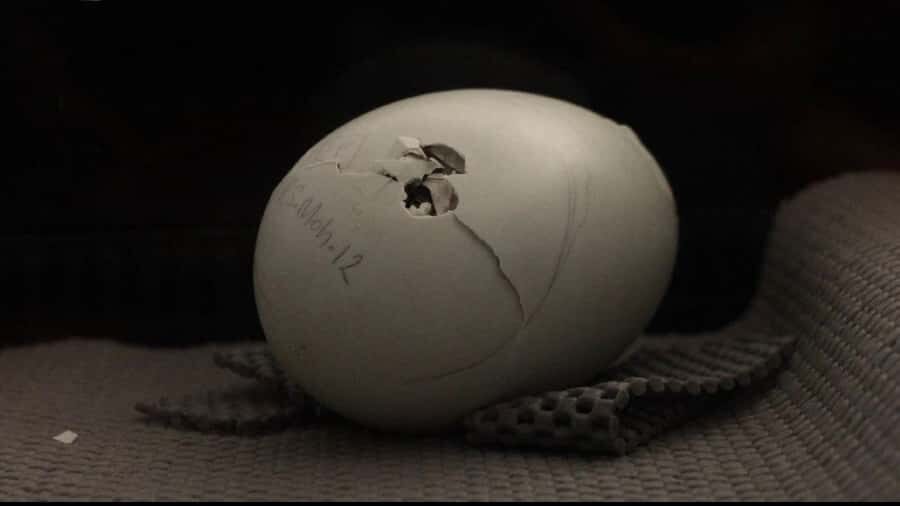
If you’re traveling for the hatching season, aim for September to March. That’s when the tour is set up to show you kiwi eggs and chicks more clearly, including the chance to see very young chicks during their earliest stages. The most memorable moments tend to happen when a chick is newly hatched, or when staff are doing routine care like feeding or health checks.
Here’s what to watch for during the egg-and-chick viewing portion:
- How eggs are monitored during incubation (you’ll get guided explanations of what staff look for)
- How young chicks are cared for in the nursery stage
- When health checks and feeding occur, if timing lines up
Even if you don’t catch a “just hatched” moment, you’re still getting something valuable: you see the progression. Eggs come first, then you see chicks in an early life stage, and you learn what makes that timeline so important. The conservation point is clear: early life is where many things can go wrong, so husbandry is a big part of giving chicks a better start.
You also learn why the hatchery is separate from the larger farm attractions on the Agrodome site. You’re not mixing entertainment and learning in one big blur. The tour emphasizes the conservation facility as its own focused space.
Nocturnal House Encounters With Adult Kiwis
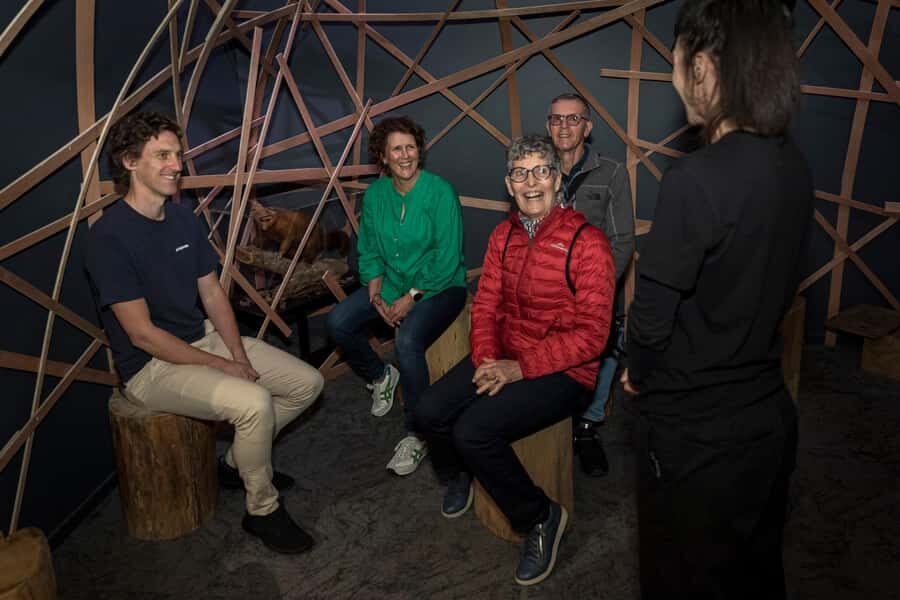
Even when you visit outside hatching season, the tour doesn’t turn into a dead end. You can still see resident adult kiwi in the Nocturnal House, with live viewing operating all year round.
The nocturnal setup is key. Kiwi birds are secretive by nature, and in the wild you don’t just walk up and watch them forage. Here, the experience is engineered to help you observe adult kiwis without the birds needing to be in daylight-like conditions. You’ll be seeing them in a way that respects how they live.
What I like about this part of the tour is that it gives balance. It’s not only about babies. You’re also learning that conservation is tied to the full bird life, including adult behaviour and feeding routines. It also helps you understand the kiwi’s challenge as a nocturnal animal, not just as a “cute bird you finally saw.”
Guide Style and Group Flow on the 1-Hour Kiwi Encounter
This is a live-guided experience in English, and it runs in about an hour. The flow matters because the subject needs time and context. The tour is designed to move you through the hatchery zones while keeping space for questions, so you don’t feel rushed out after the first animal sighting.
You may meet guides who are clearly specialists in the subject. In the field, names you could run into include Mya, Nico, Kai, and Teresa/Theresa. You won’t control which guide you get, but the consistent theme is that the guides can answer the practical “how does it work” questions, not only the big-picture story.
A practical detail that can shape your comfort: the shuttle includes a short ride across the Agrodome grounds. That’s normal for keeping the hatchery visit focused, especially since the facility buildings are across the farm area within the complex.




Price and Value: What Your $44 Actually Does
Let’s talk about the money, because it’s part of what makes this tour different. The tour is run as a not-for-profit charitable trust, and the programme is funded directly through ticket donations. 100% of your ticket goes back to the kiwi hatching programme, supporting breeding, rearing, and conservation efforts.
At $44 for a 1-hour guided tour, the value comes from three layers:
- You’re paying for interpretation and access, not just admission.
- Your visit supports conservation work directly.
- You get multiple learning stops in one session, including the nocturnal house viewing.
Also, this isn’t a “pay once and forget it” situation. Many people come away wanting to keep supporting the programme, either by learning more or sponsoring a chick if that option is available during your visit. The ticket itself already does a lot, but the hatchery’s work is ongoing, which makes your support feel current instead of symbolic.
What Changes by Season: September to March vs. Off-Season
Season drives what you’re most likely to see, so it’s worth planning based on what you care about.
During September to March (hatching season):
- You’re more likely to see kiwi eggs and chicks
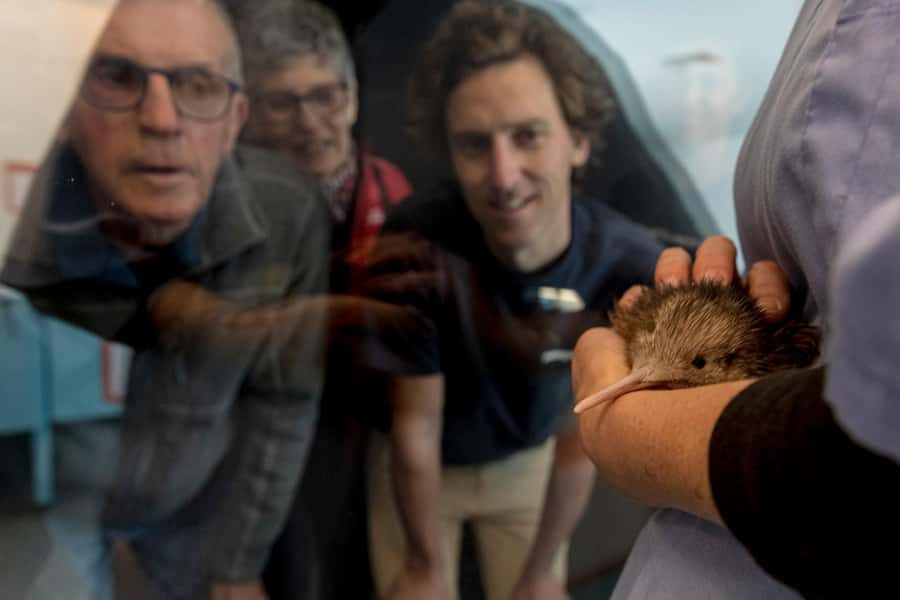
- You can sometimes catch a newly hatched chick being fed or checked, if your timing lines up with staff routines
- The tour experience leans more heavily into incubation and early rearing stages
Outside hatching season:
- You still see resident adult kiwis in the Nocturnal House
- You’ll learn about the kiwi’s survival challenges and husbandry work, even if the nursery portion isn’t as visually packed with babies
- You might find that the tour feels more observational rather than “nursery-focused”
Either way, the conservation message stays the same. The difference is the balance between baby care and adult viewing. If seeing chicks is your top priority, plan around September to March. If your main goal is simply seeing and understanding kiwi behaviour, off-season can still be satisfying because the nocturnal house is active all year.
Practical Tips: Photos, Comfort, and Getting the Most From Red Light
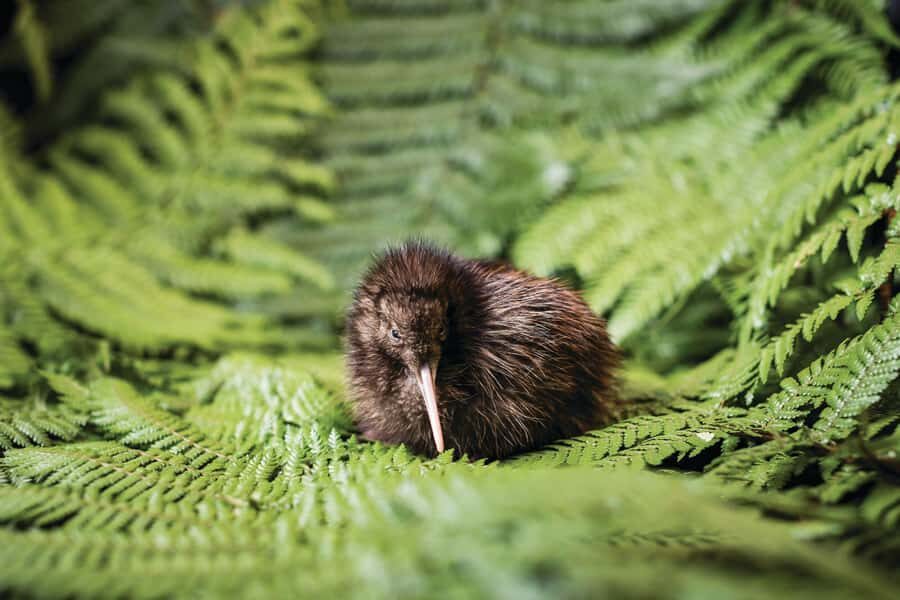
Some simple rules help you enjoy the tour more and keep things respectful for the birds.
- No flash photography inside the facility. Flash can disturb animals and breaks the “keep it calm” approach.
- No video recording is allowed.
- Arrive 15 minutes before departure to check in. This helps you settle and start on time.
Wear comfy shoes. You’ll be moving between areas within the Agrodome complex and through the hatchery viewing spaces. It’s not an all-day hike, but you want to be able to stand comfortably while staff explain what you’re looking at.
Also, don’t expect the same “daytime sighting” experience you’d get with more common birds. The nocturnal house uses lighting designed for kiwi observation. It can feel dim at first, but that’s part of how you learn the reality of kiwi life.
Finally, if you have questions, ask them. The guide format is built for conversation, and the people running the tour really want you to understand what’s happening behind the scenes.
Who This Kiwi Hatchery Tour Suits Best
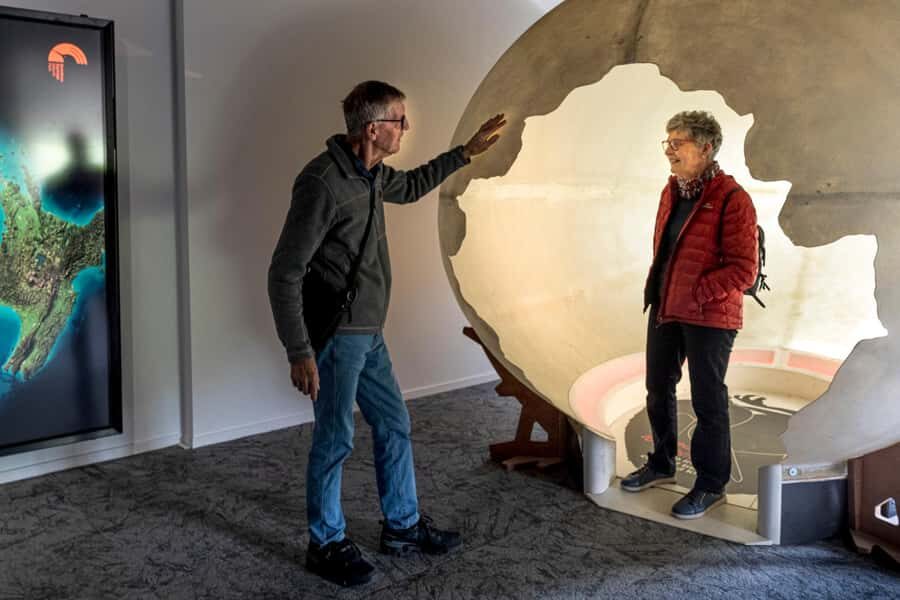
This tour fits best if you want a meaningful wildlife experience, but with clear structure and direct conservation context.
You’ll probably love it if:
- You’re visiting Rotorua and want one stop that feels educational and purpose-driven
- You care about conservation and want your money to support a programme directly
- You’re happy with a one-hour visit that mixes learning with live viewing
- You want a realistic chance to see eggs and chicks during September to March
It may not be for you if:
- You’re traveling with young kids. Children under 5 years aren’t allowed in the facility.
- You’re expecting lots of “instant wildlife moments.” Kiwi sightings can vary because the centre’s work depends on what’s currently hatching and what staff are preparing for viewing.
Should You Book This Kiwi Encounter Tour in Rotorua?
I’d book it if you want one short experience that gives you real kiwi insight and real conservation impact. The tour’s strengths are consistent: expert-led explanations, access to the hatching and rearing process, and 100% ticket support for the kiwi programme.
Book it especially confidently if you’re traveling in September to March and hoping to see eggs and chicks. Even if you’re not in season, the Nocturnal House viewing keeps the experience anchored in live kiwi behaviour.
If you’re deciding between “another attraction” and something with a purpose, this is the one that tends to stick in your memory for the right reasons: it’s not just seeing a bird. It’s understanding why the work is urgent, and how this hatchery helps give kiwi chicks a fighting chance.
FAQ
How long is the National Kiwi Hatchery Kiwi Encounter tour?
The tour lasts about 1 hour.
How much does the Rotorua Kiwi Hatchery tour cost?
The price listed is $44 per person.
Where is the National Kiwi Hatchery located?
It’s located at the Agrodome in Rotorua, about 10 minutes north of Rotorua city centre, and it has a free carpark onsite.
When can I see kiwi eggs and chicks?
You’ll best see kiwi eggs and chicks during hatching season, from September to March.
What can I see outside the hatching season?
Outside September to March, you can still observe resident adult kiwi foraging in the Nocturnal House.
Can I see live kiwi all year?
Yes. The tour includes spot live kiwi in their nocturnal house all year round.
Are photos or videos allowed?
Flash photography is not allowed, and video recording isn’t allowed.
Is the tour suitable for young children?
No. Children under 5 years are not allowed in the facility.
Is hotel pickup included?
No. Hotel pickup and drop-off are not included.
Is free cancellation available?
Yes. You can cancel up to 24 hours in advance for a full refund.