REVIEW · ROTORUA
Te Puia: Tuku Iho Trail with Cultural Show
Book on GetYourGuide →Operated by Te Puia · Bookable on GetYourGuide
Te Puia’s geothermal valley feels like science class with a drum beat. The Tuku Iho Trail pairs a guided walk through steaming geothermal paths with stops at the kiwi and Māori culture highlights. You’ll learn how mineral-rich hot pools were used by ancestors for cooking and bathing, then top it off with a live Māori cultural performance in a carved meeting house.
I especially like that you don’t just watch from the sidelines: you taste sweetcorn cooked in a ngāwhā (hot pool) while hearing the story of Hatupatu. And the kiwi side of the visit is real-world too, because you get to see kiwi birds at the Kiwi Conservation Centre. One thing to consider: this is a moderate-walk experience through bushland and geothermal paths, so it’s not ideal if you struggle with uneven ground or steady walking.
In This Review
- Key highlights you’ll care about
- The big idea: why this tour feels different at Te Puia
- Price and what you actually get for $89
- Meet at 20 Hemo Road and get your bearings fast
- The Tuku Iho Trail walk: geothermal paths plus a story you’ll remember
- Sweetcorn in the hot pool: the experience that makes the valley personal
- Kiwi Conservation Centre: seeing kiwis in a conservation setting
- Rotowhio marae grounds: culture you enter, not culture you just watch
- New Zealand Māori Arts and Crafts Institute: what you’re learning is visible
- Cultural performance at Te Aronui a Rua: pōhiri, waiata, poi, haka
- Timing: how a 2.25-hour guide turns into nearly a full experience
- Small group size: the comfort factor you’ll feel
- What to bring (and what not to bring)
- Who this tour is best for
- Should you book Te Puia’s Tuku Iho Trail with Cultural Show?
- FAQ
- What is the meeting point for this Te Puia tour?
- How long is the experience?
- What’s included besides the guided geothermal walk?
- Is food included?
- What should I bring and wear?
- Is the tour suitable for everyone?
Key highlights you’ll care about
- Sweetcorn from a ngāwhā hot pool plus the Hatupatu story tied to the place
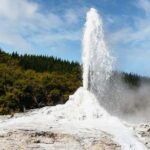
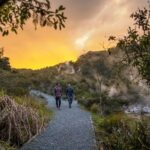
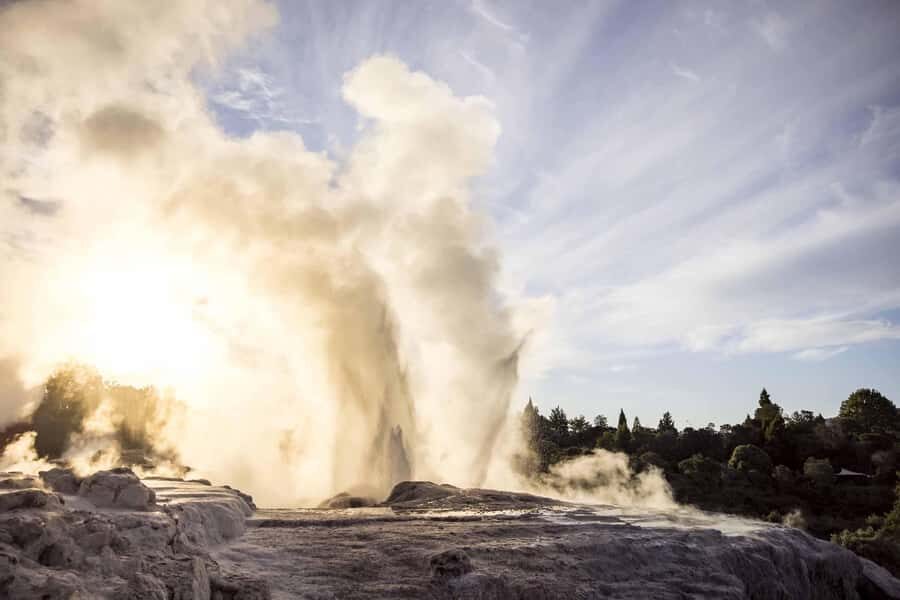
- Tuku Iho Trail bush walk with winding geothermal sinter paths and geyser-area views
- Kiwi Conservation Centre to see kiwi birds up close
- Rotowhio marae grounds experience as part of the cultural journey
- New Zealand Māori Arts and Crafts Institute for hands-on cultural context
- Te Aronui a Rua cultural performance with pōhiri, waiata, mōteatea, poi, and haka
The big idea: why this tour feels different at Te Puia
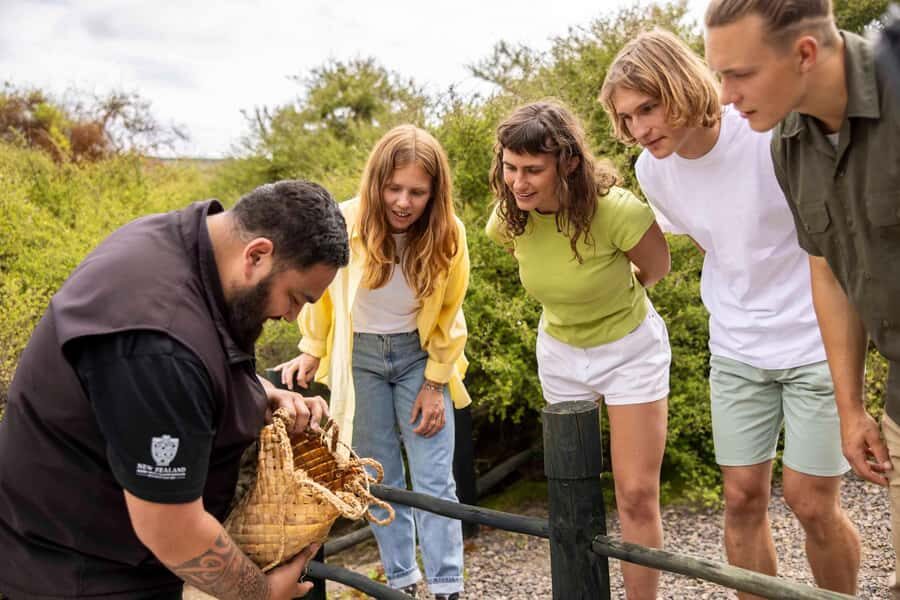
Te Puia can be a lot in one day, especially if you’re trying to cover Rotorua’s geothermal sights and Māori culture in a hurry. This tour has a simple winning formula: a guided walk through the geothermal valley, plus the culture built into the itinerary instead of tacked on at the end.
For you, that means the geology and the culture connect. The sweetcorn experience is a perfect example. You’re not only tasting food cooked in geothermal heat; you’re also hearing why ancestors used these mineral-rich pools long ago. That context makes the steaming ground feel meaningful, not just impressive.
A few more Rotorua tours and experiences worth a look
Price and what you actually get for $89
At $89 per person, this is positioned as a premium, small-group outing. What makes the price feel fair is that you’re not paying just for a walk.
You’re also getting:
- Kiwi Conservation Centre time to see kiwi birds
- Rotowhio marae grounds as part of the experience
- New Zealand Māori Arts and Crafts Institute visit
- A guided cultural performance in Te Aronui a Rua (with pōhiri, waiata, mōteatea, poi, and haka)
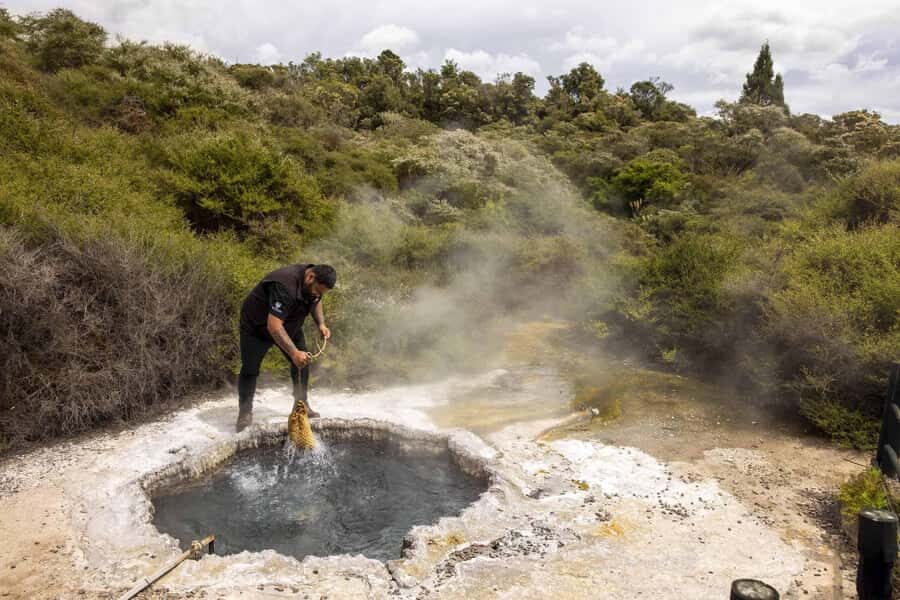
- Sweetcorn samples cooked in a geothermal hot pool
You will not have a full meal included. Food and drinks are not part of the package, so plan on water and whatever snack strategy fits you. If you’re the type who likes to pay once and stop juggling tickets, this format is built for you.
Meet at 20 Hemo Road and get your bearings fast
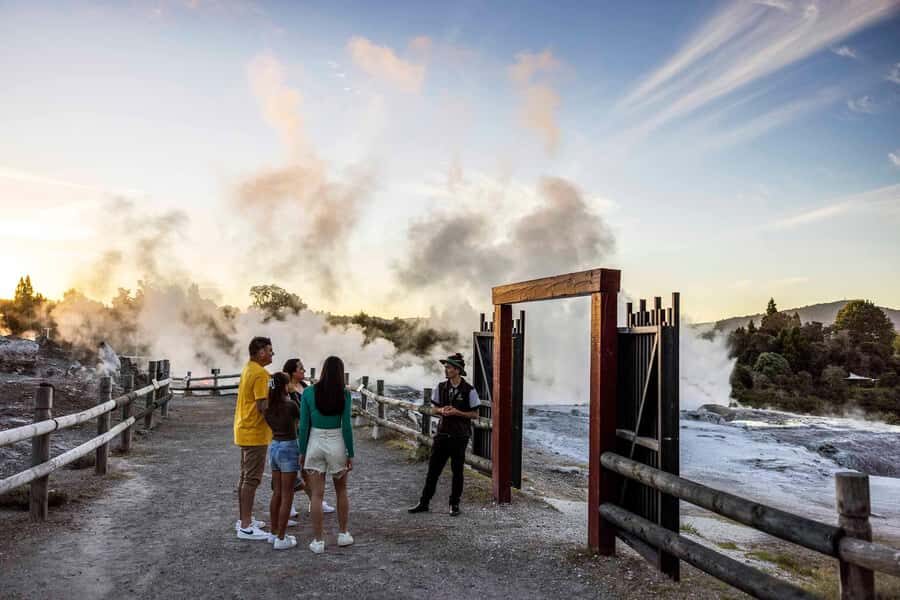
Your day starts at 20 Hemo Road. You’ll exchange your ticket at the starting point and show your confirmation at Admissions. It’s a quick process, but it’s smart to arrive with a few minutes to spare so you’re not rushing before the walk begins.
This tour is offered in English and is led by a live guide. One detail I really appreciate: the group is kept small. The walking experience is limited to 6 participants for the tour style, which usually means more questions and less herding.
The Tuku Iho Trail walk: geothermal paths plus a story you’ll remember
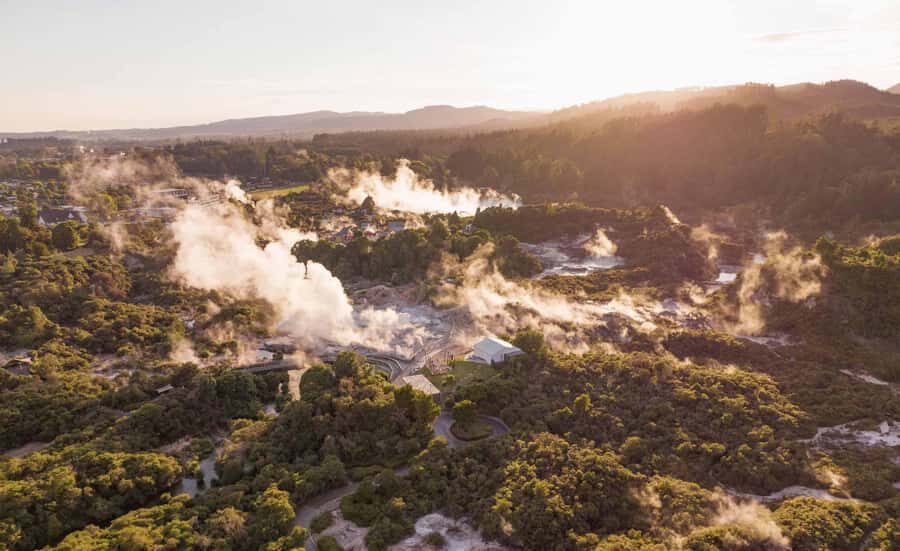
The heart of the experience is your guided journey through hidden areas of the geothermal valley. The walk is described as taking you through bushland and along winding geothermal sinter paths. In plain terms: you’re going to be on your feet on uneven ground that’s part natural footpath, part geothermal site.
The tour also sets expectations up front: it requires a moderate level of fitness. So if you’re short of energy today, plan for slower pacing and bring your patience. On the plus side, you’re not walking for hours. This is about 2.25 hours of guided touring time, with a separate cultural performance added afterward.
Sweetcorn in the hot pool: the experience that makes the valley personal
At some point during the geothermal walk, you’ll get sweetcorn cooked in a hot pool. The story is tied to a legendary figure named Hatupatu, who escaped the mythical birdwoman Kurungaituku.
What I like about this isn’t just the food. It’s the way the guide links the geothermal heat to real historical human use. You learn that ancestors used these hot pools not only for warmth and bathing, but also for cooking. When you taste the corn, the science and the story stop being separate things.
If you’re thinking, will it taste good: it’s sweetcorn cooked by geothermal heat. It’s not a gourmet restaurant dish, but it’s memorable because you’re doing it in context.





Kiwi Conservation Centre: seeing kiwis in a conservation setting
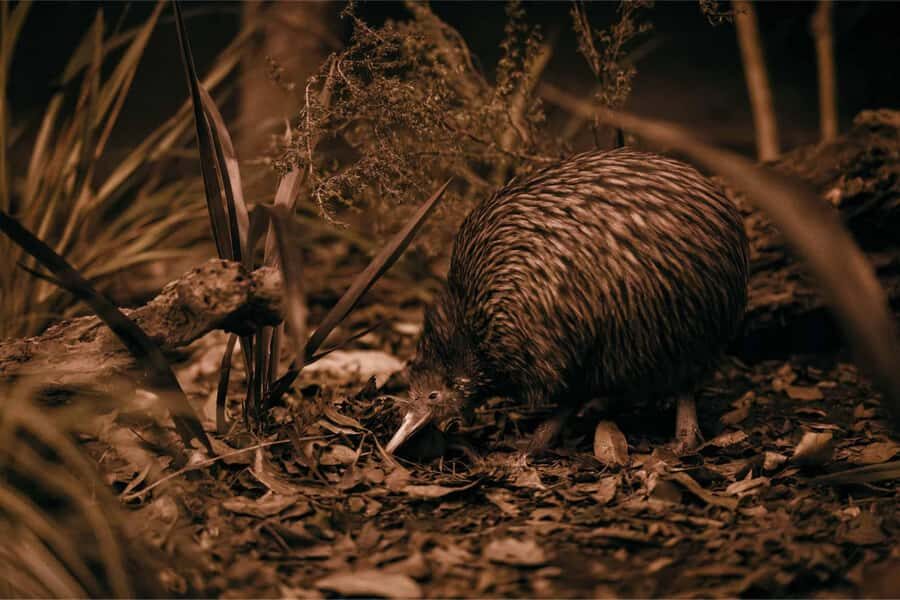
After the geothermal walk, you’ll head to the Kiwi Conservation Centre. The focus here is kiwi birds, and you get to see them as part of this Te Puia experience.
This is one of those “worth the time” stops because it turns Rotorua’s famous theme park energy into conservation reality. You’re not only enjoying sights; you’re also seeing why places like this exist.
If you’re a wildlife lover, this is a nice balance against the boiling steam and mineral smells of the geothermal valley.
Rotowhio marae grounds: culture you enter, not culture you just watch
Next up are the Rotowhio marae grounds. Marae grounds matter in Māori culture, and this stop helps the cultural performance make sense later in the day. The tour experience positions you to understand ancestry and place-based practice tied to the geothermal area.
I like the pacing here. Instead of dropping you into a show and hoping you catch the meaning, you get a chance to shift your mindset first. It also helps if you’re traveling with curiosity about traditions and community rituals, not just performances.
New Zealand Māori Arts and Crafts Institute: what you’re learning is visible
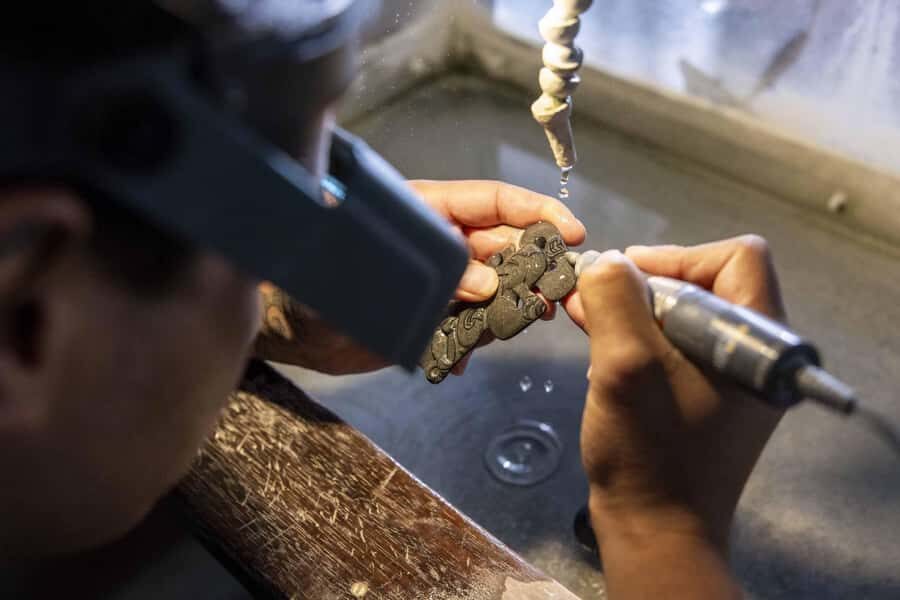
You’ll also visit the New Zealand Māori Arts and Crafts Institute. This stop gives you cultural context in a way that walking tours often miss. Even if you’re not a crafts person, you’ll likely appreciate seeing Māori arts and crafts as part of living culture rather than something frozen in time.
For me, this is where the day stops feeling like a checklist. You begin to understand the performance later at Te Aronui a Rua as more than entertainment. It becomes a continuation of what you’re seeing in the institute.
Cultural performance at Te Aronui a Rua: pōhiri, waiata, poi, haka
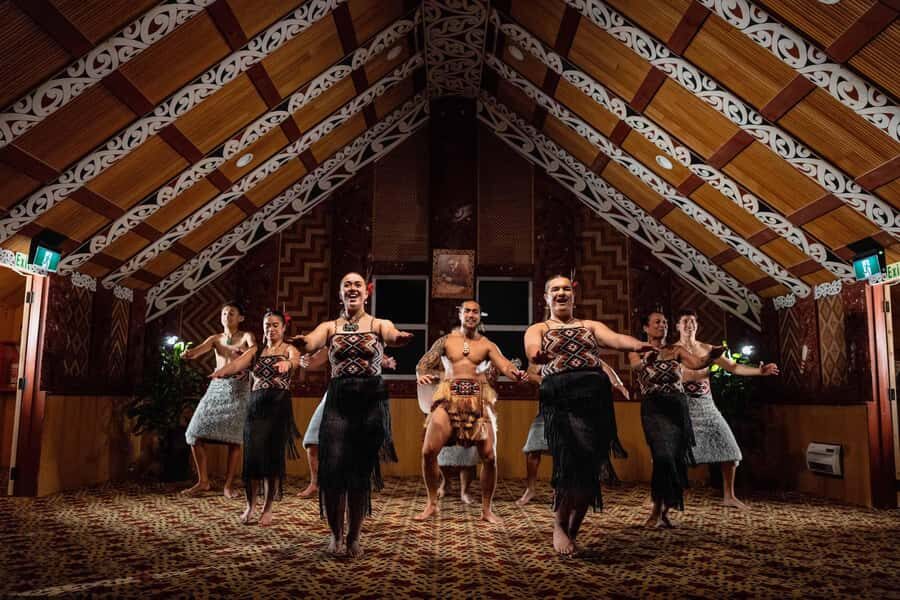
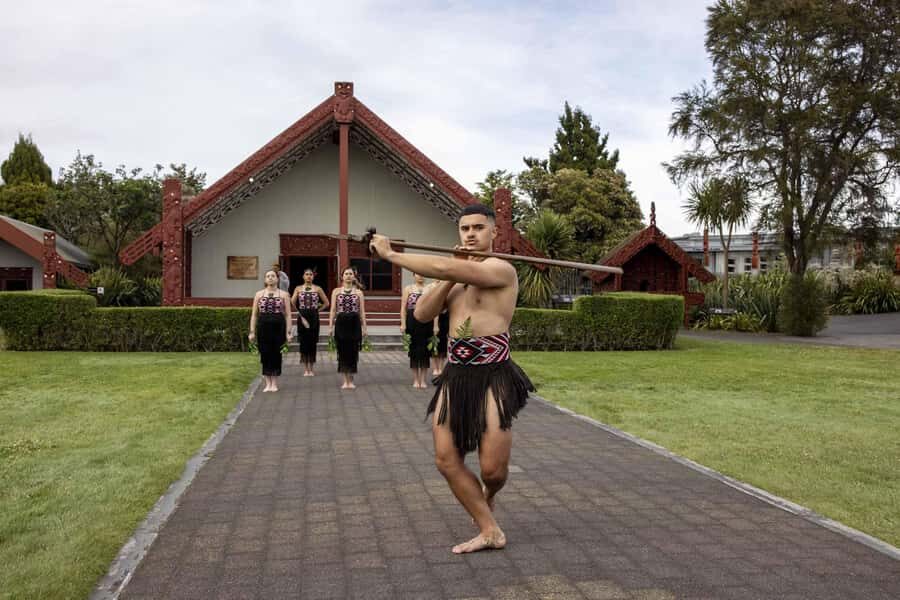
The performance happens in the beautifully carved meeting house, Te Aronui a Rua. It lasts about 30 minutes, and it includes:
- pōhiri (traditional Māori welcome)
- waiata (song)
- mōteatea (traditional chant)
- poi and haka
This is the part of the day that usually sticks with people, and for good reason. The pōhiri isn’t just singing in a room; it’s a structured welcome. Then you move through song and chant, and the poi and haka bring the energy.
A small but real benefit: because the group experience has already walked through the geothermal and culture context, you can follow what’s happening with less guessing.
In one confirmed booking, the guide Paul was praised for storytelling that made the history and area feel connected. That’s a good sign for what you’re likely to get: not just performance, but explanation.
Timing: how a 2.25-hour guide turns into nearly a full experience
The walk and guided touring portion is listed as 2.25 hours, then you add the 30-minute cultural show. So even though one short summary might say 2 hours, plan for a longer stretch of your day with no long breaks in between.
That’s also why it’s such a good “efficient Rotorua taste” option. You can cover geothermal walking, kiwi conservation, Māori cultural context, and a full performance in one go without hopping between unrelated stops on your own.
Small group size: the comfort factor you’ll feel
A key value point here is the limit of 6 participants for the walking tour style, and the tour is capped at 20 participants overall. Smaller groups tend to mean the guide can slow down for questions and help keep everyone together on geothermal paths.
That matters because the site is active and there’s steam. You don’t want a fast-moving stampede through the middle of it. The small size helps you focus on what you’re there for.
What to bring (and what not to bring)
Bring:
- Comfortable shoes
- Camera
- Water
Skip what the tour does not allow, including pets, smoking, vaping, alcohol and drugs, and bare feet. Mobility scooters and electric wheelchairs aren’t allowed, and unaccompanied minors aren’t permitted. If you’re traveling with anyone who needs special supports, double-check suitability ahead of time.
Who this tour is best for
This is a great fit if you want:
- A guided geothermal experience with story and cultural context
- A short, concentrated way to see both kiwis and Māori culture at Te Puia
- A small-group pace rather than a big coach-ride feeling
It’s less ideal if you:
- Have low walking tolerance or struggle with moderate fitness demands
- Need wheelchair access or mobility assistance that the tour doesn’t support
- Prefer a self-guided visit where you control every stop and pace
Should you book Te Puia’s Tuku Iho Trail with Cultural Show?
If you’re visiting Rotorua and you want more than “steam and photos,” I think you’ll enjoy this. The big reason to book is the combination: geothermal tasting + kiwi conservation + Māori cultural performance in one guided flow. It’s not just a sighting tour; it connects place, history, and ceremony in a way that feels more grounded than a typical fast pass.
I’d skip it only if walking on geothermal and bush paths is a problem for you, or if you’d rather spend your time deeper inside one single site instead of covering several in one day.
If your priorities are authentic context and a well-guided experience that doesn’t eat your whole day, this one makes a lot of sense.
FAQ
What is the meeting point for this Te Puia tour?
The tour starts at 20 Hemo Road. Your ticket needs to be exchanged at the starting point, and you’ll show your confirmation at Admissions.
How long is the experience?
The guided tour portion is listed as 2.25 hours, with a cultural performance that lasts about 30 minutes. The overall experience is described as a premium experience lasting about 2 hours 45 minutes.
What’s included besides the guided geothermal walk?
Included stops are the Kiwi Conservation Centre, Rotowhio marae grounds, and the New Zealand Māori Arts and Crafts Institute. You also get a cultural performance at Te Aronui a Rua with pōhiri, waiata, mōteatea, poi, and haka, plus sweetcorn cooked in a hot pool.
Is food included?
Food and drinks are not included as a general category. However, the tour includes sweetcorn samples cooked in the geothermal hot pool.
What should I bring and wear?
Wear comfortable shoes and bring water. A camera can be handy for capturing the geothermal area and the cultural setting. High-heeled shoes, bare feet, and mobility scooters aren’t allowed.
Is the tour suitable for everyone?
The walk needs a moderate level of fitness. It’s not suitable for people with mobility impairments, wheelchair users, visually impaired people, people with low level of fitness, and people over 95 years.