REVIEW · KAIKOURA
Kaikoura: 1-Hour Whale Watching Helicopter Tour
Book on GetYourGuide →Operated by South Pacific Helicopters NZ · Bookable on GetYourGuide
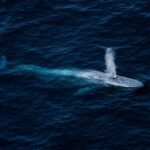
Whales from the sky is wild. I love the small group and seeing whales tip to tail from above. The trade-off: part of the hour is spent flying and doing a mountain landing, not just hovering over whales.
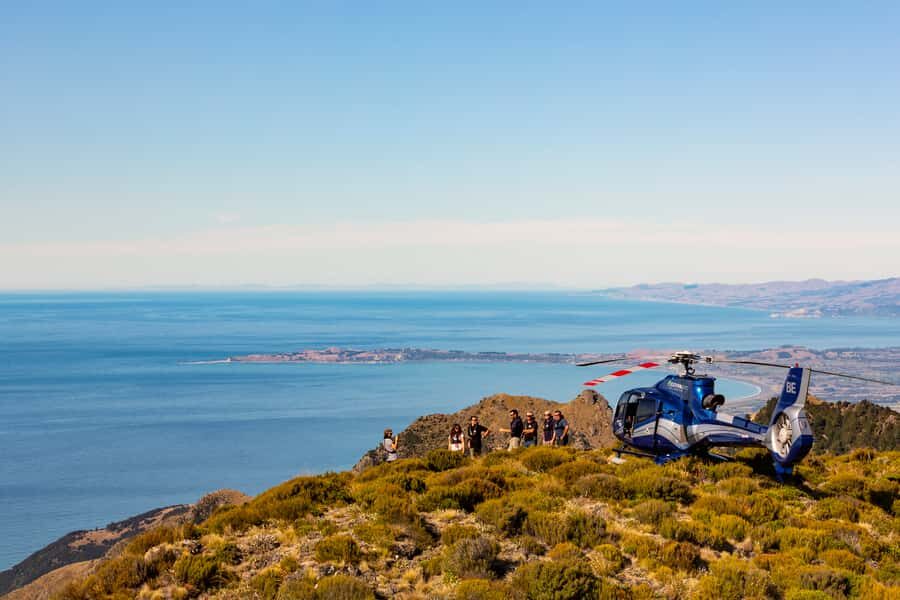
You also get the icing on the cake: a summit landing around Mt Fyffe (about 1,600 meters), with panoramic views down to the peninsula and out across the Pacific. One possible downside is simple—flights depend on favorable weather, so your exact flight time can shift.
In This Review
- Key takeaways before you book
- Kaikoura from the Air: What This 1-Hour Flight Really Delivers
- Wildlife Viewing from Above: Sperm Whales, Dusky Dolphins, and Fur Seals
- The Coastline Leg: Why Watching from the Kaikoura Peninsula Feels Different
- Mt Fyffe Summit Landing: The Part Most People Remember
- In-Flight Guide Style: Local Knowledge You’ll Actually Use
- Photo and Video Reality Check (Rotor Noise, Moving Subjects, Fast Weather)
- Price and What You’re Paying For: Is $792 Worth It?
- Timing, Weather, and Small Logistics That Matter
- Who This Tour Fits Best (And Who Should Skip It)
- Should You Book the 1-Hour Helicopter Whale Tour?
- FAQ
- How long is the Kaikoura 1-hour whale watching helicopter tour?
- Where does the tour start and end?
- What wildlife might I see on this tour?
- Is there a landing during the tour?
- What’s included in the price?
- What should I bring with me?
- Is this tour weather dependent?
- Do I need to be weighed at check-in?
- Who is the tour not suitable for?
Key takeaways before you book
- Sperm whales up top: chances to spot sperm whales over the Whale Sanctuary and Hikurangi Marine Reserve from a high viewing angle
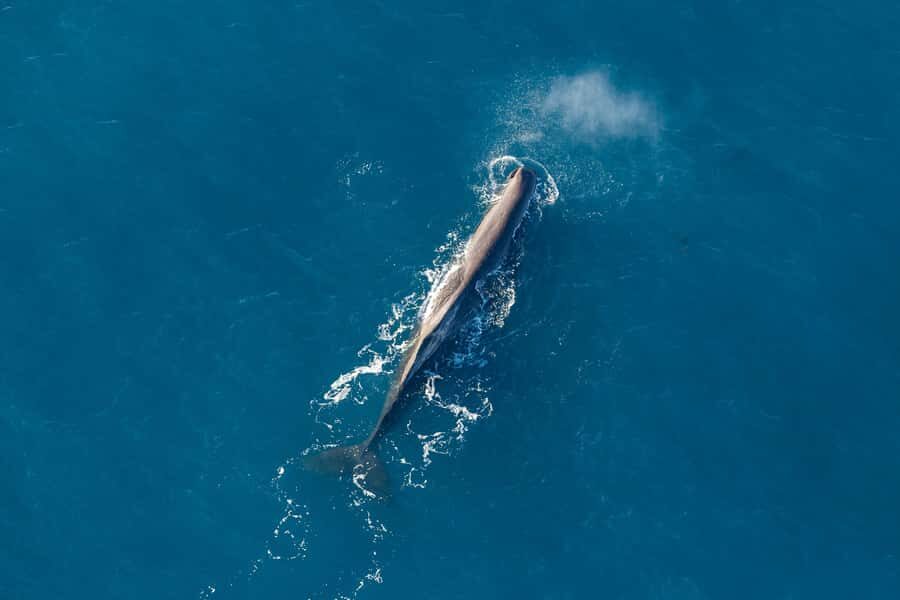
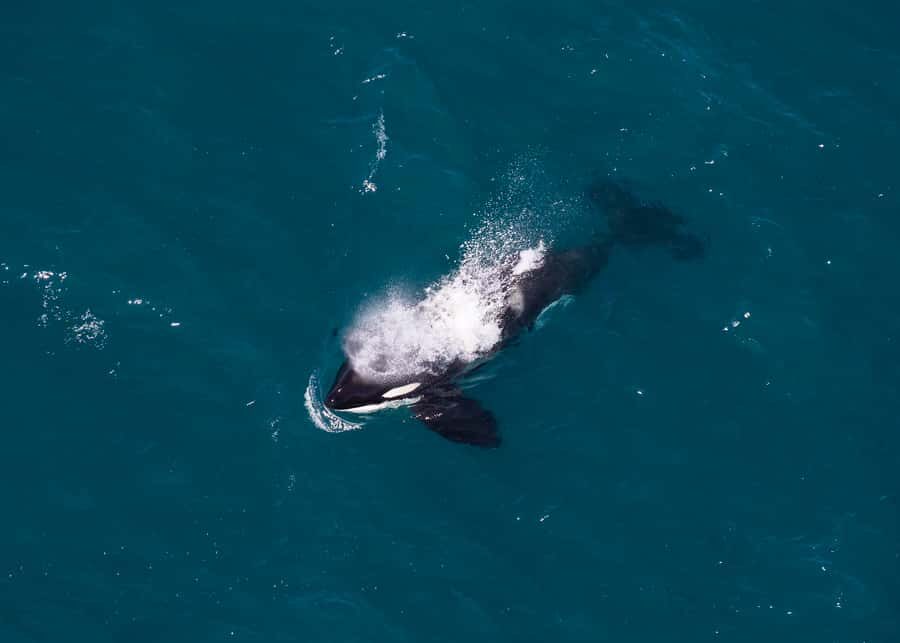
- A full-body view: whales are easier to track when you can see them from tip to tail, rather than only at the surface
- A real summit stop: an alpine landing where you can get out, walk around, and take in wide-range views
- Year-round species context: your pilot explains why sperm whales are a year-round population here, plus the Kaikōura Canyon story
- Weather-sensitive but flexible: the tour runs only in favorable conditions, and timing may change with conditions
- High pilot involvement: expect thorough safety info via headset comms, plus local wildlife knowledge while you fly
Kaikoura from the Air: What This 1-Hour Flight Really Delivers
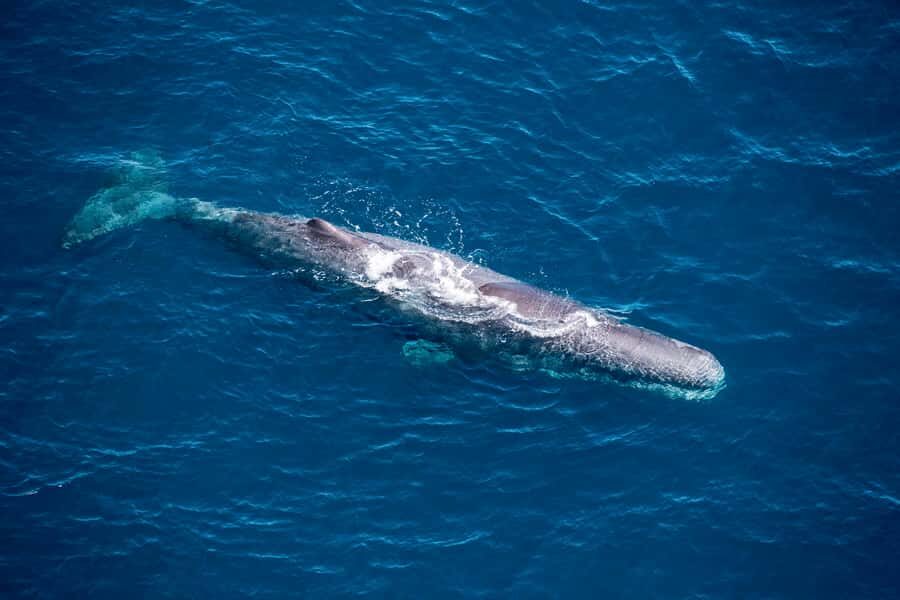
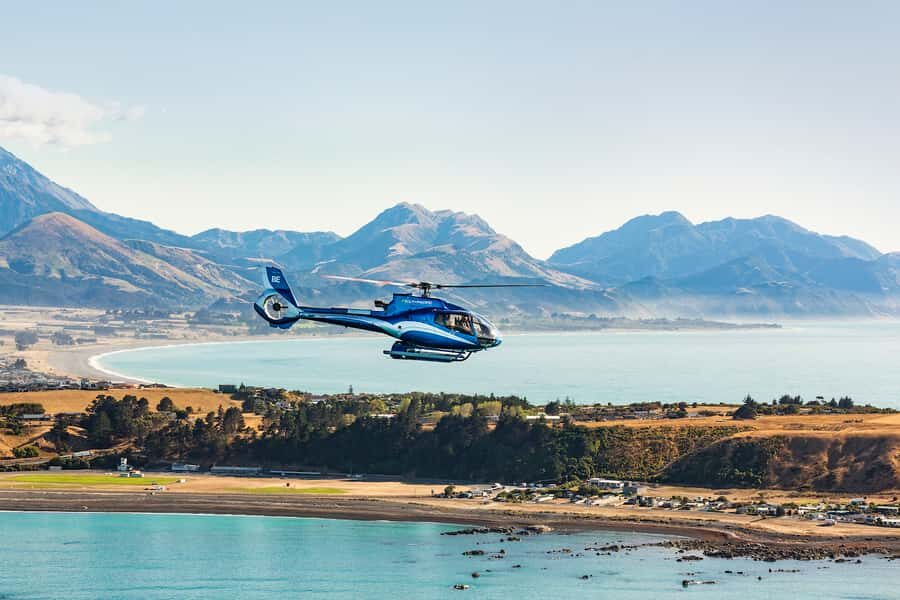
Kaikōura is one of those rare places where the wildlife isn’t a side show. It’s the point. This helicopter tour is built around doing whale watching with a birds-eye advantage, then adding a mountain landing so the experience isn’t just sky time and then back to the airport.
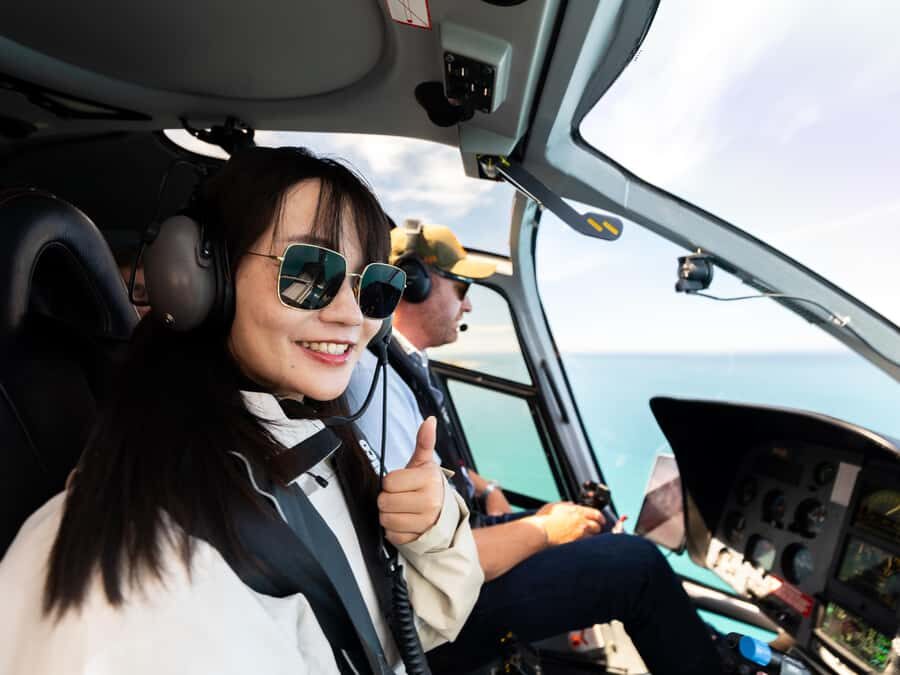
You’ll fly out of Kaikoura Airport with a short safety briefing from the pilot, then put on headsets for two-way communication (and in-flight commentary). The flight is short—just one hour—so you’re not waiting around for the day to get interesting. It’s designed to get you looking quickly, and keep the viewing efficient.
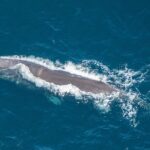
The best part of the format is also the most “helicopter-specific”: you’re not stuck on one angle like a boat can be. From above, you can spot whales and other marine life earlier and track movements longer—especially helpful with animals that spend a lot of time underwater.
A few more Kaikoura tours and experiences worth a look
Wildlife Viewing from Above: Sperm Whales, Dusky Dolphins, and Fur Seals
This tour focuses on a short list of high-value wildlife, and it does so in a smart order. First come the marine reserve areas, then the coastline, then the alpine landing.
Here’s what you can look for:
- Sperm whales: the tour is specifically about encountering the year-round sperm whale population, with explanations about the Kaikōura Canyon and where whales are likely to be in relation to the underwater features
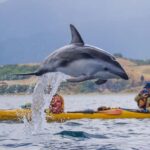
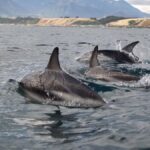
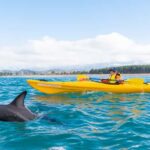
- Dusky dolphins: you’ll scan the coastlines of the Kaikōura Peninsula area for playful pods below
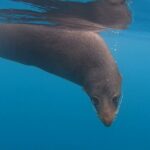
- New Zealand fur seals: also spotted along the route, usually much easier to spot when you can see them from height
You’ll also hear the pilot connect the dots. The in-flight guide isn’t just narrating scenery. They explain what you’re seeing and what whale behavior means—like when animals are about to surface or when a pod is moving through an area. One detail that stands out from the pilot-centered stories: Daniel was praised for being very thorough, including showing safety info in a clear way, and talking wildlife with real precision.
Also, the odds can feel better here than you might expect. I like that the tour concept includes coordination—one account mentioned that other pilots and boat operators share spotting info, so you’re not starting from zero.
The Coastline Leg: Why Watching from the Kaikoura Peninsula Feels Different
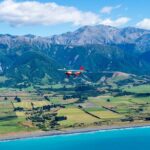
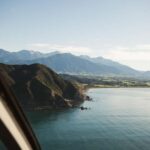
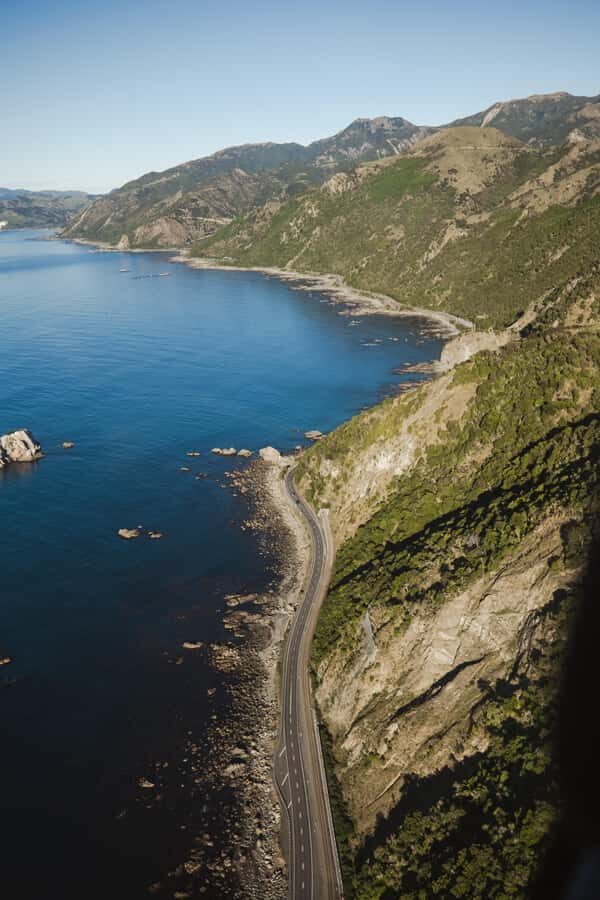
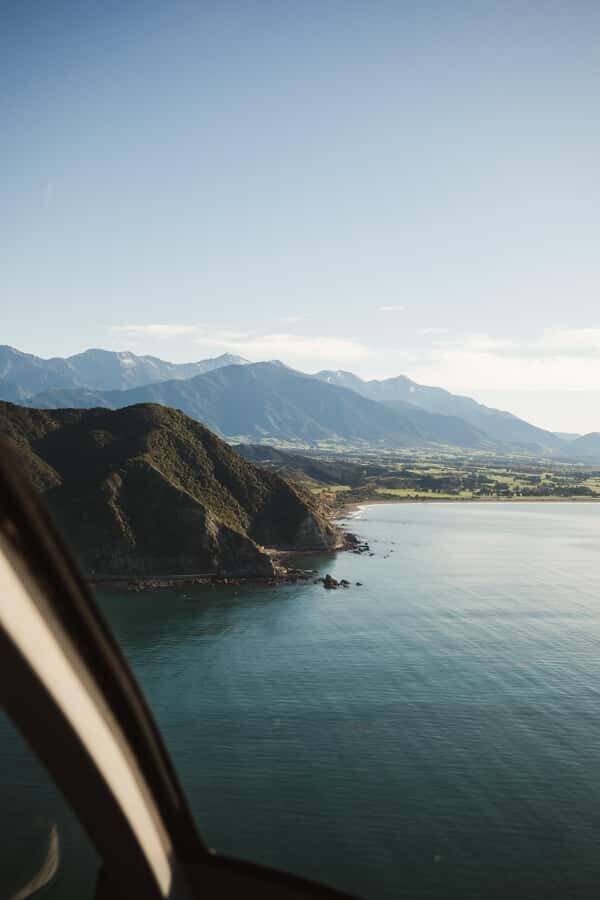
The coastline segment is where the helicopter earns its keep. You’re traveling along the Kaikōura Peninsula, which means you can cover more coastline quickly, and you get changing views as the aircraft moves.
This matters because marine wildlife isn’t spread out like a theme park display. Animals shift, surface in unpredictable patterns, and often move after feeding or social behavior. From a higher vantage point, you’re more likely to catch the animals when they’re visible and also maintain orientation when they submerge.
If you’re the type who gets antsy on long tours, this part helps. You’re actively scanning the water and can react when the pilot points out a target. It’s not just sit and hope.
Mt Fyffe Summit Landing: The Part Most People Remember
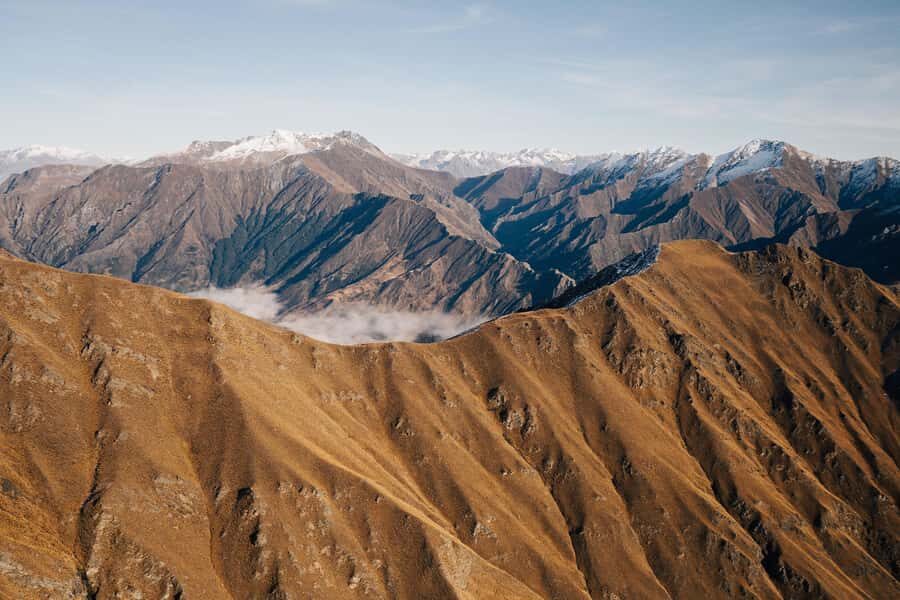
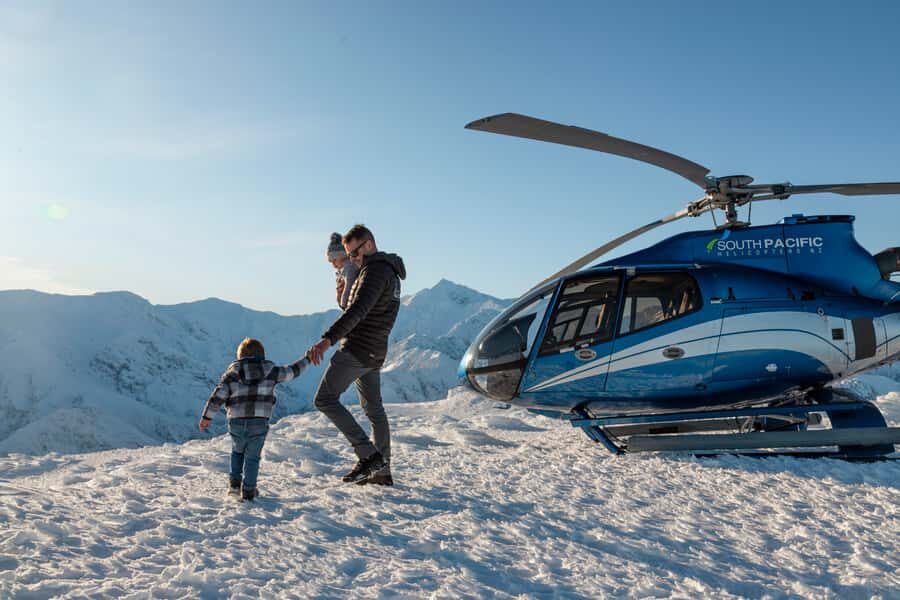
Many whale tours stay on the water or stay in the air. This one adds a landing among the peaks of the Seaward Kaikōura Mountain Ranges. You get out, walk around, and enjoy wide vistas—mountains, peninsula, and a big open view of the Pacific.
The summit is around Mt Fyffe (about 1,600 meters), so it feels like an entirely different world from the coast. You’ll also hear that there can be snow landings at certain times of the year. Even if snow isn’t in the forecast, expect cooler air up there than you’re used to at sea level.
Why does this matter for value? Because it changes your brain’s experience from “wildlife sightseeing” to “place-based sightseeing.” You’re not only watching animals—you’re seeing why Kaikōura is special: a coastline where ocean and mountains are close enough to feel dramatic in one short flight.
One small heads-up: a critique I’d take seriously is that the tour isn’t purely whale watching the whole time. The mountain landing and flight segments are part of the package, so if you came only for nonstop whale spotting, you might feel the schedule is slightly broader than the title suggests.
In-Flight Guide Style: Local Knowledge You’ll Actually Use
The pilot is a key part of why people rate this so highly. In accounts from the field, pilots like Daniel and Peter were praised not just for smooth flying, but for explaining what’s happening—and doing it clearly.
Here’s the practical value of that:
- You’re not only told what the wildlife is; you’re taught how to watch for behavior and timing
- You learn that observations are done with attention to Marine Mammal regulations and a low-disruption approach
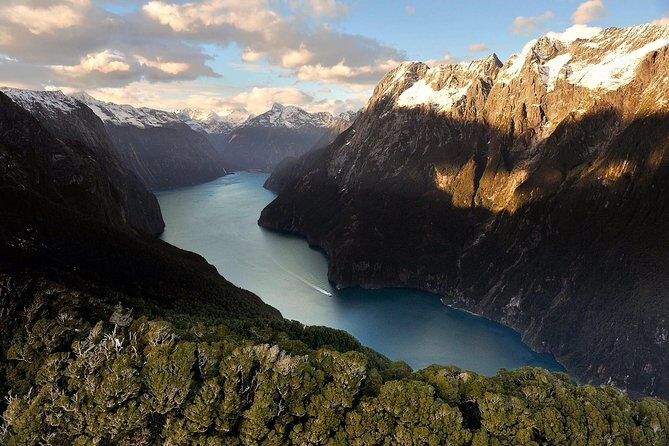
- You get context for Kaikōura’s underwater setting, including the Kaikōura Canyon and why it matters
In one story, the pilot even counted down the exact timing when a sperm whale went under, giving passengers a moment of anticipation instead of random staring. That’s the difference between seeing wildlife and learning how to see wildlife.
There’s also a “Kaikōura geology” angle that shows up on some flights. One review mentioned the pilot flew by the earthquake-related features such as the fault-line and landslide area, plus a barrier lake. That kind of side story can make the flight feel like more than wildlife pursuit.
You can also read our reviews of more whale watching tours in Kaikoura

Photo and Video Reality Check (Rotor Noise, Moving Subjects, Fast Weather)
If you’re bringing a camera, plan for real-world conditions. A helicopter means vibrations, moving subject matter, and wind off the ocean. That’s normal.
One account included a thoughtful photo question about telephoto settings. Their guess: faster shutter speeds, using Tv mode, and relying on auto ISO—ideas that make sense when you’re trying to freeze movement from both the aircraft and the animal.
My practical advice:
- Use a shutter speed you can trust, not one that’s too slow
- Consider burst mode if your camera allows it
- Expect some shots to be “good enough,” and keep your eyes up for the best viewing moment
And yes, you might still catch those classic full-body whale views—because that’s one of the core reasons people love this style of viewing.
Price and What You’re Paying For: Is $792 Worth It?
At $792 per person, this is a splurge. No sugarcoating. So the question isn’t whether it’s expensive. It’s whether you’re buying something different from the usual whale options.
You are buying:
- A full hour of aerial viewing in a high-wildlife zone
- Mountains-to-ocean views with a summit landing and time on rugged ground
- Headsets and life jackets, plus real-time flight tracking
- Small group size (limited to 6 participants), which usually means better attention from your pilot
- The chance to see whales in a way that’s harder from shore or from a boat—tip to tail viewing is the big promise here
If you’re doing Kaikōura as a one-time stop in New Zealand and you really value wildlife encounters, the helicopter format can feel like paying for access and time. If you’re cost-sensitive or you’re chasing the cheapest way to see whales, this will likely feel hard to justify.
The best mindset is to treat it like a “once in a while” activity, not a casual add-on.
Timing, Weather, and Small Logistics That Matter
This is where good planning helps you enjoy the day more.
Weather matters. Flights are subject to favorable weather conditions, and the date and/or time may be different from what you requested. In practice, that means you shouldn’t schedule this as your only big plan with zero flexibility.
You’ll be weighed at check-in. It’s due to aircraft weight restrictions. This isn’t a vague policy—it’s something you should be ready for when you arrive.
Also consider this:
- The tour is not suitable for people prone to seasickness, which makes sense given the flight and how people feel in an aircraft setting
- The tour is listed as wheelchair accessible, but it’s also noted as not suitable for people with mobility impairments. If you’re borderline, ask before you go so you don’t end up with an unpleasant surprise
What to bring is straightforward:
- Warm clothing (especially for the summit stop)
- Comfortable shoes for walking on rugged ground
- Sunglasses and a hat
- Camera
- Water
And because food and drinks aren’t included, I’d pack water and plan to eat before or after your flight. Warm air by the coast can fool you—up top, the temperature can bite.
Who This Tour Fits Best (And Who Should Skip It)
This is a great fit if you:
- Want whale watching with maximum viewing efficiency in a short time
- Prefer wildlife viewing from above and love the idea of full-body animal spotting
- Value a guided, in-flight explanation rather than silence and luck
- Are okay paying a premium for a small group and a summit landing
It may not fit you if:
- You need something that’s purely relaxed and low-stress—weather changes can happen, and the day can feel time-sensitive
- You’re sensitive to motion or you have a history of seasickness
- You have mobility limits that make rugged mountain walking difficult
- You’re traveling with kids under 8 years (not suitable)
Should You Book the 1-Hour Helicopter Whale Tour?
Book it if you want a high-impact wildlife experience that mixes marine mammals and alpine views in just one hour. The summit landing adds real payoff, and the pilot-led explanations can turn a short flight into real learning.
Skip it if your priorities are strict nonstop whale viewing only, you don’t have flexible timing for weather, or the cost doesn’t fit your travel style. At $792, you’re paying for access, viewing angle, and a very specific experience design—not just a chance to see whales.
If you’re doing Kaikōura and you care about seeing sperm whales (and the supporting cast of dolphins and fur seals) with expert guidance, this is a strong bet.
FAQ
How long is the Kaikoura 1-hour whale watching helicopter tour?
The flight experience lasts 1 hour, including the guided flight and the mountain summit landing.
Where does the tour start and end?
The tour starts at Kaikoura Airport Terminal, 617 State Highway 1, Peketa, Kaikoura, and you return to the same airport.
What wildlife might I see on this tour?
You may spot sperm whales, dusky dolphins, and New Zealand fur seals while flying along the designated marine areas and coastline.
Is there a landing during the tour?
Yes. The tour includes a mountain summit landing at the Seaward Kaikōura Mountain Ranges area, with time to walk around and take in the views.
What’s included in the price?
Included: the 1-hour helicopter flight, mountain summit landing, in-flight commentary, an experienced pilot, headsets, life jackets, and real-time flight tracking.
What should I bring with me?
Bring comfortable shoes, warm clothing, sunglasses, a sun hat, a camera, and water.
Is this tour weather dependent?
Yes. Flights run only under favorable weather conditions, and the date and/or time may change from what you requested.
Do I need to be weighed at check-in?
Yes. Because of aircraft weight restrictions, all travelers must be weighed at check-in.
Who is the tour not suitable for?
It’s not suitable for children under 8, people with mobility impairments, and people prone to seasickness.