REVIEW · KAIKOURA
Double Boat Dive with Equipment
Book on GetYourGuide →Operated by Daves' Diving Kaikoura · Bookable on GetYourGuide
One sentence of hook: Kaikoura gives you sea and scenery at once. This is a two-boat, small-group scuba outing that pairs mountain views meeting the ocean with a full run of underwater life in cold water. I especially like the way the trip focuses on what you can actually see—kelp and seaweed walls in red, orange, purple, green, and brown—then backs it up with chances at octopus, moki, blue cod, wrasse, butterfish, and even fur seals. One thing to weigh: the conditions are cold and often low-visibility, so you need to enjoy the experience for wildlife and form, not just crystal-clear photos.
I also like the pacing: you get two separate one-hour underwater sessions with a real break in between. That structure helps you reset, dry off, and be ready for round two without rushing your brain or your gear. With a maximum of 4 participants and an English live guide, you’ll get a calmer, more hands-on feel than bigger operations.
Finally, this one is only for certified divers and it runs only when there are enough people to operate. Weather matters too—if the sea won’t cooperate, you’ll get a full refund instead of a compromised outing.
In This Review
- Key things to love about Kaikoura’s two-boat scuba plan
- Kaikoura’s mountain-meets-sea approach: what the boat time feels like
- Two one-hour underwater sessions: how the day is built
- What you’ll actually see under the water: kelp, seaweed, and rocky reefs
- The fish cast: octopus, moki, blue cod, wrasse, and butterfish
- Crayfish, paua, kina beds, and nudibranchs: the small stuff worth slowing down for
- Cold water and low visibility: what you need to know before you go
- The one-hour break in Kaikoura: using the gap wisely
- Transfers and timing: how the 5 hours fit together
- Who this Kaikoura outing is best for
- Value check: small group plus gear plus two chances
- Should you book this two-boat Kaikoura scuba experience?
- FAQ
- How long is the Kaikoura two-boat scuba experience?
- How many underwater sessions are included?
- Is this suitable for non-certified divers?
- What are the conditions like underwater?
- How big is the group?
- What happens if weather conditions are poor?
Key things to love about Kaikoura’s two-boat scuba plan
- Two separate underwater sessions for more time with marine life (not just one quick stop)
- Cold-water marine habitat with kelps and seaweeds in a wide range of colors
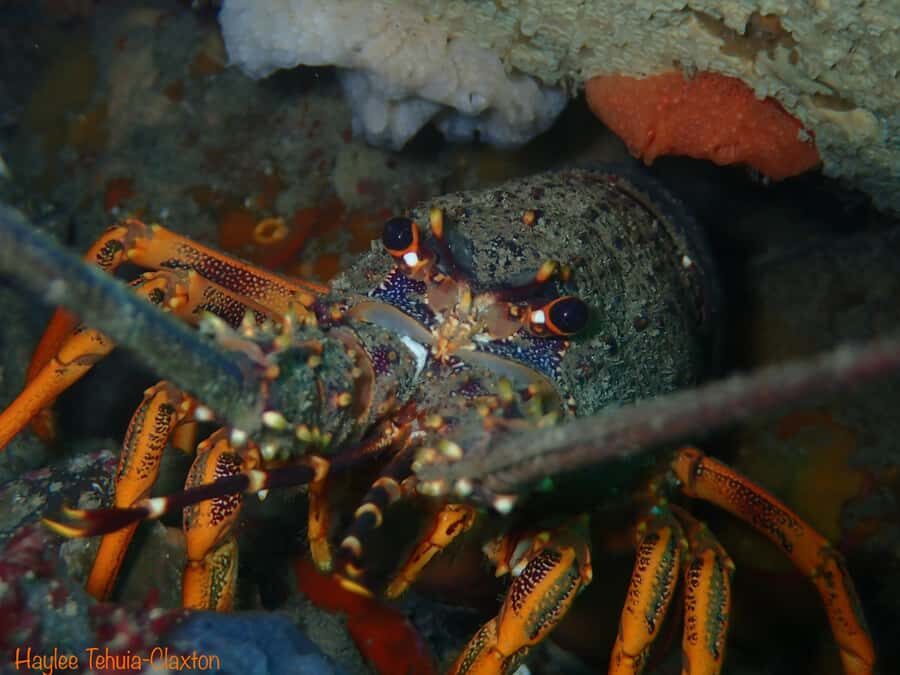
- Rocky-reef finds like crayfish, paua, and kina beds you can search for up close
- Macro-life sightings such as nudibranchs when conditions allow
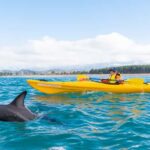
- Wildlife on the surface or near you, including the chance of fur seals joining your bubbles
- Small group size (max 4) that makes briefing and buoyancy checks easier
Kaikoura’s mountain-meets-sea approach: what the boat time feels like
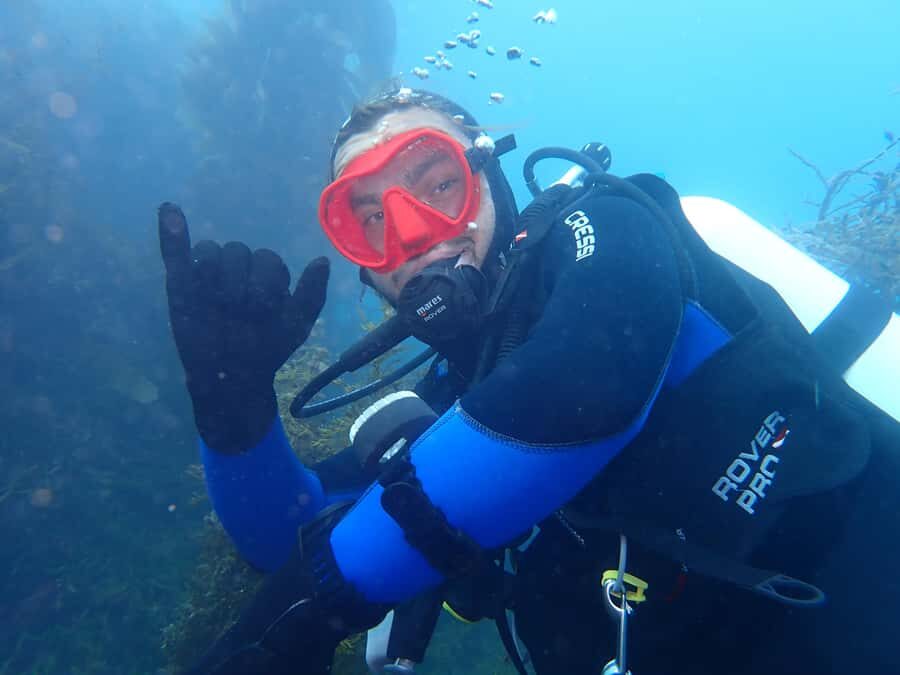
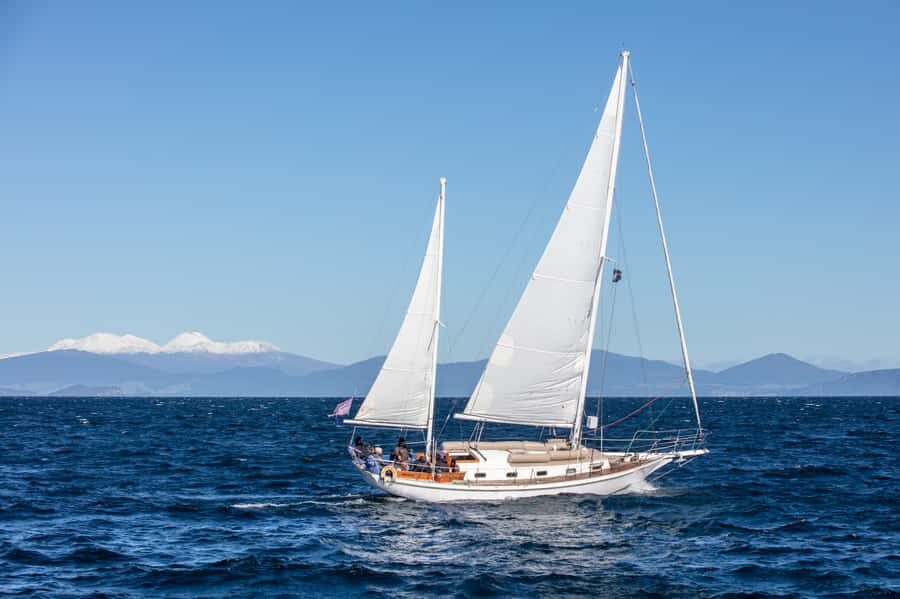
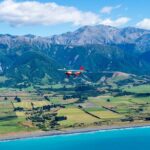
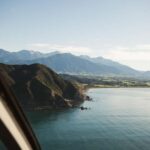
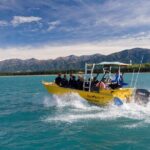
Kaikoura’s coastline has a dramatic look even before you’re suited up. As you head out toward the dive areas, you get that classic South Island sight line: steep mountains meeting the sea. It’s the kind of view that makes the trip feel bigger than just a morning activity.
The timing also matters. You start at 38 West End, then you’re moving through short transfers before you arrive in the Kaikoura area. By the time you’re on the water, you’ve had enough time to get organized, listen to the guide’s plan, and mentally shift from road-mode to water-mode.
Even if you’re not the type to stare at scenery, this part works. A lot of scuba success comes from being relaxed on the surface. When you’ve got mountains as a backdrop, you tend to slow down instead of rushing the first descent.
You can also read our reviews of more boat tours in Kaikoura
Two one-hour underwater sessions: how the day is built
This outing is set up like a “double feature,” with two one-hour underwater sessions separated by a break. That means you’re not banking everything on a single location or a single set of conditions. If visibility is challenging one time, you still have a second shot later in the day.
Each session is focused on rocky habitat and the life that lives on and around it. The guide’s job is to keep you on the right areas and moving safely, while also giving you time to look. The best moments here tend to come from slow scanning: checking crevices, watching for movement around kelp, and using your light and position to see what’s close.
Between the sessions, you’ll have a one-hour break. That’s not just “wait around.” It’s your window to warm up, re-check comfort, and be ready for the second hour rather than dragging through it.
What you’ll actually see under the water: kelp, seaweed, and rocky reefs
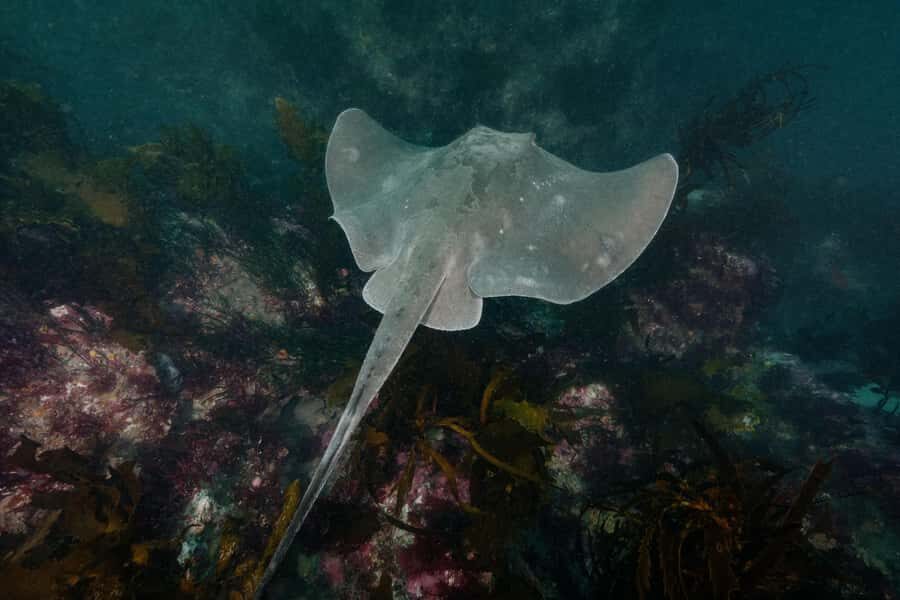
Kaikoura’s underwater world is built around kelps and seaweeds. The result is an underwater “garden” draped over rocky reefs, with colors that range from reds and oranges to purples, greens, and browns. Even when visibility isn’t great, those textures still show up because the habitat is right there in front of you.
This matters for two reasons:
First, the environment provides structure. Instead of a flat sand bottom where everything blends together, kelp holds shadows, edges, and hiding places. That structure creates wildlife opportunities.
Second, it makes the experience feel active even in low-visibility conditions. You can still find movement by tracking shapes against darker rock, following the line of kelp, and watching for flashes of fish near the boundary where plant life meets stone.
Expect rocky areas and places where small life can cling or shelter. That’s where you’ll do most of your focused looking.
The fish cast: octopus, moki, blue cod, wrasse, and butterfish
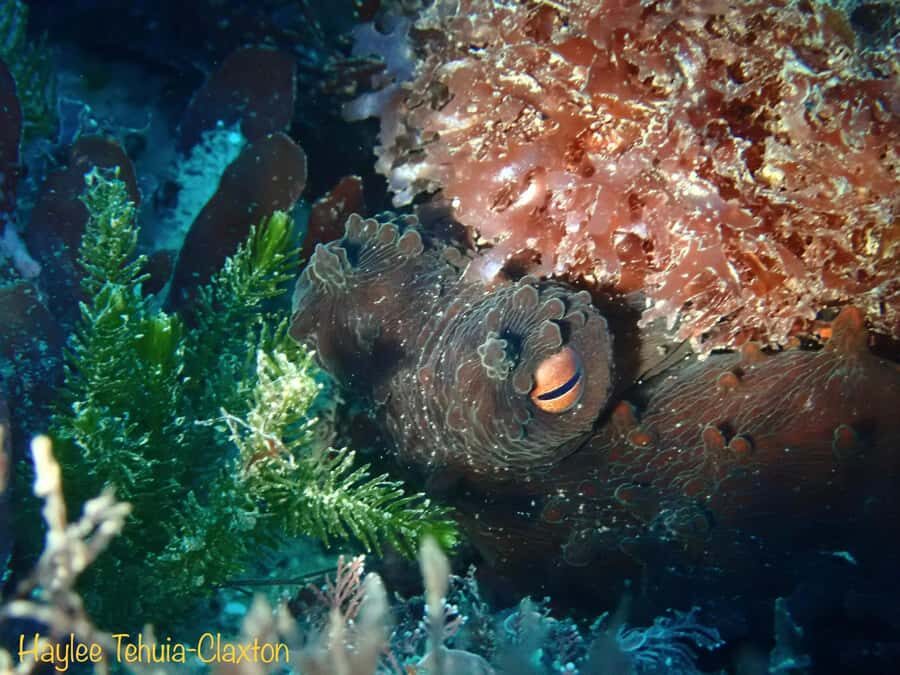
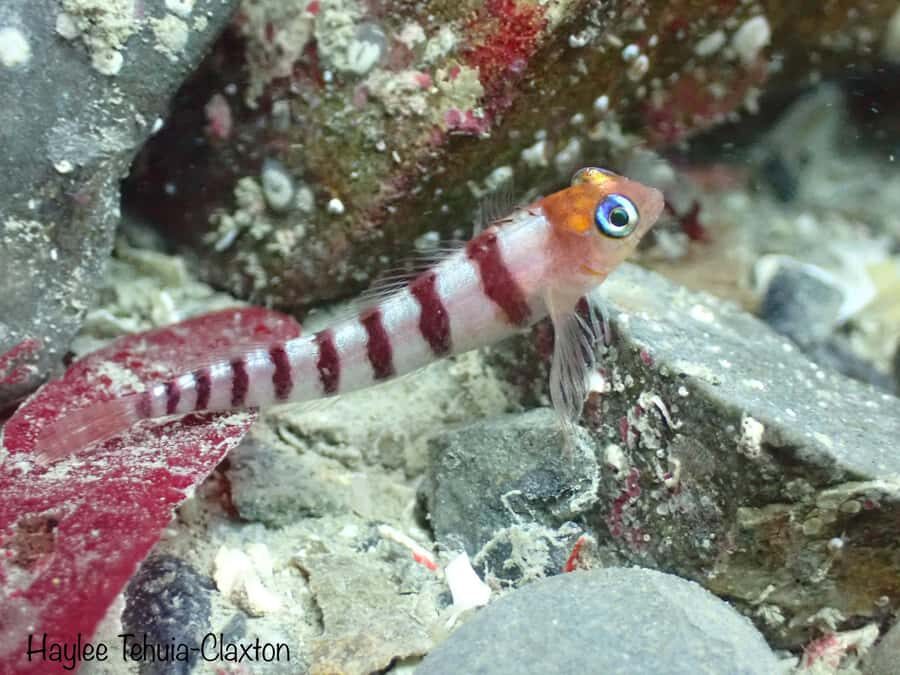
The underwater plan is built around native species you can actually encounter. You might see octopus, moki, blue cod, wrasse, and butterfish during the sessions. You may also spot schooling baitfish drifting through at times.
None of this is guaranteed—cold-water conditions and visibility can change what’s easy to spot—but these are the kinds of species the area is known for, and that’s why the route and timing are planned the way they are.
For me, the value isn’t just name-dropping fish. It’s the chance to see how they use the habitat:
- baitfish often show up as quick movement near structure
- predators like larger reef fish tend to hold around edges
- octopus and other bottom life often reveal themselves when you pause and look into the details of rock and kelp
If you’re a photographer, this habitat will still work even if the water is not perfectly clear. You can frame on shape and color bands from kelp, then use openings around rocks for fish silhouettes.
Crayfish, paua, kina beds, and nudibranchs: the small stuff worth slowing down for
The big fish are fun. But the most satisfying moments on this kind of trip often come from the smaller things you can spot when you slow down.
You can look for hidden treasures among the rocks, including crayfish, paua, and kina beds. These are the kinds of “on the substrate” finds that reward careful buoyancy and controlled finning. If you’re hovering well and not kicking up silt, you’ll see more.
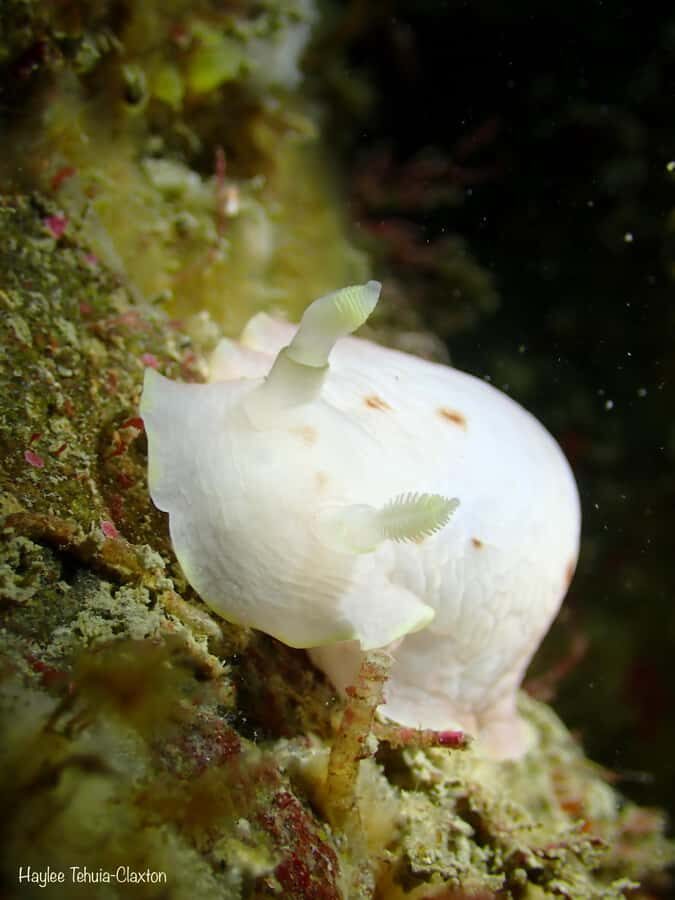
Then there’s the macro-life angle. Nudibranchs are part of the mix when conditions allow. That means you should be ready to spend a little time on hands-and-knees style observation—without going near anything you shouldn’t touch. In cold water, moving slower also helps you last through the session comfortably.
Practical tip: bring your attention, not your hands. Let the animals come to you through calm positioning and patient scanning.

Cold water and low visibility: what you need to know before you go
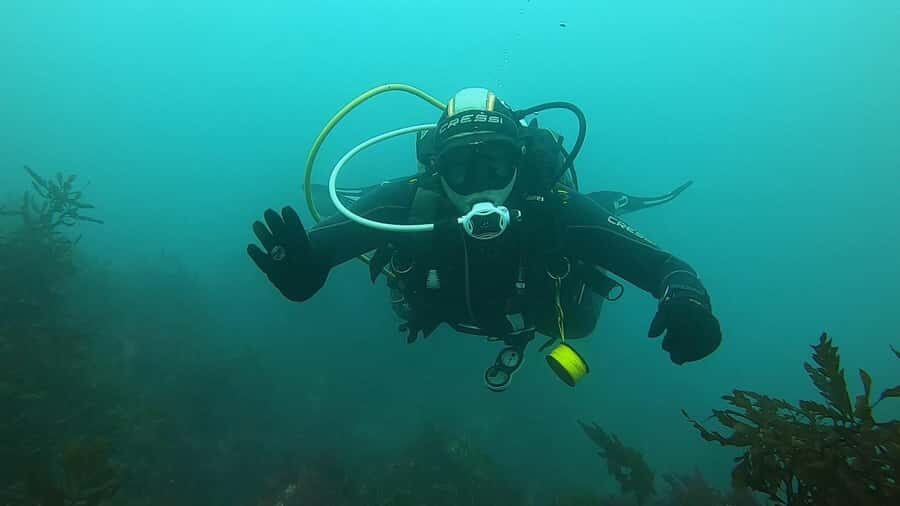
This outing is cold water diving, and visibility is typically low. That combination changes how you enjoy the underwater experience.
Instead of expecting long-distance views, expect close-up encounters. Think “wildlife inspection” more than “cinematic panorama.” Your body also needs to adjust. Cold water can affect how your hands feel, how quickly you move, and how quickly you want to rush. Go slower than feels natural.
Here’s what helps most:
- Keep fin movements small and controlled
- Stay neutrally buoyant so you don’t stir up particles
- Use your lights if you have them and if your setup allows
- Don’t panic if you lose the scene in front of you—focus on the habitat edges you can still read
And because it’s weather dependent, your day is at the mercy of sea conditions. If the trip can’t operate due to poor sea conditions, you’ll get a full refund. In other words, the operator would rather cancel than send you out into rough water.
The one-hour break in Kaikoura: using the gap wisely
That one-hour break between sessions is surprisingly important. Cold water can make you feel “okay” at the surface, then tired fast once you’re back onboard. Warm up, hydrate, and let your breathing settle before you gear up again.
This break also gives you a chance to mentally map what you saw in the first session. If you noticed where kelp gathers or where you kept spotting fish, you can compare that to the second site. Even without knowing the exact plan in advance, you can go into round two with better focus.
I’d treat the break like a mini recovery period, not free time to get casual and forget you’ll be suited again soon. Bring layers. Keep your core warm. Cold air is sneaky.
Transfers and timing: how the 5 hours fit together
Overall duration is about 5 hours from start to finish. That includes transfers and both underwater sessions. You’ll start at 38 West End, spend time getting to the water, complete your first one-hour session, have the one-hour break, do your second one-hour session, then return via the remaining transfers back to where you started.
Why this matters: a tight schedule can either feel rushed or feel efficient. Here, the split-session design makes it efficient without turning it into “all hurry, no looking.” Two separate underwater hours means you’re not forced to cram everything into the best-looking minutes.
Still, it’s a short day for the amount of underwater time. That’s good value in energy terms: you’re doing real water time, but you’re not stuck on the road all day.
Who this Kaikoura outing is best for
This is for certified divers only. If you don’t have scuba certification, this isn’t the right fit.
It also suits people who enjoy cold-water conditions and like underwater nature more than speed. If you prefer clear warm-water lagoons where you can sightsee without thinking, this may feel tougher. But if you can handle cold gear comfort and you’re excited about native species and rocky habitat, you’ll likely love it.
The small group size—limited to 4 participants—also helps. Less crowding means fewer boatside and water-control issues, and you can usually get clearer communication during briefings and underwater check-ins.
Value check: small group plus gear plus two chances
When you look at value, the big wins here aren’t just the wildlife. It’s the format.
You’re getting:
- two separate underwater sessions
- a break that prevents you from cooking yourself between hours
- equipment included as part of this with-equipment option
- a live English guide
- small group size (up to 4)
In practical terms, that combo gives you more “looking time” and less wasted time. Even in low visibility, having the second session means you get another moment to find what you missed the first time—whether that’s a nudibranch, a tucked-away shell-dweller, or a quick octopus sighting.
Should you book this two-boat Kaikoura scuba experience?
Book it if you want a Kaikoura-focused underwater day that leans into rocky habitat life, kelp forests, and native species like octopus, moki, blue cod, wrasse, and butterfish. You’ll also appreciate it if you enjoy the idea of spotting crayfish, paua, kina beds, and nudibranchs by slowing down and paying attention.
Skip it if cold water and low visibility sound like a dealbreaker. This is not built for easy sight-seeing through crystal-clear water. It’s built for wildlife encounters in conditions that require patience.
If you’re certified, comfortable with colder temps, and you like small-group guidance, this one has a strong chance of being your kind of Kaikoura day.
FAQ
How long is the Kaikoura two-boat scuba experience?
The total duration is 5 hours.
How many underwater sessions are included?
There are two one-hour scuba sessions, with a one-hour break in between.
Is this suitable for non-certified divers?
No. It is not suitable for divers without certification.
What are the conditions like underwater?
It’s cold water and typically low visibility diving, so you should expect limited visibility.
How big is the group?
The group is small, limited to 4 participants.
What happens if weather conditions are poor?
Trips are weather dependent. If the tour cannot operate due to poor sea conditions, you receive a full refund.