REVIEW · MOUNT COOK
Mount Cook Scenic 35 Minute Helicopter Flight
Book on Viator →Operated by Glacier Helicopters · Bookable on Viator
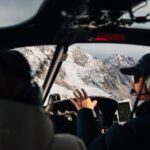
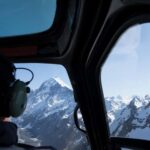
The Southern Alps look unreal from the sky. This 35-minute scenic helicopter outing around Aoraki / Mount Cook gets you above the big names—the lower Tasman Glacier and the Liebig mountain range—then adds an alpine landing so you’re not just watching from the air.
I love that you get a pilot guide with live commentary, so the flight turns into more than sight-seeing. I also really like the value of the time: in about half an hour you’re far from crowds, staring at the kind of wilderness that’s hard to picture until you’re up there.
One consideration: the ride depends on good weather. If conditions are off, your flight may be rescheduled or refunded, so it’s smart to keep your Mount Cook plans flexible.
In This Review
- Key Things to Know Before You Fly
- Why Flying Over Aoraki / Mount Cook Feels Different Than the Usual Views
- The 35-Minute Timeline: How the Time Gets Used
- Price and Value: What $308.70 Buys You in Real Terms
- Getting to the Start Point at Aoraki / Mount Cook National Park
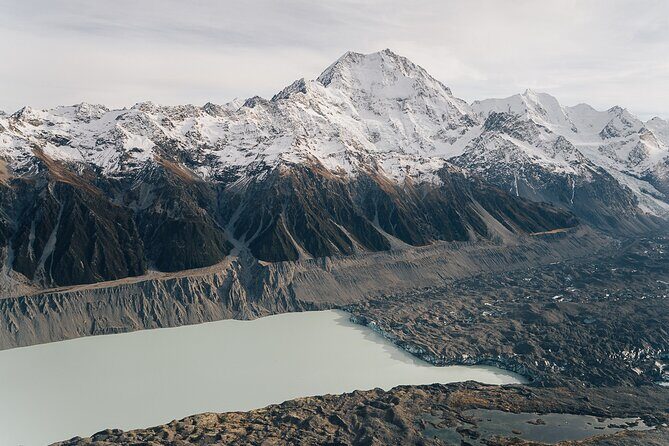
- Over the Lower Tasman Glacier: What You’ll Actually Notice From Above
- The Alpine Landing Stop: Why 10 Minutes Can Feel Like 10 Lifetimes
- Live Pilot Guide Commentary: Turning Seats Into a Lesson
- Small Group Size (Up to 6): More Comfortable, Less Like a Production
- Smooth Flight Feel: What to Expect in the Cabin
- Weather Rules: How to Plan for Mount Cook Helicopter Reality
- Who This Flight Is Best For (And Who Should Skip It)
- Should You Book the Mount Cook Scenic 35 Minute Helicopter Flight?
- FAQ
- How long is the Mount Cook scenic helicopter flight?
- What’s included in the tour price?
- Where do I meet for the flight?
- What if the weather is poor?
- What is the cancellation policy?
- Is there a passenger weight limit?
Key Things to Know Before You Fly
- 35 minutes total: flight time plus the alpine landing stop
- Alpine landing included: you’ll actually step onto the mountain snow/ice area for short panoramic time
- Small group size (max 6): more space for questions and a calmer cabin vibe
- Live commentary on board: the pilot/pilot guide adds context while you’re flying
- Passenger weight limit: 441 lbs per passenger
- Good-weather required: expect itinerary changes if visibility or conditions are unsafe
Why Flying Over Aoraki / Mount Cook Feels Different Than the Usual Views
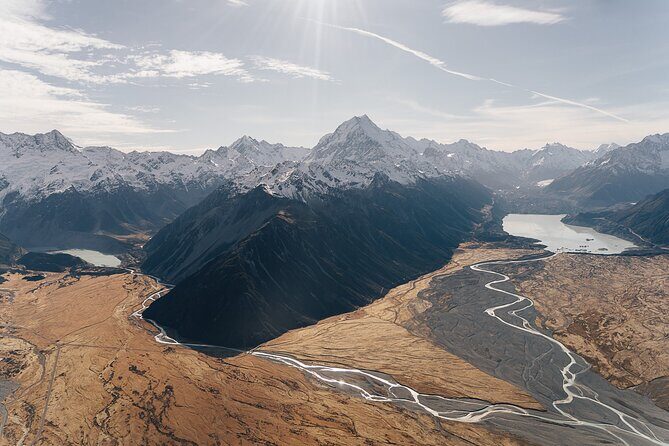
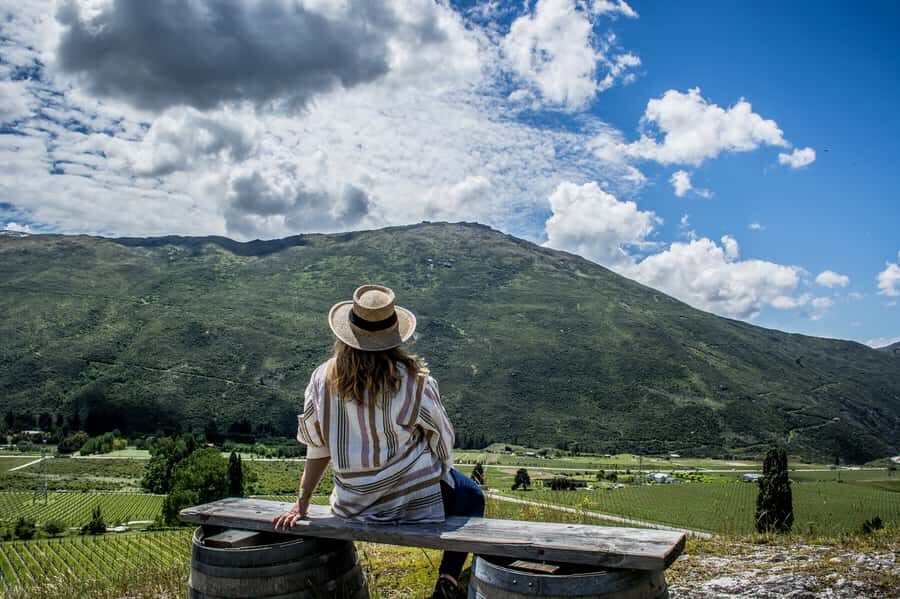
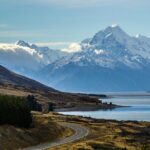
Mount Cook is one of those places where ground-level views can be stunning—but there’s always something you can’t quite see. From the air, the mountain system changes shape. Glaciers don’t read as a “feature” anymore; they read as a working landscape, with slopes, ridgelines, and the geometry of the Southern Alps all laid out at once.
What makes this particular flight feel special is the mix of viewpoints. You don’t just fly in a single direction and call it done. You move over the lower Tasman Glacier area and then shift your angle to soar above the Liebig mountain range, with the tall peaks of the Southern Alps in your field of view. That combination helps you understand where you are—even if you’re not the sort who studies maps on vacation.
And then there’s the landing. A brief alpine stop sounds small on paper, but it changes the whole experience. Seeing snow and ice from above is dramatic. Being down there for a short window, feeling the cold reality of an alpine zone under your feet, is the kind of memory that sticks.
A few more Mount Cook tours and experiences worth a look

The 35-Minute Timeline: How the Time Gets Used
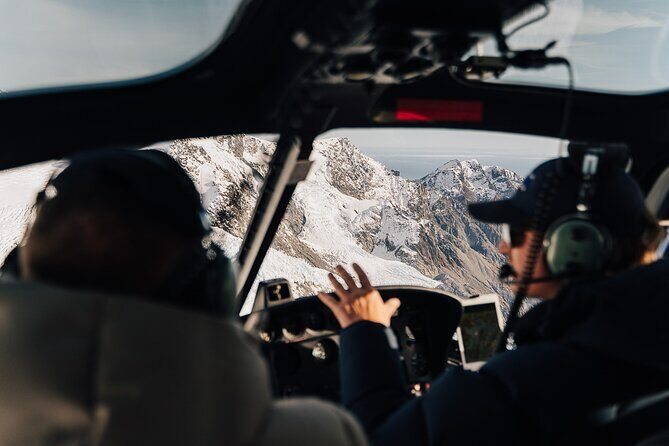
This is a short flight by design, and that’s a good thing. You’re not signing up for a half-day logistical puzzle. You’re signing up for a focused window where the scenery happens fast and you’re back down in time to keep exploring South Island.
You can think of it in two parts:
- You’ll spend the longer chunk with the scenic flying around Aoraki / Mount Cook National Park (the Te Wahipounamu area).
- Then you’ll make an alpine landing for a brief stop to take in panoramic views from closer to the terrain.
Total duration is listed at around 35 minutes, so don’t expect time for lots of extra stops. Instead, the value is concentrated. You’ll get a full “big picture” arc in a compact schedule—ideal if you’re cramming in activities on the South Island or if you just want a bucket-list payoff without sacrificing an entire day.
Price and Value: What $308.70 Buys You in Real Terms
At $308.70 per person, this isn’t a budget activity. Helicopters are expensive, and that’s exactly what you’re paying for: fast access to high alpine scenery, plus an actual landing stop.
Here’s where the value gets more interesting than the sticker price:
- You get a landing. A standard scenic flight is often all about the air view. This adds time on the alpine landing area, which is a different type of experience.
- You get live commentary. The cabin talk matters. It helps you identify what you’re seeing—glacier terrain, mountain range features, and the broader national-park context.
- You’re in a very small group (max 6). In practice, that tends to make the flight feel less like a cattle line and more like a guided experience—especially if you’re the type who asks questions.
If you’re comparing options, think about how you’d feel seeing the same area from the ground. Great? Sure. But the ground can’t replicate a glacier-and-ridges overview. For the price, what you’re really buying is time compression plus scale.
Getting to the Start Point at Aoraki / Mount Cook National Park
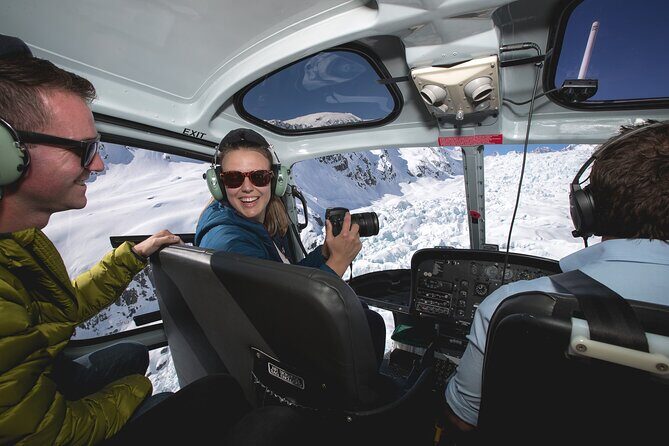
The meeting point is Aoraki/Mount Cook National Park, 81 Bowen Drive, Aoraki / Mount Cook 7999. The good news is the experience ends back at the same place—so you’re not stuck figuring out a second transfer after you fly.
Because this is a helicopter flight, timing and weather matter more than usual. When you’re planning your day, I’d treat this like the most sensitive part of your schedule. If the day is tight, build in extra buffer time rather than putting something else right after.
You’ll use a mobile ticket, so make sure you have it accessible on your phone. Confirmation is received at the time of booking, which is helpful if you’re coordinating multiple activities.
Over the Lower Tasman Glacier: What You’ll Actually Notice From Above
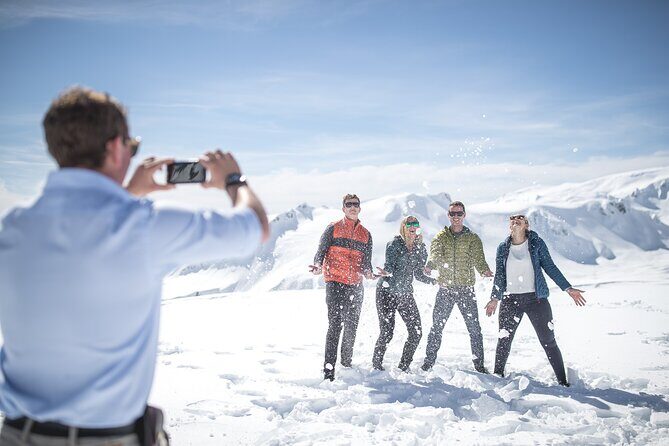
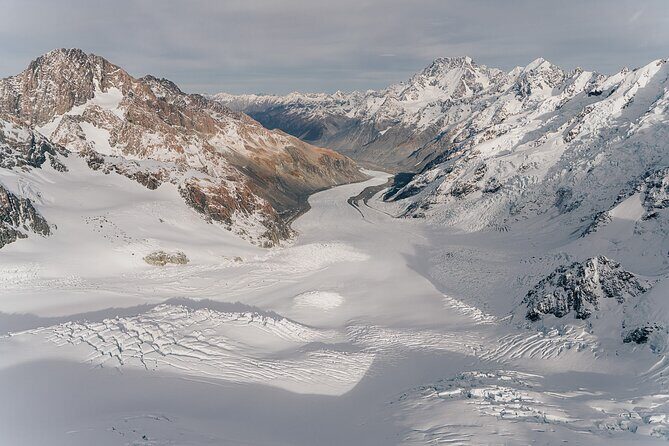
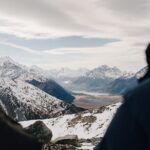
The flight route is built around the iconic geography of Aoraki / Mount Cook National Park. You’ll fly over the lower Tasman Glacier, and that’s the first big wow moment for most people.
From the air, glaciers read differently. You’ll see how the ice connects to surrounding slopes and how the glacier’s edges trace the mountains. Instead of wondering where a glacier starts and stops, you can visually follow its shape.
Then you shift attention to the Liebig mountain range. This stretch of peaks and ridges has a layered look from above. Even if you don’t know the names of every summit (and you don’t need to), you’ll still be able to spot the major ridgelines and understand how the mountain system wraps around the valleys.
One thing I’d recommend: don’t just keep your eyes pointed one direction. In a short flight, the pilot will change angles. Turn your attention as the view changes. If you only stare at the window the whole time, you’ll miss the moments when the terrain opens up and gives you that “now I get it” perspective.
The Alpine Landing Stop: Why 10 Minutes Can Feel Like 10 Lifetimes
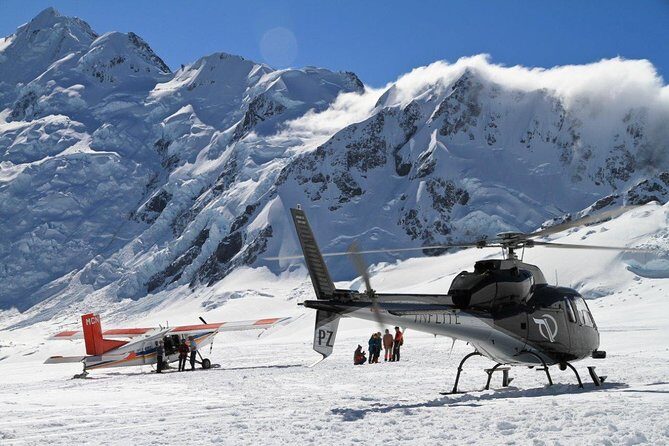
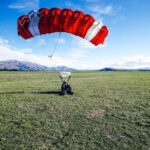
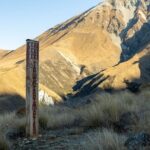
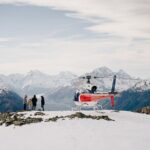
The alpine landing is the signature part of this experience. You’ll stop high in Aoraki / Mount Cook National Park (Te Wahipounamu), with landing time listed as about 10 minutes.
Why does that short stop matter?
Because it transforms the flight from a drive-by into an on-the-ground memory. You’re not just watching nature—you’re physically inside that alpine environment for a brief window. It’s also where you usually notice the details you can’t capture well from the air, like the texture of the snow/ice and the scale of the surrounding peaks.
This stop is also where your live commentary becomes more meaningful. When the pilot guide points things out while you’re down there, you can connect the “map view” from the air to the “feel view” on the landing surface.
Practical tip: keep your expectations realistic. Ten minutes is not long. But in a helicopter flight context, it’s the difference between a good scenic ride and a true highlight.
Live Pilot Guide Commentary: Turning Seats Into a Lesson
One of the most praised parts of this flight is the onboard experience, and that makes sense. You’re up in the sky for a short period, so the best use of time is learning what you’re seeing without needing a guidebook or constant guessing.
You’ll have pilot guide live commentary and the pilot will talk while you fly. On some departures, you may hear from crew with a great sense of humor—names like Jes and Mike have shown up in past experiences—so the vibe can be playful as well as informative.
That matters for two reasons:
- It keeps you engaged during the short timeline.
- It helps you leave with a mental picture you can recall later, not just a blur of pretty peaks.
If you’re the kind of traveler who likes asking questions, a small group helps. With a maximum of six travelers, there’s more chance your questions can actually land and you’ll get an answer that fits your interest.
Small Group Size (Up to 6): More Comfortable, Less Like a Production
Max group size is 6 travelers, which is a quiet detail that can change your whole experience. In larger groups, helicopter rides often feel rushed or crowd-managed. In a small cabin, the experience tends to feel more personal.
You’ll typically notice:
- More space to adjust your position for the best views
- Easier communication with the pilot/pilot guide
- A calmer mood in the cabin, since you’re not surrounded by strangers shouting over each other
This matters most because the flight is only about 35 minutes. When time is tight, comfort and communication become part of the value—not just “nice to have.”
Smooth Flight Feel: What to Expect in the Cabin
Helicopter rides can be intimidating if you hate turbulence or you’re prone to motion sickness. What you can take from the experience details is that this flight is designed as a scenic outing, and many passengers describe it as smooth.
Still, it’s wise to treat it like an alpine aircraft experience: you’re flying in mountainous terrain, and conditions can change. If you’re sensitive, consider bringing whatever you normally use for motion comfort on boats or bumpy rides, and keep your seat position steady during turns.
Also, because you’re taking photos through a window, remember that the best photo moments may happen quickly during angle changes. Don’t wait for the perfect shot. Aim for good-enough, then look up again. The real prize is the view while it’s happening.
Weather Rules: How to Plan for Mount Cook Helicopter Reality
This tour requires good weather. That’s not a footnote—it’s the main limiter for helicopter experiences in the Southern Alps.
The key points you can plan around:
- If the flight can’t operate due to poor weather, you’ll be offered a different date or a full refund.
- Free cancellation is allowed up to 24 hours in advance for a full refund.
So if you’re building a tight Mount Cook schedule, don’t stack your whole day around a single weather-sensitive activity with no backup plan. Helicopter timing can shift, and you’ll enjoy the rest of your day more if you aren’t stressed.
If you have flexibility on your travel dates, keep an open slot for this flight when the forecast looks best. That increases your odds of getting the experience on the day you want.
Who This Flight Is Best For (And Who Should Skip It)
This is a strong choice if:
- You want the fastest route to the most dramatic views around Aoraki / Mount Cook
- You want an alpine landing, not just flying overhead
- You prefer a small group tour with live commentary
- You have limited time on the South Island but still want a major highlight
It may be less ideal if:
- You dislike weather-dependent plans and you have no ability to shift your schedule
- You’re traveling with someone who might be affected by short aerial motion
- You’re looking for a long, walking-based experience. This is short and altitude-focused, not a hike
There’s also a hard eligibility detail: the total weight per passenger is 441 lbs. If you’re near that threshold, check with the operator when you book.
Most travelers can participate, so it’s likely manageable for many people—but the weight limit is the one clear constraint you should take seriously.
Should You Book the Mount Cook Scenic 35 Minute Helicopter Flight?
I’d book this if you want a high-impact Aoraki experience that compresses the best views into about half an hour. The big reasons are the combination of scenic flying over the lower Tasman Glacier and Liebig mountain range, plus the alpine landing that turns a window seat into an actual mountain moment.
You might reconsider if your trip is already tightly scheduled and you can’t adjust for weather. In that case, have a Plan B ready. But if you can be flexible, this is the kind of outing that gives you photos and memories that feel instantly earned—because you’re literally inside the scale of the Southern Alps.
If you’re deciding between options, ask yourself one question: Do you want to simply look at glaciers and peaks, or do you want to step onto the alpine terrain for a short panoramic stop? If your answer is the second one, this is a clear yes.
FAQ
How long is the Mount Cook scenic helicopter flight?
The total duration is about 35 minutes (approx.).
What’s included in the tour price?
It includes a scenic helicopter flight, an alpine landing, a pilot guide, live commentary on board, and GST.
Where do I meet for the flight?
The meeting point is Aoraki/Mount Cook National Park, 81 Bowen Drive, Aoraki / Mount Cook 7999, New Zealand, and the activity ends back at the same meeting point.
What if the weather is poor?
This experience requires good weather. If it’s canceled due to poor weather, you’ll be offered a different date or a full refund.
What is the cancellation policy?
You can cancel for a full refund up to 24 hours in advance. If you cancel less than 24 hours before the start time, the amount you paid is not refunded.
Is there a passenger weight limit?
Yes. The total weight per passenger is 441 lbs.