REVIEW · MOUNT COOK
Mt Cook: 55-Minute Scenic Flight in Helicopter or Ski Plane
Book on GetYourGuide →Operated by INFLITE Mt Cook Ski Planes & Helicopters · Bookable on GetYourGuide
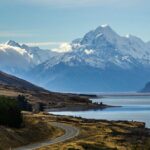
Mt Cook looks even bigger from the air. This 55-minute scenic flight circles the Southern Alps with live English commentary, so you don’t just stare out the window—you get context for what you’re seeing. You’ll fly past iconic peaks like Mount Cook and Mount Tasman while the pilot-guide team points out the features you’d miss from the ground.
What I like most is the way the route strings together the “greatest hits” in one go: Fox and Franz Josef Glaciers on the West Coast, then a sweep back across the Tasman Sea and down toward Mt Cook National Park. One drawback to plan around: weather can force a shortened flight, rescheduling, or cancellation, so flexibility helps.
In This Review
- Key Things You’ll Notice on This Flight
- Flying the Southern Alps in 55 Minutes: What That Really Means
- Picking Helicopter vs Ski Plane: How to Choose the Right Feel
- The Big Route Loop: Takeoff to the West Coast Glaciers
- The Tasman Sea Leg: Why Crossing Water Changes the View
- Back Over the Southern Alps: Tasman Glacier and Hochsteter Icefall
- Under Aoraki Mt Cook’s East Face: The Part That Feels Closest
- What It’s Like Onboard: Small Group, Live Guide, Camera Time
- Timing, Weather, and Why Your Day Might Shift
- Comfort Tips That Actually Help (Not Just Sound Good)
- Price and Value: Is $447 Worth a 55-Minute Flight?
- Who This Flight Suits Best—and Who Should Skip It
- Should You Book This Mt Cook Scenic Flight?
- FAQ
- How long is the Mt Cook scenic flight?
- Where does the flight go?
- Is food included?
- Is there a guide on board?
- What should I bring?
- Are selfie sticks or bags allowed?
- What happens if the flight is cancelled due to weather?
- Can I use my camera or phone during the flight?
- Is this suitable for everyone?
Key Things You’ll Notice on This Flight
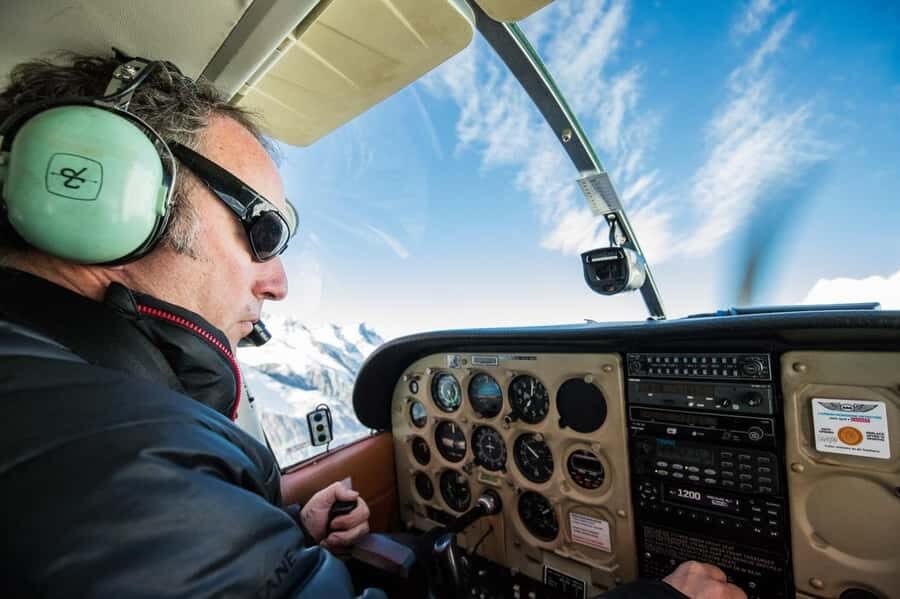
- Small group size (up to 6) means less crowding and more room to move in the cabin
- Expert onboard guide commentary helps you recognize peaks and ice zones fast
- Route is built for variety: Main Divide to glaciers, then Tasman Sea, then back over Southern Alps
- Fox and Franz Josef views from above are a totally different experience than hiking to viewpoints
- Camera-friendly cabin time: phones and cameras are allowed during the flight
- Ski plane option vs helicopter option changes how the ride feels and how close you may get to ice (if conditions allow)
Flying the Southern Alps in 55 Minutes: What That Really Means
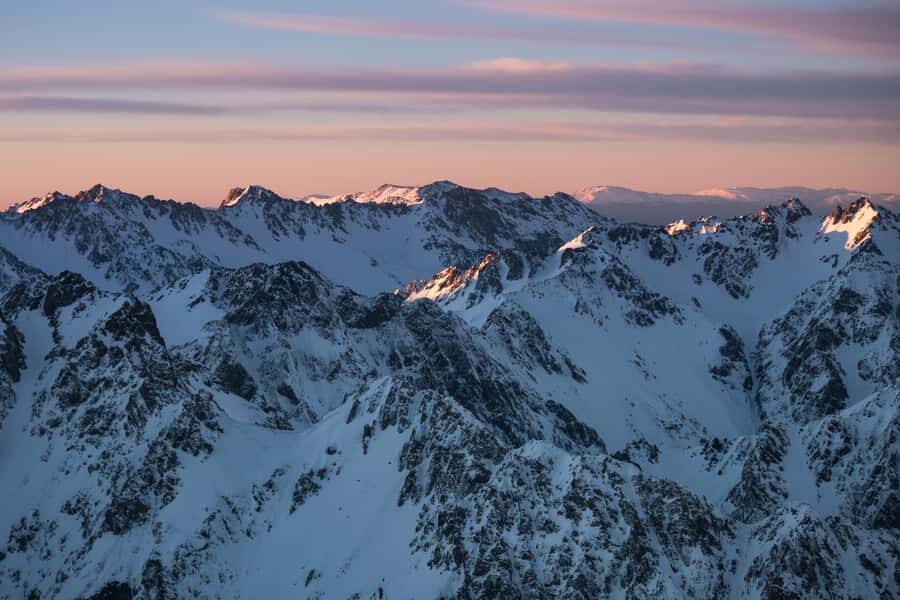
A scenic flight works best when it does two things at once: it shows you scale, and it explains what you’re looking at. This one hits both. In under an hour you get sweeping views of major alpine landmarks, plus a guided narration that turns a seat by a window into something closer to a flying guided tour.
The timing matters. With a short flight like this, you’re not committing your whole day. If you’re doing road time on the South Island, this is a way to “spend money where photos can’t.” You’ll see what you can’t easily reach by car or foot: glacier systems and high passes that sit behind layers of ridge and valley.
The other thing to know is that the experience is route-driven. The flight is structured around the Southern Alps, the Tasman Sea side of the divide, and then the Mt Cook National Park area again—so you’re not just flying in circles. You’ll feel that when the terrain changes from rugged peaks to ice and back to steep alpine faces.
A few more Mount Cook tours and experiences worth a look
Picking Helicopter vs Ski Plane: How to Choose the Right Feel
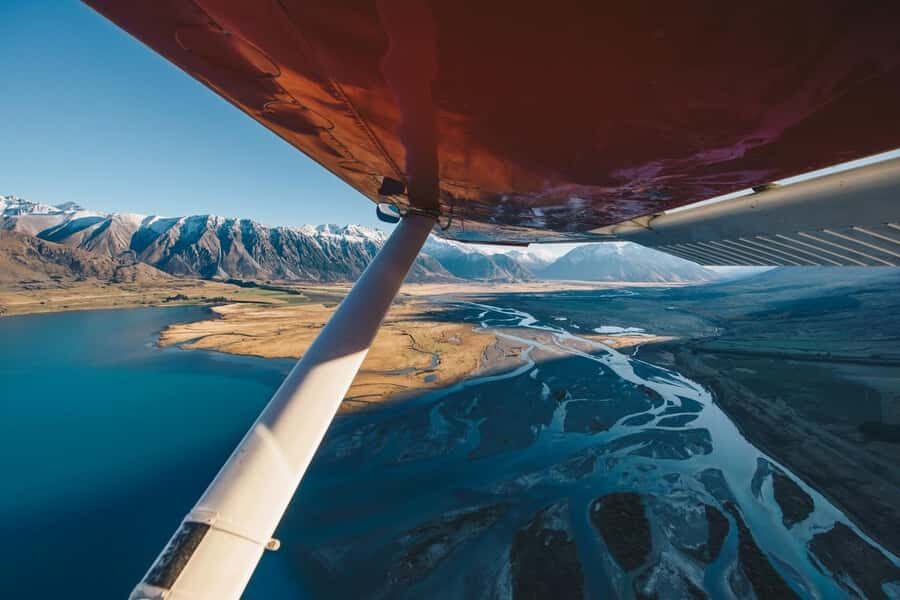
You can book this flight as either a helicopter or a ski plane. The exact details of what you experience will depend on conditions, but here’s how I’d think about the choice.
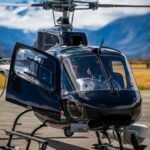
- Helicopter tends to feel more like a compact, agile ride—great if you want the thrill factor and quick glimpses as the pilot adjusts to the scenery.
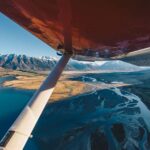
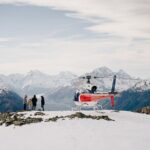
- Ski plane is built for snow and ice operations. One recent flight included a ski plane landing and takeoff from a glacier, which is the kind of moment that turns a scenic flight into a memory you can’t compare to a viewpoint.
If your priority is maximum drama and you’re hoping for the closest ice contact possible, the ski plane option is worth considering. If you want a classic aerial tour vibe with steady viewpoints, the helicopter is a fine pick.
The Big Route Loop: Takeoff to the West Coast Glaciers
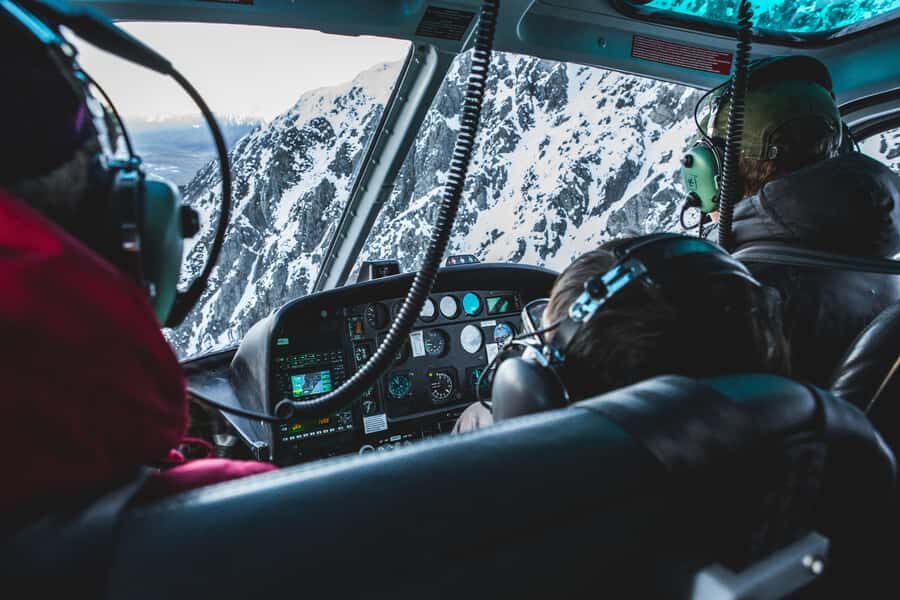
Right after takeoff, you’ll notice how fast the scenery goes from “pretty” to “wow.” That’s because you immediately lose the sense of distance that road travel gives you. Peaks that look separate on a map connect in 3D. Ridges line up. Valleys drop away.
From there, the flight tracks the Main Divide to the West Coast. This is a huge part of why this tour is valuable. The Southern Alps are not just one mountain chain. They’re a wall of height that shapes the weather and feeds ice systems on different sides.
You’ll be looking for Mount Cook area highlights first, then the view transitions toward glacier country. The flight includes aerial time over:
- Mount Tasman
- Mount Sefton
- Fox Glacier
- Franz Josef Glacier
Seeing Fox and Franz Josef from above is special because glacier edges look like polished sculpture at altitude. From the ground, it’s easy to focus on trails, bridges, or limited viewpoints. From the air, you get the shape: the flow paths, the way ice carves through the valley, and how steep the surrounding walls are.
The Tasman Sea Leg: Why Crossing Water Changes the View
After the West Coast section, the route tracks north along the Tasman Sea. This matters more than it sounds. When you fly from ice to water, your brain gets a new reference point for scale.
Water also brings a different kind of visual detail. Instead of sharp contrasts of snow and rock, you see texture: coastline lines, sea color shifts, and the separation between the alpine backbone and the ocean. It’s a nice reset before the flight recrosses the big peaks again.
If you like photos, this is often when you’ll find the frame changes quickly—one moment you’re shooting glacier valleys, the next you’re capturing the “mountains meeting the sea” effect.
Back Over the Southern Alps: Tasman Glacier and Hochsteter Icefall
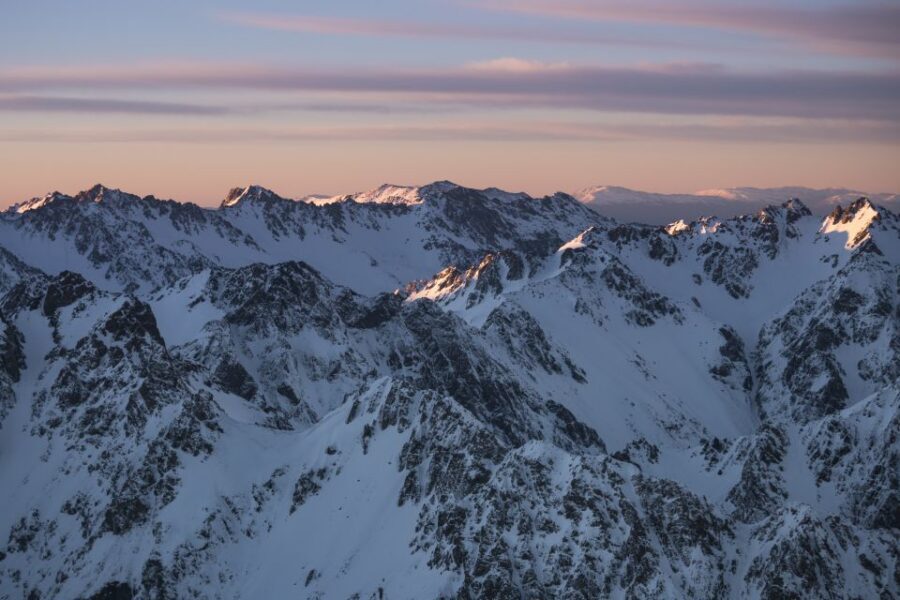
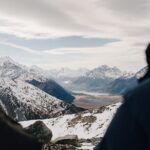
Then the flight brings you back to the high country. You’ll recross the snow-capped peaks of the Southern Alps and view the Tasman Glacier.
From an aerial perspective, a glacier is less about one dramatic tongue of ice and more about the entire system: accumulation zones above, flow down the slope, and the way ice interacts with the surrounding rock.
The flight continues through the Grand Plateau and the Hochsteter Icefall. Icefalls are one of those things you hear about more than you see clearly from ground level. From the air, they read like chaotic geometry—broken textures, steep movement, and the kind of movement that looks frozen but isn’t.
If you’re the type of person who likes names—Mounts and ice features included—you’ll get a lot out of the live guide narration here. It helps you connect the labels to what you’re seeing in real time.
Under Aoraki Mt Cook’s East Face: The Part That Feels Closest
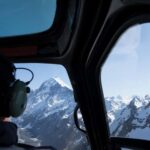
As the flight passes under the east face of Aoraki Mount Cook, you’ll likely feel the “scale shock.” This is where mountains start to look less like landmarks and more like walls.
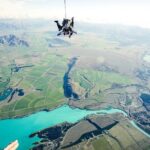
Right after that, the flight descends over the Tasman Terminal Lake. Terminal lakes are one of those quiet scenic details that people often miss because they focus only on the big peaks. From the air, the lake gives you a visual landing point: water at the end of ice movement, plus the geometry of valleys that feed the glacier system.
This segment is also a good reminder that Mt Cook isn’t a single view. It’s a whole landscape of ice, rock, and water systems interacting.
What It’s Like Onboard: Small Group, Live Guide, Camera Time
This is a small group tour limited to 6 participants. That’s a practical advantage. Smaller groups usually mean faster boarding, less jockeying for window space, and a calmer cabin. It also helps with the vibe: you’re not stuck listening to a narration while trying to squeeze past elbows.
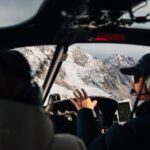
The tour runs with a live guide in English and includes an initial safety briefing. Expect the guide to point out landmarks as you fly. This turns the flight into more than just a sightseeing session.
Also, you can use your camera and phone during the flight. That’s a big deal. Many flight experiences ban electronics or make it awkward. Here you can actually plan to shoot.
One note from real-world experience: seating can affect how clean the view is. If you’re sensitive to window angles, it’s worth asking about seat placement when you book.
Timing, Weather, and Why Your Day Might Shift
Weather is the main reality check with alpine air tours. If conditions aren’t right, the operator will offer either a full refund or a rescheduled flight. In some cases, a flight might be shortened due to conditions, and in rare cases a reschedule can happen if passenger weights reach the maximum safety limit.
Here’s the practical way to handle that: don’t schedule this as your only Mt Cook Plan. If you can, build in a flexible block of time around your flight day.
I also like that the operator explains the weather logic instead of treating it like a surprise. You’re dealing with real mountain conditions, not just a checklist.
Comfort Tips That Actually Help (Not Just Sound Good)
Bring comfortable clothes. It’s not a fashion show in the sky—you’ll be in a seated position for the full 55 minutes, often looking out at bright snow and high glare. Dress for wind chill and possible temperature changes.
Two more restrictions matter because they affect your packing:
- No selfie sticks
- No bags
That means travel light. Think of the flight as carry-on-free. If you need something, keep it minimal and accessible.
And if you’re prone to motion sickness, keep that in mind before you go. You’re moving through mountainous air, and smoothness depends on conditions and the type of aircraft.
Price and Value: Is $447 Worth a 55-Minute Flight?
At $447 per person, this is not a budget activity. But pricing like this usually means you’re paying for three things you can’t easily replicate:
- Access to high alpine views over glaciers and peaks that are hard to reach by road
- Time efficiency—you get a concentrated route without losing an entire day to travel
- Expert narration that makes the views more meaningful
When I evaluate value for tours like this, I ask one question: will this replace other sightseeing, or will it add to it? In many South Island itineraries, a flight like this is the add-on that makes the rest of your trip feel sharper. You’ll look at ground viewpoints afterward and recognize what you saw from above.
The small group size (up to 6) also supports the value. You’re paying premium money, and you’re not being herded into a big cattle-car.
If you’re on a tight budget, this might be a pass. If you want the fastest route to big alpine imagery, it’s a strong candidate.
Who This Flight Suits Best—and Who Should Skip It
This experience is a great fit if you:
- Want glacier views without hikes
- Like guided narration and want help identifying what you’re seeing
- Are short on time but still want a major Southern Alps highlight
- Prefer a small group setting
It’s not suitable if you:
- Have mobility impairments
- Weigh over 254 lbs (115 kg)
And if you’re the kind of person who needs guaranteed plans down to the minute, build in flexibility for weather. Alpine flights can shift.
Should You Book This Mt Cook Scenic Flight?
If your dream is seeing Mt Cook National Park’s ice-and-peaks system in one tight loop, I’d book it—especially if you’re coming for the glacier views and the chance to connect names to the terrain. The combination of small group size, English guide commentary, and a route that covers glaciers plus Mt Cook area makes the money feel focused.
I’d pause if you hate any possibility of schedule changes. Weather can affect flights, and this isn’t a “guaranteed anytime” activity. If you can stay flexible and keep your expectations realistic, this is one of the most direct ways to understand the scale of the Southern Alps.
If you want the best odds of a truly memorable experience, consider choosing your aircraft option thoughtfully and plan for light packing so you’re not stressed in the lead-up.
FAQ
How long is the Mt Cook scenic flight?
The flight duration is 55 minutes.
Where does the flight go?
You’ll see views around Mount Cook and the Southern Alps, including Mount Tasman and Mount Sefton, aerial views over the Fox and Franz Josef Glaciers, and passes over areas including the Tasman Glacier, Grand Plateau, and Hochsteter Icefall.
Is food included?
No. Food and beverages are not included.
Is there a guide on board?
Yes. There is live onboard commentary from an English-speaking guide.
What should I bring?
Bring comfortable clothes.
Are selfie sticks or bags allowed?
No selfie sticks are allowed, and bags are not allowed.
What happens if the flight is cancelled due to weather?
If it’s cancelled due to weather, you’ll be offered a full refund or a rescheduled tour.
Can I use my camera or phone during the flight?
Yes, you can use your camera and phone during the flight.
Is this suitable for everyone?
It’s not suitable for people with mobility impairments, and there is a weight limit of 254 lbs (115 kg).