REVIEW · MOUNT COOK
Skydive Mt. Cook – 70+ Seconds of Freefall from 16,500ft
Book on Viator →Operated by Inflite Ski Planes Limited · Bookable on Viator
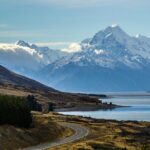
A jump over the Southern Alps is hard to beat. Skydive Mt Cook puts you above Pukaki and Aoraki/Mt Cook National Park for 70+ seconds of freefall from 16,500ft, with glaciers, lakes, and snow-capped peaks spread out below. Two things I really like: the setting is genuinely spectacular, and the experience feels geared toward keeping you calm with a friendly, upbeat crew atmosphere.
My one real consideration is simple: this is a good-weather-dependent activity. If conditions aren’t right, plans can shift, and you’ll want to build some breathing room into your South Island schedule.
In This Review
- Key Highlights You’ll Feel Fast
- Why 16,500 Feet Over Pukaki Feels Special
- Getting To Skydive Mount Cook Near Twizel (and What to Plan For)
- From the Plane Ride to the Jump: What Happens Before You Go
- The 70+ Seconds of Freefall From 16,500ft
- Parachute Descent and the Views You’ll Actually Remember
- Crew Energy and Why Small Groups Change the Day
- Price and Value: Is $341.08 Worth It?
- Weather Is the Real Boss: How to Keep Your Plans Flexible
- Who This Skydive Works Best For
- Quick Decision Guide: Should You Book This Jump?
- FAQ
- Where does Skydive Mount Cook start?
- How long does the experience take?
- What freefall height and time do I get?
- How much does it cost?
- How many people are in the group?
- Is good weather required?
- What happens if it’s canceled due to poor weather?
- Can I cancel for a refund?
- Do I receive confirmation when I book?
- Is a mobile ticket used?
- Is there any accessibility or animal limitation?
Key Highlights You’ll Feel Fast
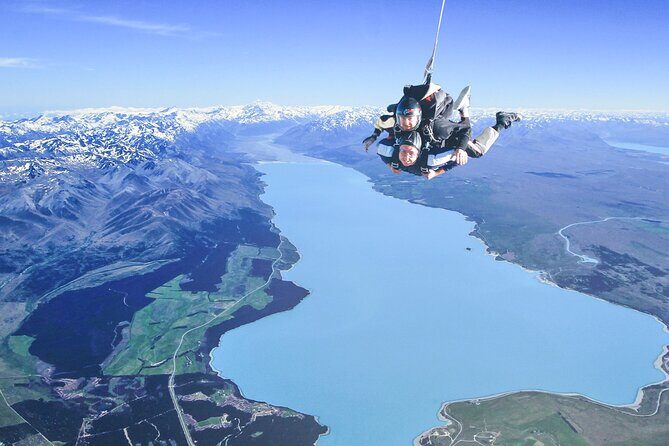
- 70+ seconds of freefall from 16,500ft gives you more than a quick thrill—this is real time in the air
- Pukaki landing zone views with Aoraki/Mt Cook National Park, lakes, glaciers, and snow-capped mountains
- Small group size (max 9 travelers) keeps the day less chaotic and more personal
- 2 hours approx. duration makes it a doable add-on even if you’re also doing day trips around Twizel
- Mobile ticket means less paper hunting and fewer last-minute headaches
- Friendly crew energy—the kind that helps you get to the door instead of hesitating
Why 16,500 Feet Over Pukaki Feels Special
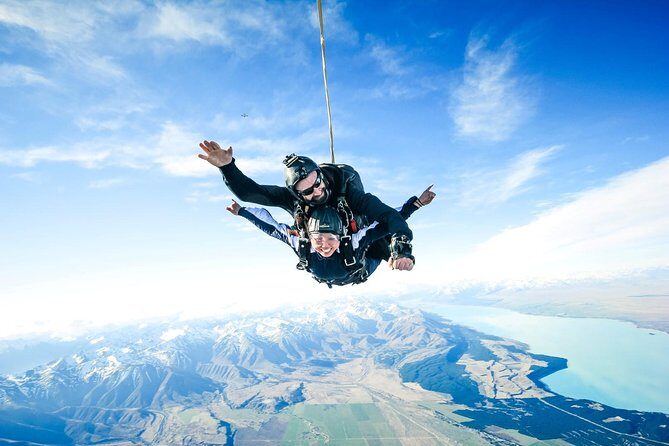
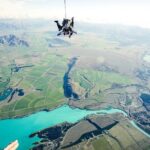
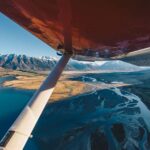
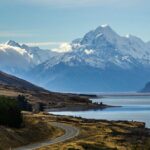
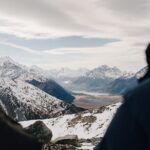
This is one of those places where the scenery isn’t a side dish—it’s part of the main event. From the moment you’re up there, South Island features start showing up clearly: the broad lakes, the dramatic mountain forms, and the glacier country around Aoraki/Mt Cook National Park. Even if you’re mostly focused on your own jump, your brain will keep pulling your eyes back downward.
The altitude is a big part of the appeal. A freefall time of 70+ seconds from 16,500ft is long enough that it stops feeling like a brief stunt and starts feeling like a full “chapter” of your day. For me, that matters because the best jumps aren’t only about the moment you leave the plane. They’re about the sustained experience—wind, speed, and the long sweep of views as your perspective flips upside down.
You’re also doing this from Pukaki, which is a smart choice for sightlines. That area lines up nicely with classic Mt Cook views, and you’ll likely get a sense of how much is packed into a relatively small region of New Zealand’s South Island.
You can also read our reviews of more tours and experiences in Mount Cook.
Getting To Skydive Mount Cook Near Twizel (and What to Plan For)
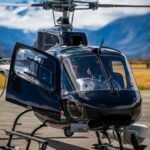
The meeting point is Skydive Mount Cook, 2 Swallow Drive, Pukaki Airport, Pukaki, Twizel 7999, New Zealand. You’ll finish back at the same spot, so you’re not dealing with an all-day, multi-venue transfer run.
The whole experience runs about 2 hours. For scheduling, that’s helpful. You can build it into a day that also includes drive time and a meal, without turning your trip into a full timeline puzzle. If you’re basing yourself around Twizel or passing through the Pukaki area, this is the kind of add-on that fits without needing a dedicated “only skydive” day.
A small but useful perk: you get a mobile ticket. Bring your phone, make sure you can access it offline if needed, and you’ll be ready faster at check-in. Also, this activity is listed as having service animals allowed, so if that applies to you, plan around your animal’s routine like you would anywhere else, but at least you know it’s permitted.
If you’re thinking about transport, it’s described as near public transportation. I can’t tell you the exact stop names or walking time from here, but it’s a sign you’re not locked into a single private transfer setup.
From the Plane Ride to the Jump: What Happens Before You Go
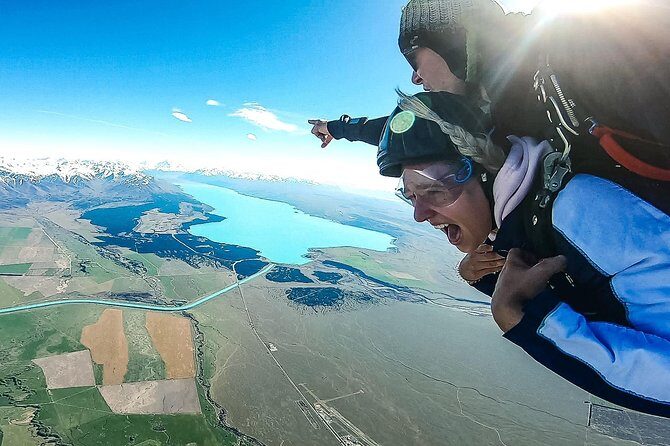
You won’t be thrown straight into freefall without context. Even with limited specifics provided, the day is clearly structured around one main goal: get you to 16,500ft safely, then let you experience that 70+ seconds of freefall.
What you should plan for during the pre-jump phase is simple: weather checks, equipment handling, and an organized ramp-up to the jump. In practical terms, dress for comfort and wind. South Island skies can change quickly, and once you’re airborne, you’ll be feeling the temperature difference more than you expect.
Also, note the maximum group size: up to 9 travelers. That matters more than it sounds. Smaller groups usually mean less waiting around with a crowd, fewer confusion moments, and more time for the crew to keep things smooth if questions pop up.
And from an emotional standpoint, the vibe around this operation is very positive. The crew is described as upbeat and genuinely supportive, which is exactly what you want when your stomach is doing that pre-jump dance.
The 70+ Seconds of Freefall From 16,500ft
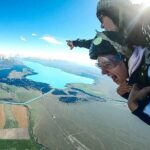
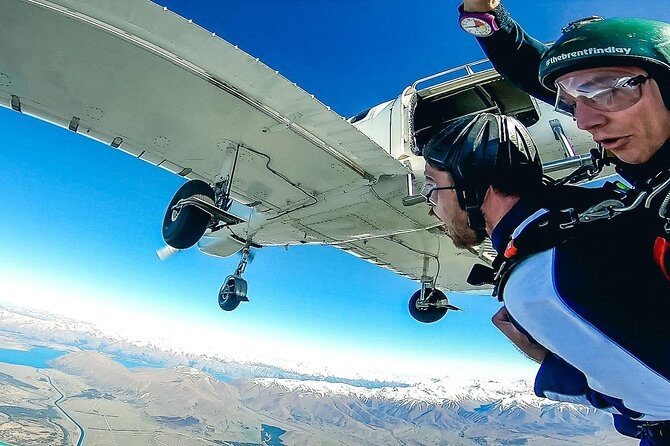
The freefall itself is the headline: 70+ seconds is long enough to feel like you’re doing something more than surviving a single drop. You’ll have time to take in the view, feel your body settle into the motion, and realize, in a very literal way, how fast the world changes from plane-to-earth.
At 16,500ft, the view below can feel almost unreal—peaks and glacier zones look crisp, lakes stand out against darker mountain shapes, and the national park geometry becomes more legible the longer you fall. This is where the Pukaki location pays off. You’re not only seeing “mountains.” You’re seeing a system—water, ice, and rock—arranged across a massive scale.
One more practical point: if you’re anxious about the idea of the jump, this amount of freefall can be either a thrill or a mental challenge. I’d treat it as a strength if you want a big payoff. If you’re still deciding whether you’re ready, choose this only if you genuinely want that long, high-altitude freefall chapter.
Parachute Descent and the Views You’ll Actually Remember
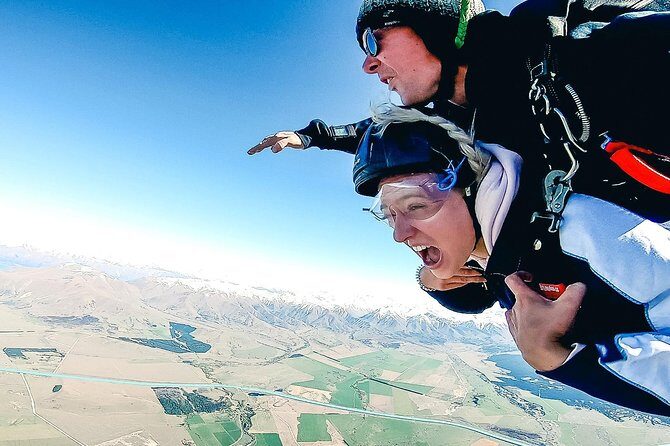
After freefall, you’ll transition into the next phase of the experience and return back to where you started. Since your activity ends back at Skydive Mount Cook again, it’s a contained operation rather than a sprawling multi-location itinerary.
Here’s what matters most from a traveler’s perspective: the descent is when your mind often catches up. During freefall, you’re busy processing speed and the sheer change in altitude. Later, you can look around more clearly and absorb what you were too focused to fully see earlier.
If you’re a “photos or it didn’t happen” person, skydiving is one of the most photo-frustrating activities in the world… and yet one of the most rewarding. Your memory will be sharper than most souvenir photos because you’ll feel the speed and wind, not just capture the scene. The beauty of this jump is that the ground below is dramatic enough that you’ll feel like you’re gliding over real scenery, not just landing in an open area.
Crew Energy and Why Small Groups Change the Day
One of the best parts of this operation isn’t the altitude—it’s the way the whole experience is handled. The crew is described as happy, bubbly, and inspiring, and that lines up with what you want in a high-emotion activity.
When the staff are relaxed and encouraging, it helps you focus on the controllables: listening carefully, following instructions, and getting ready at the door instead of spiraling into what-if thoughts. This is especially relevant for skydiving because your body can react before your brain catches up.
The maximum of 9 travelers also supports a calmer day. It reduces the number of people you’re sharing instructions with and usually makes it easier to keep everyone on track. If you prefer experiences that feel personal rather than assembly-line, that small-group cap is a real plus.
Price and Value: Is $341.08 Worth It?
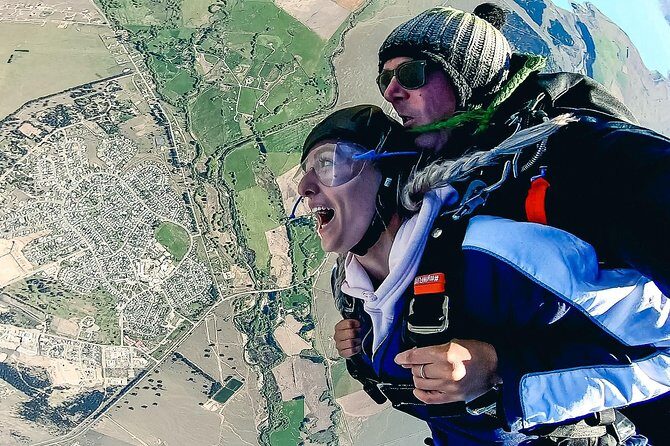
At $341.08 per person, this isn’t a budget activity. But value for skydiving isn’t just the cost; it’s what you get in return for that money.
Here’s what makes the price feel more reasonable:
- Altitude and freefall time: 16,500ft plus 70+ seconds is a meaningful package, not a quick drop.
- World-class scenery: the promise here is Aoraki/Mt Cook National Park views, with glaciers, lakes, and snow-capped peaks in your line of sight.
- Time efficiency: about 2 hours means you’re not losing a whole day, and you can still do other South Island experiences.
- Small group size: up to 9 travelers helps the day feel controlled, which matters when you’re doing something intense.
Would I call it “cheap”? No. But for a high-altitude jump tied to one of New Zealand’s most famous mountain regions, the price-to-experience ratio holds up. This is the kind of activity you do once—so the question isn’t whether it’s affordable for everyone. It’s whether it’s the right match for your trip goals.
Weather Is the Real Boss: How to Keep Your Plans Flexible
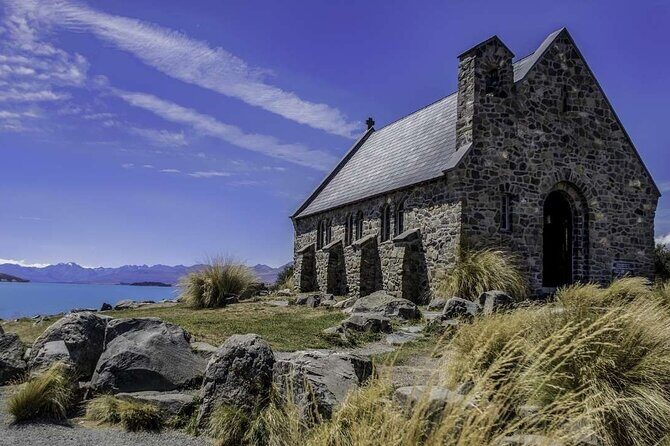
This jump requires good weather. That doesn’t mean you’ll automatically lose the day—what it means is that conditions control whether the flight happens.
Also, you’ll be offered a different date or a full refund if the experience is canceled due to poor weather. That policy matters because skydiving isn’t like booking a museum ticket. It’s dependent on real conditions, and the operation is honest about that dependency.
My practical advice: if you’re building your South Island itinerary, don’t schedule this as the single “must happen” item on the only day you can’t reschedule. Give yourself at least a small buffer window so you’re not stressed if weather needs adjustments.
Who This Skydive Works Best For
This experience is best for people who want a high-value adventure tied to South Island’s biggest scenery. If you’re the type who likes doing one bold activity that becomes your trip story, this fits nicely.
You’ll likely enjoy it most if you:
- Want more than a quick thrill (the freefall time is a key selling point)
- Are visiting the Pukaki / Twizel area and want an experience built around Aoraki/Mt Cook National Park views
- Prefer a smaller group day rather than a large, chaotic operation
- Appreciate a crew that focuses on comfort and confidence before the jump
If you’re extremely weather-sensitive with very tight timing, you should plan carefully because conditions determine whether you jump.
Quick Decision Guide: Should You Book This Jump?
I’d book Skydive Mt Cook if your heart leans toward big, visible payoff: 70+ seconds of freefall from 16,500ft plus iconic Aoraki/Mt Cook scenery. The operation’s supportive crew vibe and the small group size make it feel like more of a guided experience than a rushed transaction.
I’d think twice if your schedule is rigid to the point where rescheduling is impossible, or if you’re not comfortable with the idea that weather rules can change the plan. Skydiving is one of those experiences where flexibility is part of the smart traveler toolkit.
If you can handle the weather variable and you want a true “South Island bragging rights” moment, this is a strong choice.
FAQ
Where does Skydive Mount Cook start?
The meeting point is Skydive Mount Cook, 2 Swallow Drive, Pukaki Airport, Pukaki, Twizel 7999, New Zealand.
How long does the experience take?
The experience lasts about 2 hours (approx.).
What freefall height and time do I get?
You jump from 16,500ft with 70+ seconds of freefall.
How much does it cost?
The price is listed as $341.08 per person.
How many people are in the group?
This activity has a maximum of 9 travelers.
Is good weather required?
Yes. The experience requires good weather.
What happens if it’s canceled due to poor weather?
If it’s canceled due to poor weather, you’ll be offered a different date or a full refund.
Can I cancel for a refund?
Yes, you can cancel for a full refund if you cancel at least 24 hours in advance of the experience’s start time.
Do I receive confirmation when I book?
You’ll receive confirmation at the time of booking.
Is a mobile ticket used?
Yes, the tour includes a mobile ticket.
Is there any accessibility or animal limitation?
Service animals are allowed, and the listing says most travelers can participate.