REVIEW · MOUNT COOK
Skydive Mt. Cook – 20+ Seconds of Freefall from 10,000ft
Book on Viator →Operated by Inflite Ski Planes Limited · Bookable on Viator
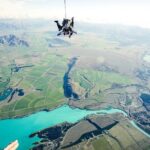
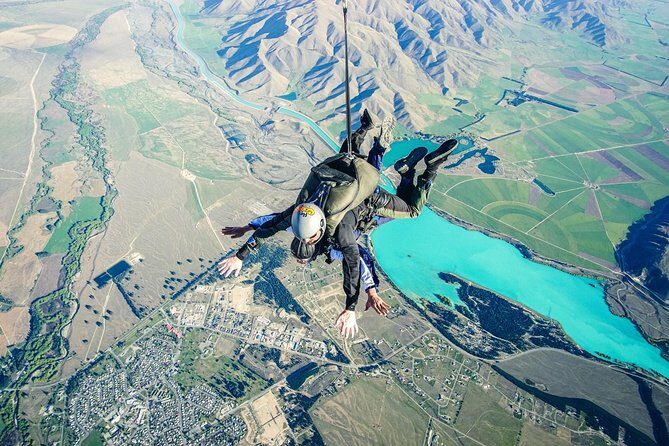
That 10,000-foot drop is the ultimate New Zealand rush. From Pukaki near Aoraki/Mt Cook National Park, Skydive Mt. Cook turns South Island geography into something you experience with your whole body. You’re set up for a tandem freefall that lasts 20+ seconds, framed by snow-capped peaks, glaciers, and lakes.
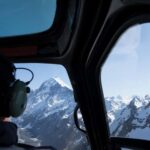
I love how tightly this experience is tied to the scenery outside the plane window. It’s not a generic jump over farmland. You’re heading over the kind of national park terrain—Aoraki/Mt Cook, plus ice and water—that looks unreal even before the exit.
One thing to think about: the operation requires good weather, and cloud cover can affect what you end up doing in the air. A couple of reviews mention they adjusted the height when clouds came through, so go in with flexibility.
In This Review
- Key highlights before you book
- Pukaki Airport to Aoraki/Mt Cook: what makes this jump special
- The 2-hour time window: how to plan your day without stress
- Freefall math: what 20+ seconds feels like at 10,000 ft
- Tandem jump energy: safety focus with less stiffness
- Clouds and height adjustments: why flexibility is part of the deal
- What you’ll see from above: mountains, glaciers, and lakes in one frame
- Price and value: what you’re paying for at $192.78 per person
- Who this experience fits best (and who might want a backup plan)
- Practical details that make a difference on the day
- After you land: the real souvenir is the memory
- Should you book Skydive Mt. Cook?
- FAQ
- How long is the skydive experience?
- Where do I meet for Skydive Mt. Cook?
- How long is the freefall and how high is the jump?
- What is the price per person?
- Is good weather required?
- What cancellation window do I have?
Key highlights before you book
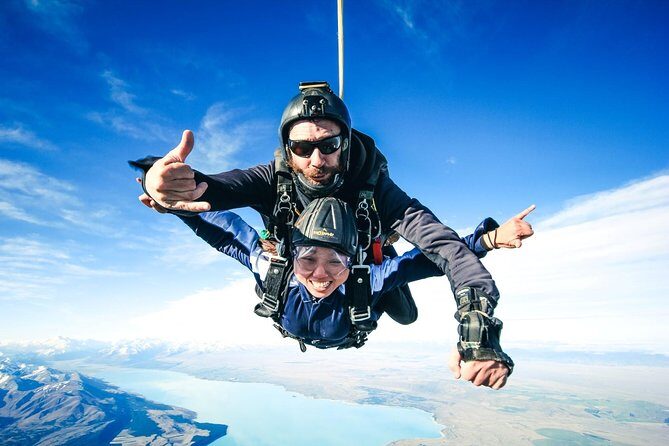
- 20+ seconds of freefall from 10,000 ft for real, stomach-flipping time in the air
- Aoraki/Mt Cook National Park views including mountains, glaciers, and lakes
- Small group size (maximum 9), which usually means less waiting around
- Pro, friendly team energy, with strong safety focus and nerves-settling banter
- Lisa’s support shows up in multiple stories about first-timers and birthday plans
Pukaki Airport to Aoraki/Mt Cook: what makes this jump special
The meeting point is Skydive Mount Cook, 2 Swallow Drive, Pukaki Airport, Pukaki (near Twizel), and the experience ends back there. That matters more than it sounds. You spend less time transferring around the region and more time focused on one big goal: getting to the right sky.
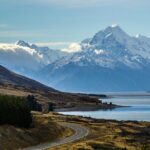
What really sells this jump is the view. You’re in the South Island’s dramatic pocket where mountains dominate the horizon. The route is described around snow-capped mountains, glaciers, lakes, and the Aoraki/Mt Cook National Park area, so your jump isn’t just about speed and fear. It’s about seeing how massive the place looks from above.
If you’re the type of person who hates feeling like a tourist trap stop, you’ll probably like the fact that this is about a single, clear experience. There’s no sense of theme-park complexity. The environment is the whole point.
You can also read our reviews of more tours and experiences in Mount Cook.
The 2-hour time window: how to plan your day without stress
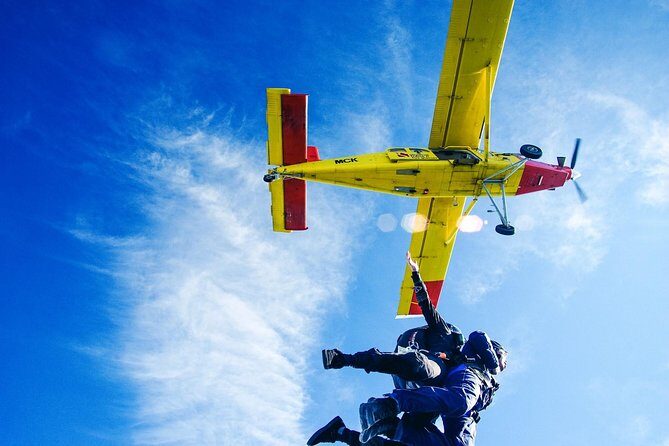
The activity runs about 2 hours (approx.), so it fits nicely into a road-trip day. Still, you should build a little buffer. With sky activities, things can shift based on weather.
I’d plan your day like this: eat before you go, keep your schedule light afterward, and avoid tight connections. Even if the listed duration is around two hours, weather timing can change the flow.
This is also where the small group size helps. With a maximum of 9 travelers, the operation should feel more controlled than a big cattle-call setup. Less waiting, more human pace.
Freefall math: what 20+ seconds feels like at 10,000 ft
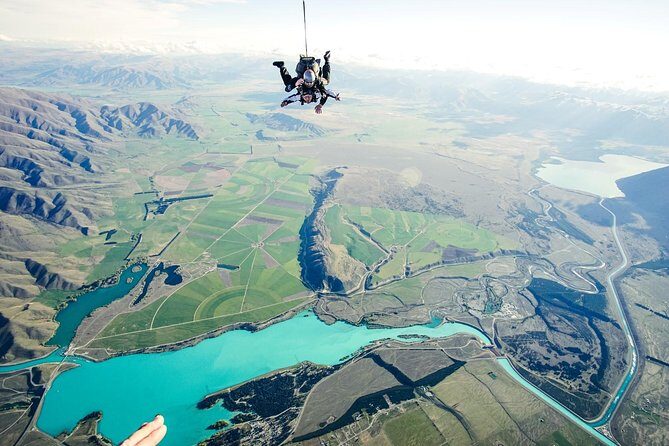
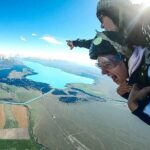
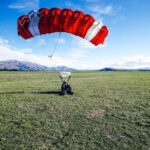
The headline is straightforward: 20+ seconds of freefall from 10,000 ft. That’s long enough to have a full sequence of emotions—shock, quick panic (for a moment), then the brain starts processing what you’re actually seeing.
From a value perspective, this matters because you’re not paying for a quick drop-and-done experience. You’re buying time in the air, and the listing is specific about it.
You also have a natural visual advantage here. When your view includes Aoraki/Mt Cook’s mountain shapes and ice features, the brain stays busy. The sky isn’t a blank blue space; it’s a moving panorama.
Tandem jump energy: safety focus with less stiffness
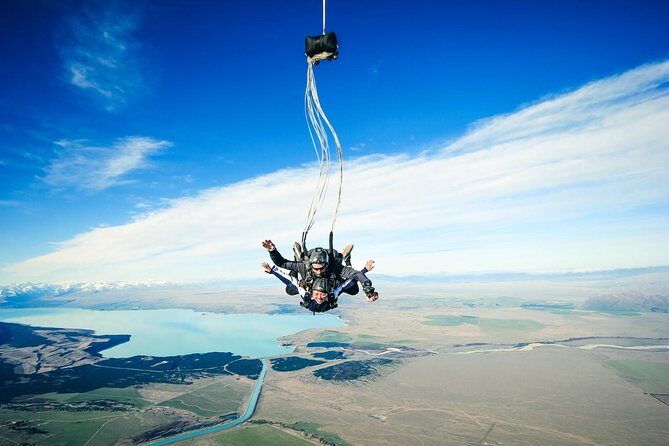
Most people try a first jump because they want the thrill—but they also want to feel safe. The stories you’ll find around Skydive Mt. Cook consistently point to professionalism and a friendly vibe.
One review highlights that the team was professional and friendly, and that they worked hard to make a first-time birthday skydive happen on short notice. Another mentions how easy banter helped take the edge off nerves. And a key detail: Lisa is named in a story where she went out of her way to coordinate timing.
That matters for you because first-timers usually aren’t scared of height alone. You’re also scared of the unknown: Will you understand what’s happening? Will you feel rushed? Will you freeze up when it’s time?
Based on the way people describe the staff, this is the kind of place that tries to keep you calm without turning it into a slow, awkward production.
Clouds and height adjustments: why flexibility is part of the deal
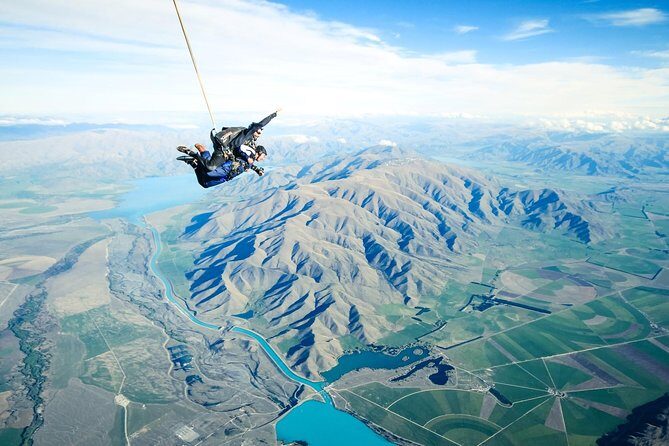
This experience requires good weather, and that’s not just fine print. One review mentions they had to adjust the height due to clouds. You should expect that the team may make practical choices if conditions aren’t ideal.
So here’s my advice: mentally plan for a range of outcomes, not one fixed “perfect scenario.” If clouds roll in, they’ll adapt to keep the experience within safe operating parameters.
The good news is that the cancellation rules for poor weather are handled sensibly: if the activity is canceled due to weather, you’ll be offered a different date or a full refund. That helps you avoid feeling trapped once you’ve committed.
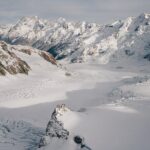
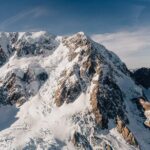
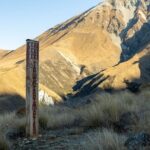
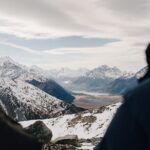
What you’ll see from above: mountains, glaciers, and lakes in one frame
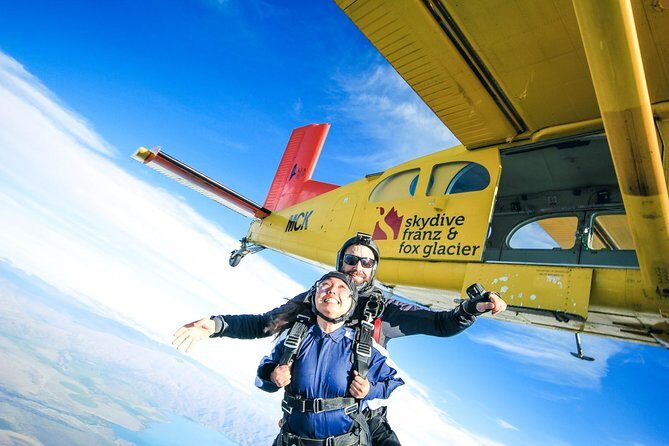
Let’s talk about the scenery like you’re standing on the ground looking at it right now. In this region, the terrain is bold and textured—rock faces, snowlines, and the sharp geometry of ice and water.
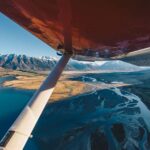
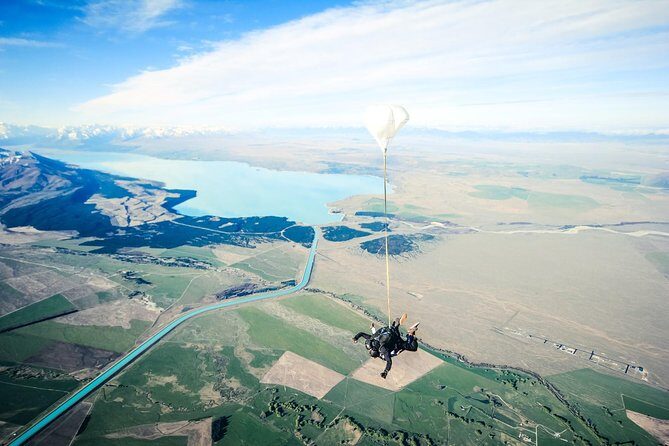
The jump description specifically calls out snow-capped mountains, glaciers, lakes, and Aoraki/Mt Cook National Park. From the sky, those features stop being “background.” They become landmarks. You can often start to recognize the shape of the valleys and the way glaciers sit in the landscape.
This is also why this skydive is a better fit than jumps that feel generic. When the view is part of the promise, your money buys something you can’t easily get any other way.
Price and value: what you’re paying for at $192.78 per person
At $192.78 per person, this isn’t the cheapest way to spend an evening. But value in sky activities comes from a few specific buckets:
- Time in the air (that 20+ seconds freefall is a real chunk of experience)
- Aircraft time and operations
- Tandem equipment and staff who run the show with safety-first routines
- A highly specific location where the view is the main attraction
Because the experience is listed at around 2 hours, you’re also not buying a half-day circus. You’re buying a concentrated burst of adrenaline and scenery.
If you’re choosing between “cheap thrill” and “memorable once-in-a-lifetime setting,” this one leans toward the memorable side, especially because the scenery is the selling point, not just the speed.
Who this experience fits best (and who might want a backup plan)
This is a great match if you:
- want a first-time tandem jump and want a staff that helps with nerves
- care about South Island scenery as much as the adrenaline
- are traveling as a couple, a small group, or someone celebrating a milestone
It also works for families or younger jumpers when they’re ready for the experience level. One story mentions a 15-year-old daughter rating it as the best thing she’d ever done, which tells me the team can handle that mix of excitement and nerves.
A possible mismatch: if your travel schedule is extremely tight and you can’t afford weather delays or a reschedule window, you may feel stressed. The operation needs good weather, and conditions can change the plan in-air.
Practical details that make a difference on the day
A few things that help you prepare without guessing:
- Mobile ticket is offered, so bring your phone battery or a backup.
- The group is capped at 9 travelers, which should keep the vibe calmer.
- It’s listed as near public transportation, which can help if you’re not driving.
- Service animals are allowed, which is good to know for accessibility planning.
- Confirmation is received at the time of booking, so you won’t be waiting for an email mystery.
I’d also come in with the mindset that you’re trading control for an experience. The team handles the technical side; your job is to show up ready and follow instructions.
After you land: the real souvenir is the memory
The experience ends back at the meeting point, so you’re not stuck figuring out where to go next. That’s helpful if you want to head straight to food, a drive back, or even just sit and process what happened.
One review describes a weekend with Skydive Mt. Cook as both exciting and relaxing, and mentions accommodation on site being convenient and comfortable. That’s a big deal if you’re planning a full mini-trip instead of a quick in-and-out.
If you can turn this into a longer stay, you’ll get more value from the region itself. If you can’t, that’s fine too—the jump is the centerpiece.
Should you book Skydive Mt. Cook?
Yes, if you’re chasing a first-time tandem experience with real scenery value—the kind where the view includes Aoraki/Mt Cook, glaciers, and lakes—plus a team described as professional, friendly, and helpful with nerves.
I’d book with confidence if:
- you’re okay with a weather-dependent plan (and possible height adjustments)
- you want a small-group setup (max 9)
- you’re the type who enjoys milestones like birthdays and big confidence boosts
I’d think twice if your schedule is so tight that even a weather reschedule would put you in a bind. But if you can give it some breathing room, this is one of those South Island experiences that feels completely tied to the place you’re standing in.
FAQ
How long is the skydive experience?
It’s listed as approximately 2 hours.
Where do I meet for Skydive Mt. Cook?
You meet at Skydive Mount Cook, 2 Swallow Drive, Pukaki Airport, Pukaki, Twizel 7999, New Zealand.
How long is the freefall and how high is the jump?
The freefall is described as 20+ seconds from 10,000 ft.
What is the price per person?
The price is $192.78 per person.
Is good weather required?
Yes. The experience requires good weather. If it’s canceled due to poor weather, you’ll be offered a different date or a full refund.
What cancellation window do I have?
You can cancel up to 24 hours in advance for a full refund. Changes made less than 24 hours before the start time are not accepted.