REVIEW · ROTORUA
Rotorua: Hell’s Gate Geothermal Walk
Book on GetYourGuide →Operated by Hell's Gate Geothermal Reserve & Mud Spa · Bookable on GetYourGuide
Hell’s Gate feels like another planet. This Rotorua geothermal walk gets you up close to bubbling mud volcano activity, steaming fumaroles, and hot-water features that reach extreme temperatures, plus an option for a guided route when you want the how-and-why. I especially love the chance to get right beside the boiling-feeling geothermal features (including the Southern Hemisphere’s largest hot waterfalls), and I also love that the guided tour adds personality and clarity, with guides like T, Liam, and Luke calling out what you’re seeing.
There’s one catch: the sulfur smell can be intense. It’s that strong, rotten-egg type odor, and it can also be rough on jewelry, so plan to travel light on metals and think about what you’ll wear.
In This Review
- Key highlights worth your time
- Hell’s Gate Geothermal Reserve: what this $26 ticket buys you
- Getting there from Rotorua: directions that make the drive painless
- Your self-guided geothermal route with the included map
- The guided walk at 10:30 and 2:30: why a local guide changes the feel
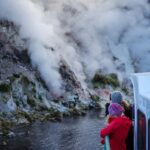
- What you’ll see up close: fumaroles, hot pools, sulfur crystals, and roaring water
- The mud foot pool and Māori carving at the end of the walk
- Smell, safety, and smart photo habits in a sulfur-heavy park
- Is it worth $26? Value compared with other Rotorua geothermal stops
- Should you book Hell’s Gate Geothermal Walk?
- FAQ
- How long does the Hell’s Gate geothermal walking route take?
- When do guided tours run?
- Can I do it self-guided?
- Is the entry ticket included in the $26 booking?
- What’s included with my booking?
- What should I bring?
- Is the Māori carving included for children?
- Is the mud foot pool included?
- Are there any restrictions like drones or smoking?
- What is the cancellation policy?
Key highlights worth your time
- New Zealand’s largest active mud volcano and a walk through the active geothermic field
- Steam and geothermal features at their best in rain, since the park is all-weather
- Two guided start times (10:30 AM and 2:30 PM) or a self-guided walk using the included map
- Up-close geothermal sights: fumaroles, hot water lakes/pools, sulfur crystals and deposits, and erupting water over 100°C
- Hands-on extras like a mud foot pool when available, plus a complimentary Māori carving
Hell’s Gate Geothermal Reserve: what this $26 ticket buys you
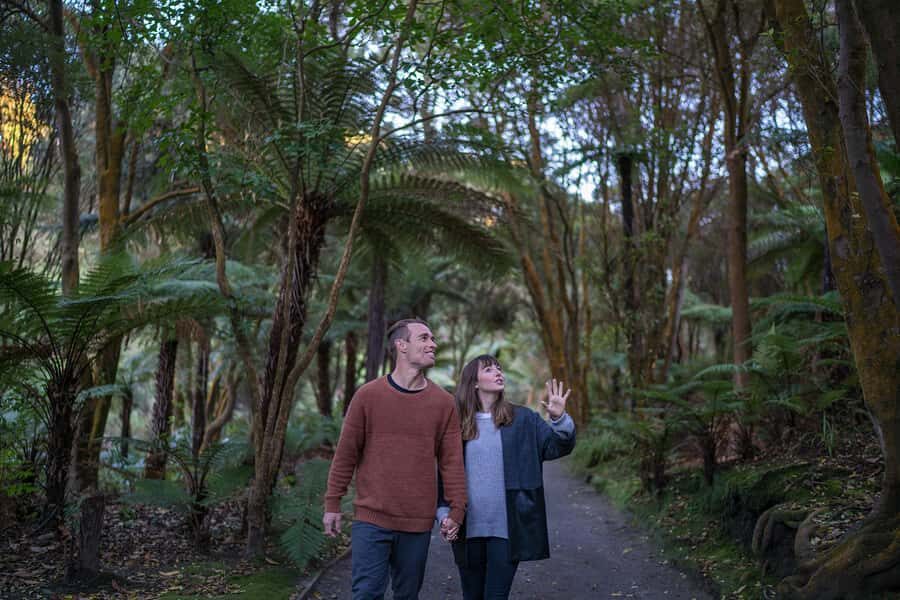
Hell’s Gate Geothermal Reserve (Tikitere) is built around one idea: show you geothermal activity while it’s happening. You’re walking through an active geothermal area where hot ground, bubbling mud, steam, and mineral deposits are the main characters. The standout facts here are big and specific: it’s home to New Zealand’s largest active mud volcano, and you’ll also find features described as the Southern Hemisphere’s largest hot waterfalls, plus erupting waters that can exceed 100°C.
Your booking price here is attractive because it includes several practical perks: a self-guided map, and when you choose the guided option, you get a local guide. You also get a complimentary Māori carving as part of the offering (though carving timing can depend on availability). One important note: the entry ticket is not included in this package, so you may need to pay that onsite or separately.
Is it worth it? For $26, you’re paying for guided interpretation potential, the map-driven route structure, and those cultural extras. If you’re the type who likes your sightseeing explained while you walk, the guided option is where the value jumps. If you prefer wandering with your own pace, the map is genuinely useful, and the route is short enough that you won’t feel like you’re out all day chasing steam.
You can also read our reviews of more walking tours in Rotorua
Getting there from Rotorua: directions that make the drive painless
Hell’s Gate sits just outside Rotorua, about a 15-minute drive from the city center. If you’re using your phone for navigation, you can keep it simple: from Rotorua, head east on SH30. Roughly 5 minutes past the airport, turn right toward Whakatane, then drive about 3 km down that road.
This matters because geothermal parks can eat time fast. You don’t want a long, stressful commute before you even start the walk. Hell’s Gate is close enough that you can pair it with other Rotorua activities without feeling like you’ve lost half the day.
Timing-wise, plan on about 1 hour for the geothermal walking route. If you add the guided component, the guided tour runs about 1.5 hours when operating. If you’re choosing between morning and afternoon guided options, consider your energy levels first. Rotorua days can get busy, and the walk itself is only as relaxing as your planning.
Your self-guided geothermal route with the included map
If you don’t want to lock into a start time, the self-guided option works well here. You get an included map for the geothermal walk, and it’s designed to help you move through the active area with clearer prompts about what you’re looking at.
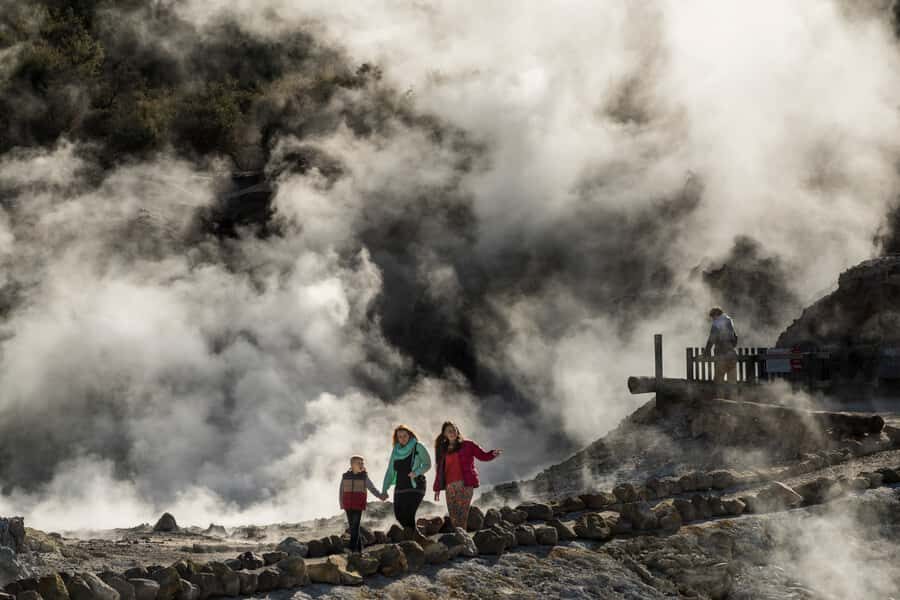
In practice, the walk tends to feel like a short stroll (many people describe it around 2 km), not a long trek. That’s a big deal at Hell’s Gate, because the ground and features are intense. Short routes are easier on your attention span. When steam, mud, sulfur smell, and mineral colors are all happening at once, you want quick waypoints—not a daylong endurance test.
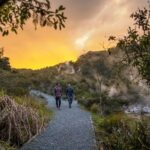
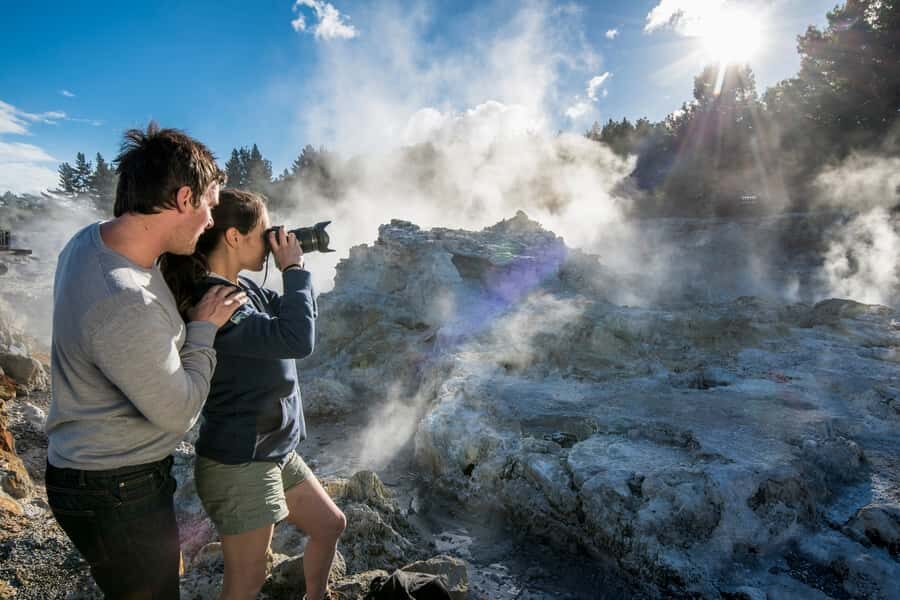
What you’ll be doing on the self-guided route is basically following the geothermal plain and stopping at points of interest: steaming fumaroles, hot water pools/lakes, sulfur crystals and deposits, and areas where geothermal forces show up in different forms, including examples of land coral. The park is also known for a vegetated section, where you can see plants growing in a place that still feels volatile.
One practical note: this is at its best when the weather cooperates, especially if it’s raining. If you’re self-guiding, rain can also make it harder to see details on your own. Bring the right gear (more on that later) so you can keep the experience fun, not slippery-stressful.
The guided walk at 10:30 and 2:30: why a local guide changes the feel
Hell’s Gate offers guided tours, but they don’t run all day. The guided option is available at 10:30 AM and 2:30 PM (subject to availability). When that timing lines up, I think the guided walk is the smarter pick for many people.
Here’s why. In a geothermal park, it’s easy to turn everything into visuals only: steam, mud, and sulfur smell blur together fast. A good guide gives you names, causes, and patterns. People specifically praise guides for explaining things like the geothermal properties of the pools and even where the vegetation fits into the story of the site.
Guides you might run into include T, Liam, and Luke, and the feedback is consistent: they combine clear explanations with humor and storytelling. That mix matters because the park can feel intense. When you understand what you’re looking at, the weirdness becomes fascinating instead of just overwhelming.
The guided program also tends to add the hands-on pieces more reliably, depending on availability. Some tours include experiences like the mud foot pool, and you may get more context before you get close to the geothermal features. If you want a guided experience for safety and clarity, I’d build your day around one of those two start times instead of trying to wing it.
What you’ll see up close: fumaroles, hot pools, sulfur crystals, and roaring water
The selling point of Hell’s Gate is simple: you don’t just look at geothermal features, you see them working. The park includes multiple types of geothermal activity, so you’re not stuck staring at one kind of pool all hour.
Expect to encounter:
- Steaming fumaroles where geothermal gases vent through cracks and ground
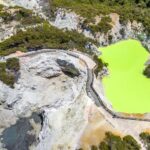
- Hot water pools and hot water lakes, fed by geothermal heat beneath the surface
- Sulfur crystals and mineral deposits, often bright and textured
- Boiling hot pools and erupting waters that can run above 100°C
- A standout hot waterfall feature described as the Southern Hemisphere’s largest
- Areas that include land coral, a geothermal mineral formation people find surprisingly interesting
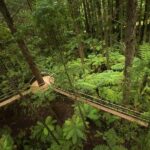
The reviews also highlight a vegetated section. That’s a cool moment because it shows how life adapts even in harsh conditions. You can look at the plants and then watch where the heat and minerals are changing the ground around them.
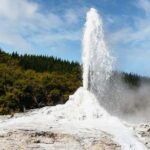
The one feature that can surprise people is what’s not the main event. Some visitors note there isn’t a classic hot-water geyser here in the same way you might see elsewhere. So if your mental checklist is a big geyser blast, you should come thinking more in terms of mud, steam vents, hot pools, sulfur minerals, and geothermal “systems” rather than one signature geyser.






The mud foot pool and Māori carving at the end of the walk
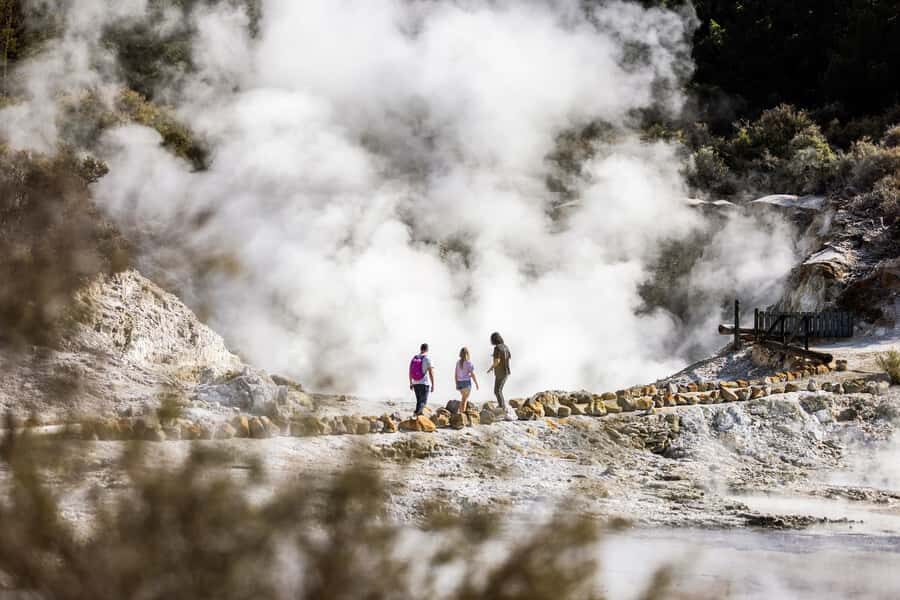
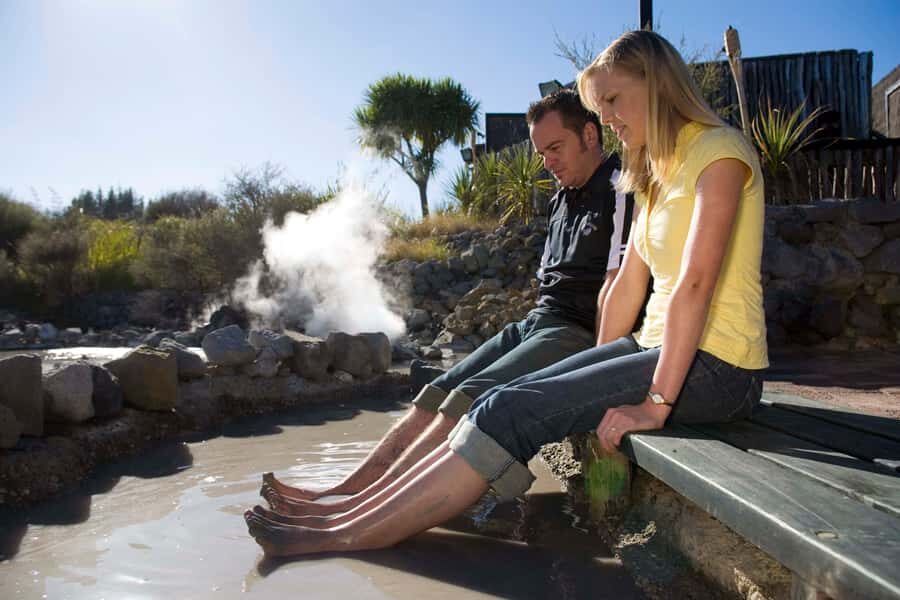
Hell’s Gate adds a tactile and cultural finish, which helps it feel more complete than a basic nature stop. The guided offering is the piece most likely to include hands-on fun, including a mud foot pool when it’s available. Some people even mention feeling the mud as part of the experience, which is exactly the kind of sensory moment that makes geothermal parks memorable.
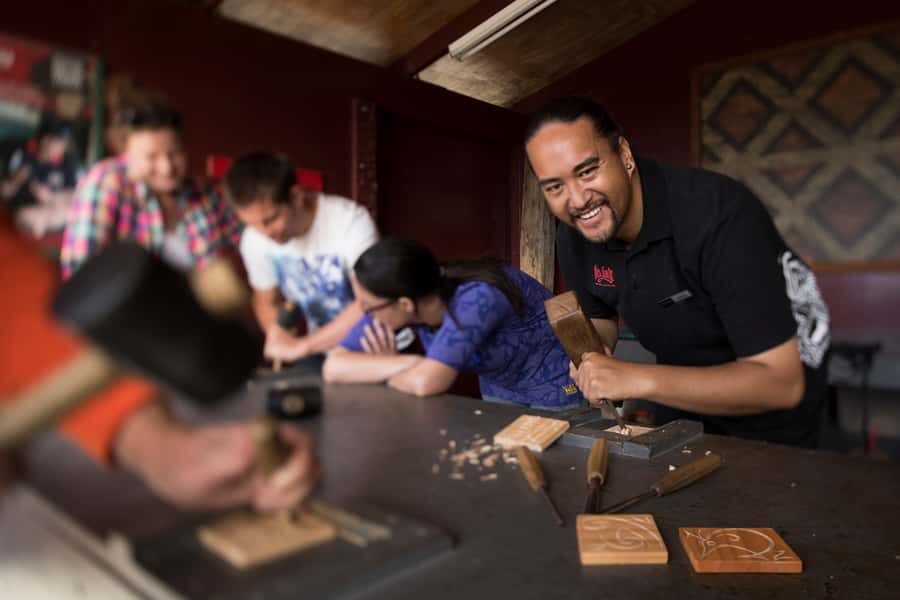
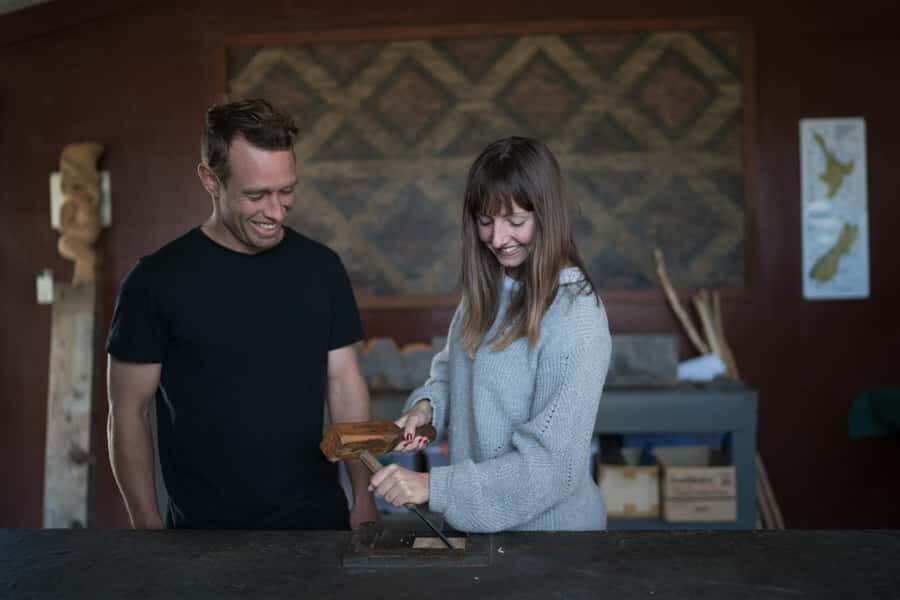
After the geothermal walk portion, you may also have the chance for a complimentary Māori carving. That’s a meaningful cultural activity, and it’s also the kind of structured break that keeps the day from being only smell-and-steam.
There are two practical limitations you should know:
- The Māori carving is subject to availability
- Children must be 12 and over to participate in the carving
If you’re visiting with kids, plan your expectations around that age rule. And if you’re going as an adult who enjoys hands-on arts, it’s worth pacing yourself during the walk so you still have energy for the carving session when it’s offered.
Smell, safety, and smart photo habits in a sulfur-heavy park
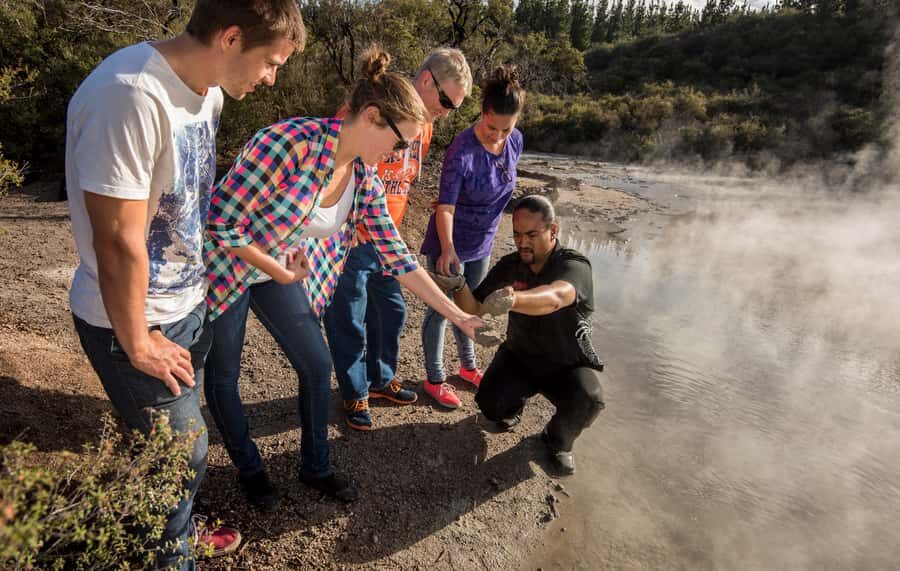
Hell’s Gate is not a delicate place. It’s active geothermal ground, and it shows you why. The sulfur smell can be strong, and that odor isn’t just unpleasant. It’s also a reminder that the air and minerals are chemically active.
A few practical tips that can save your day:
- Wear comfortable shoes you can trust on wet or uneven ground
- Bring sunglasses and sunscreen. Even with clouds, you’ll be outside for a while
- Use water during your walk, especially if you’re doing the guided option
- If you have gold or silver jewelry, consider leaving it behind. Some visitors noted that sulfur fumes/residue can tarnish metals.
You’re also asked not to smoke, and no drones are allowed. That’s worth taking seriously because geothermal parks are already high-sensitivity places.
If you’re hoping for rain magic, you’re in luck. Hell’s Gate is described as an all-weather experience and is said to be at its best when it’s raining. If rain is in the forecast, you might want to purchase a rain cape onsite, since they’re available there. Just don’t count on staying completely dry. Think rain gear first, then photos second.
And yes, it can be dangerous in the way hot geothermal ground can be dangerous anywhere. Stay within the marked areas, keep a steady pace, and don’t treat the steam like scenery that can’t burn.
Is it worth $26? Value compared with other Rotorua geothermal stops
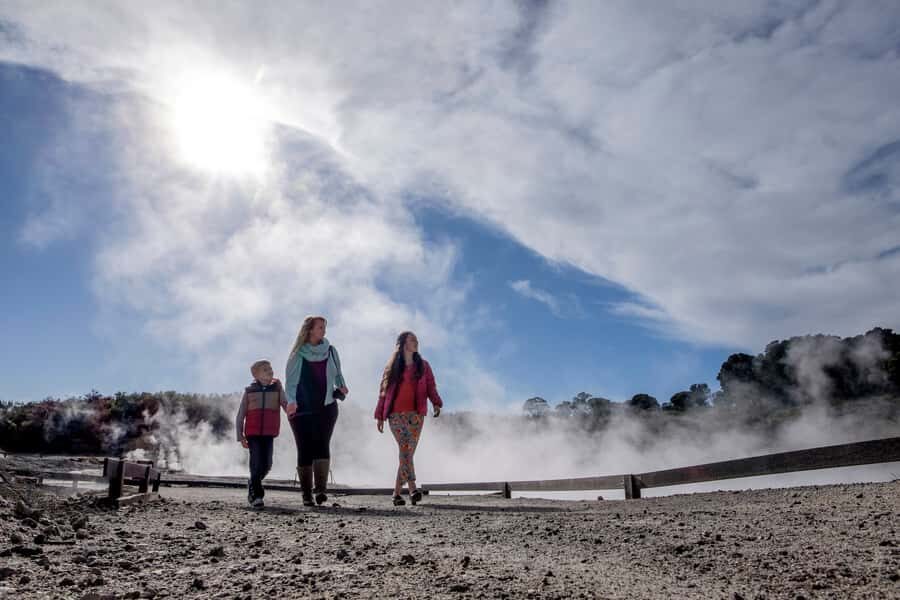
At $26 per person for this Hell’s Gate experience, the value depends on how you like to travel.
If you prefer self-guided travel, this package still has substance because you get an included map and a route that takes about 1 hour. That short duration is part of the value. You can get a strong geothermal hit without committing to a half-day.
If you like interpretation (and most people who enjoy “why” are happier with it), the guided option at 10:30 AM or 2:30 PM is where you should lean. It adds a live guide, and people consistently praise the guides for being fun, and for explaining both geology and what’s happening in the pools.
Then there are the add-ons that matter for value:
- Māori carving is included, but only when availability allows
- The mud foot pool is also subject to availability, but when it happens, it’s the kind of hands-on memory that justifies the ticket
One more balancing factor: the entry ticket isn’t included. So budget for that extra cost when you’re planning. Still, even with an additional entry fee, $26 plus map plus cultural activity can be a good deal for a one-hour geothermal experience.
Should you book Hell’s Gate Geothermal Walk?
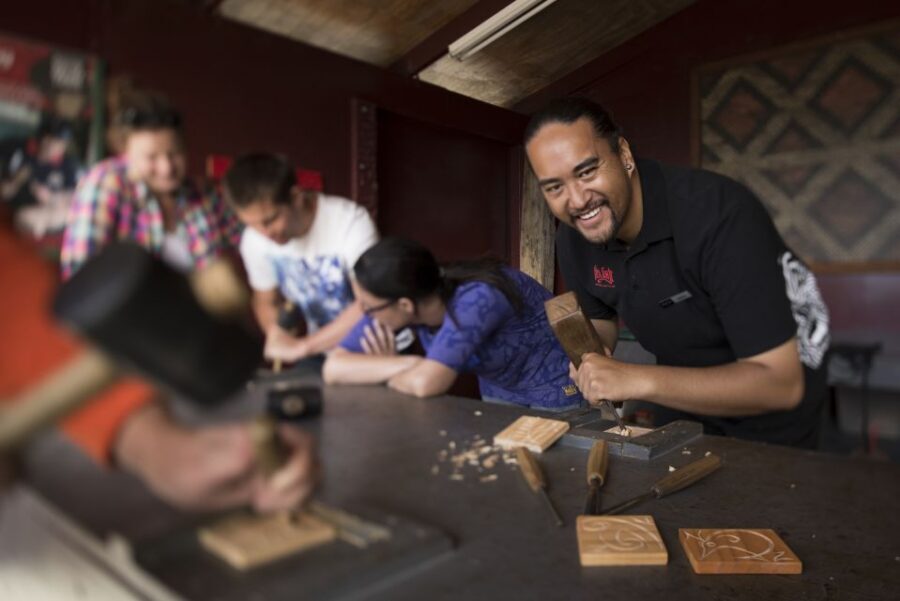
Book Hell’s Gate if you want a close-up geothermal experience in Rotorua with enough structure to keep you from guessing what you’re seeing. If your schedule can match 10:30 AM or 2:30 PM, I’d seriously consider going guided. A good guide turns a walk full of steam and sulfur into something you can actually explain afterward.
Skip or rethink if you’re sensitive to strong smells. Sulfur odor is a real factor here, and the environment can also affect jewelry finishes. Also, this experience is not suitable for people with mobility impairments, so plan an alternative if that’s relevant for your group.
If you’re debating between a guided versus self-guided day, here’s the simple rule: choose guided if you want answers and hands-on context; choose self-guided if you want flexibility and you’re happy using the map. Either way, go in expecting the park to feel dramatic, wet, and alive.
FAQ
How long does the Hell’s Gate geothermal walking route take?
The geothermal walking route takes about 1 hour to complete.
When do guided tours run?
Guided walking tours are available at 10:30 AM and 2:30 PM (subject to availability).
Can I do it self-guided?
Yes. You can explore independently using the included map. Guided walks are optional and depend on availability.
Is the entry ticket included in the $26 booking?
No. The entry ticket is not included.
What’s included with my booking?
You receive a map for the geothermal walk, and a complimentary Māori carving. If you choose the guided option, the guided tour is included (guided sessions are about 1.5 hours when available).
What should I bring?
Bring comfortable shoes, sunglasses, sunscreen, water, and weather-appropriate clothing.
Is the Māori carving included for children?
The Māori carving is complimentary, but it’s subject to availability. Children must be aged 12 and over to participate in the carving.
Is the mud foot pool included?
The mud foot pool is subject to availability, so it may or may not be offered during your visit.
Are there any restrictions like drones or smoking?
Smoking is not allowed, and drones are not allowed. The experience is also not suitable for people with mobility impairments.
What is the cancellation policy?
You can cancel up to 24 hours in advance for a full refund.