REVIEW · ROTORUA
Whaka Trails and Maori Village Combo Tour
Book on Viator →Operated by Whakarewarewa, The Living Maori Village · Bookable on Viator
Steam hits your face fast. This combo tour in Rotorua mixes a living Māori village visit with walkways that follow geothermal features, so you’re not just seeing nature—you’re learning how people live next to it.
I like that the village tour is led by people from the community, with stories tied to everyday life, not a scripted lecture. I also love the practical, hands-on touch of the corn cob tasting, cooked in the thermal pools, plus the chance to watch Pohutu Geyser from viewing platforms.
One possible drawback: this is a weather-dependent experience, and you’ll be walking around geothermal trails for the full effect. Also, coffee/tea, lunch, and bottled water aren’t included, so plan a snack stop strategy for after (or bring what you can).
In This Review
- Key Takeaways Before You Go
- Your First Look at Whakarewarewa’s Hot-Spring World
- The Village Guided Tour: Pohutu Geyser Lookouts and Corn in the Thermal Pool
- What you’ll do in the guided part
- Why the guided format actually matters
- A realistic watch-out: sitting and cultural show sightlines
- Walking the Whaka Geothermal Trails on Your Own
- What to expect on the trails
- Why this self-guided portion is valuable
- The Pohutu Geyser Timing Game (and How to Win It)
- What you can control
- Cultural Respect: Ask Good Questions, Keep the Mood Right
- Food and That Corn Cob Moment
- Pricing and Value: What $54.30 Really Buys You
- Practical Details That Affect Your Day
- How long it takes
- Group size
- Weather dependence
- Meeting point
- Who Should Book This Combo Tour
- Should You Book It?
- FAQ
- How long is the Whaka Trails and Maori Village combo tour?
- Where does the tour start and end?
- What does my ticket include?
- Does the tour include Pohutu Geyser viewing?
- Is the corn cob cooked in thermal water included?
- Do I get time to walk the geothermal trails by myself?
- What’s the maximum group size?
- Is this tour family-friendly?
- Is free cancellation available?
Key Takeaways Before You Go
- A living village, not a museum: you visit Whakarewarewa, where Māori community life continues.
- Pohutu Geyser view platforms: the tour includes lookout stops where you can catch eruptions.
- Geothermal Trails access included: after the guided time, you get self-guided walking time on the Whaka geothermal trails.
- Corn cooked in hot pools: tasting the corn is part of the experience, not an add-on.
- Small group size: with a maximum of 20 travelers, it’s easier to hear your guide and ask questions.
- Choose good timing and respect the site: cultural and geothermal rules matter here, and your attitude shows.
Your First Look at Whakarewarewa’s Hot-Spring World
If Rotorua feels like a place where science and culture overlap, that’s because it does. This tour is built around Whakarewarewa, often described as a living Māori village sitting directly over geothermal activity. Instead of stopping at one viewpoint and moving on, you get guided time where the guide explains how geothermal energy shapes daily routines—then you continue on your own along geothermal trails.
The vibe is family-friendly and approachable. It’s also sized small enough (up to 20 people) that you’re not lost in a crowd. That matters here, because a big chunk of the value is hearing explanations while you stand beside steaming pools and bubbling ground features.
You’ll start at 17 Tryon Street, Whakarewarewa, and the activity ends back at the same meeting point. Most trips run about 1 to 3 hours total, depending on how long you linger on the trails and how the geyser timing works that day.
You can also read our reviews of more tours and experiences in Rotorua.

The Village Guided Tour: Pohutu Geyser Lookouts and Corn in the Thermal Pool
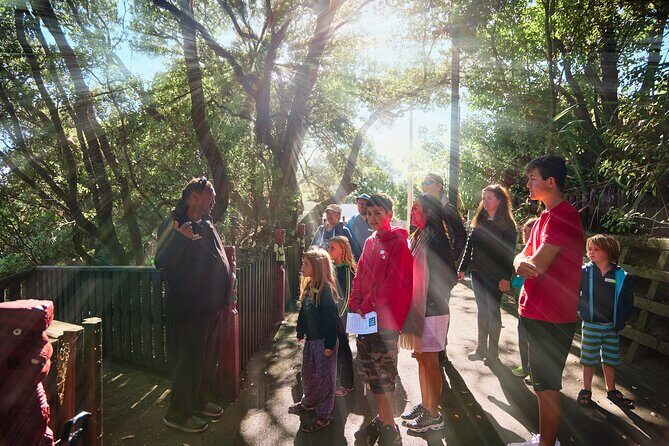
The heart of this combo is the guided village portion. You’ll take a guided tour through Whakarewarewa, with a focus on how the village uses geothermal resources and what daily life looks like when hot springs and mud pools are right underfoot.
What you’ll do in the guided part
Here’s what the flow is designed to deliver:
- You tour the village with guidance on history, traditions, and culture, plus how geothermal energy is used.
- You visit lookout platforms for Pohutu Geyser. The information provided for Pohutu notes it erupts up to about two times per hour, so your timing has a real chance to line up with an eruption.
- You get a corn cob tasting, cooked in the village’s largest hot pool. This is one of those Rotorua experiences that doesn’t feel like a gimmick because it’s tied to local life and land-based geothermal use.
Why the guided format actually matters
Rotorua has plenty of geothermal sights you can see on your own. But the village guide gives context: why certain areas are accessed in specific ways, what geothermal features mean to the community, and how the energy is used for cooking and water-related routines.
In reviews, village guides like Angela and Daniel get singled out for storytelling that’s relaxed, funny, and easy to follow—exactly what you want when you’re standing next to something that looks straight-up unreal. Other guide names that show up in the feedback include Mirama and Waimairia, and the common thread is that the tour aims to teach you without making you feel like you’re stuck in a classroom.
A realistic watch-out: sitting and cultural show sightlines
Some visits include a cultural performance element. One review mentions the Maori dance show being enjoyable but with seats that can be hard to see past people in front, especially if you’re shorter. Practical takeaway: if your tour includes seating, try for the ends, front, or very back to improve your view.






Walking the Whaka Geothermal Trails on Your Own
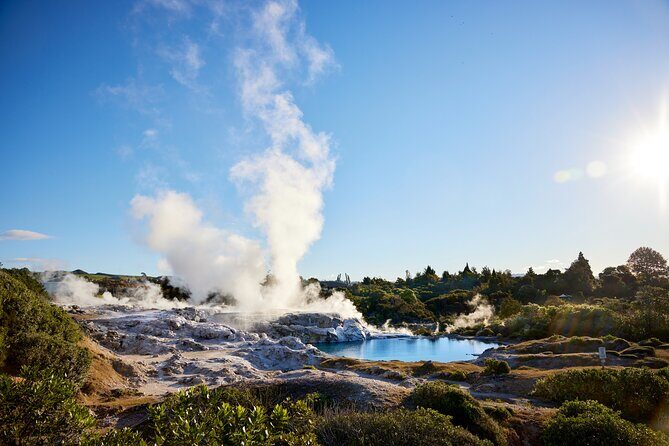
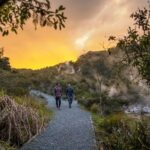
After the guided portion, you get access to the Whaka Geothermal Trails with self-guided walking time. This is where the tour shifts from learning to experiencing—slow down, look closely, and let the place do its own talking.
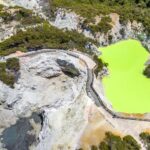
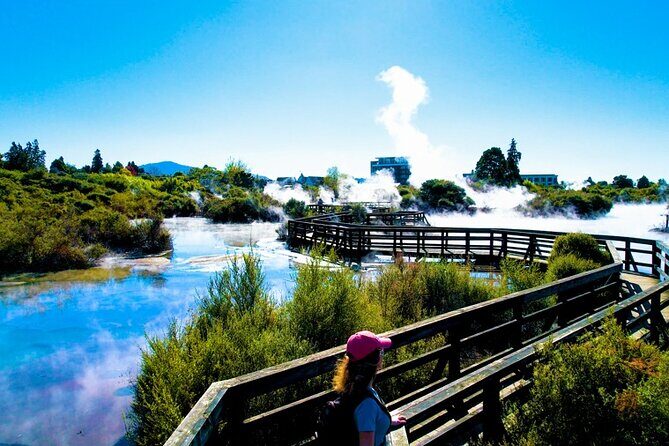
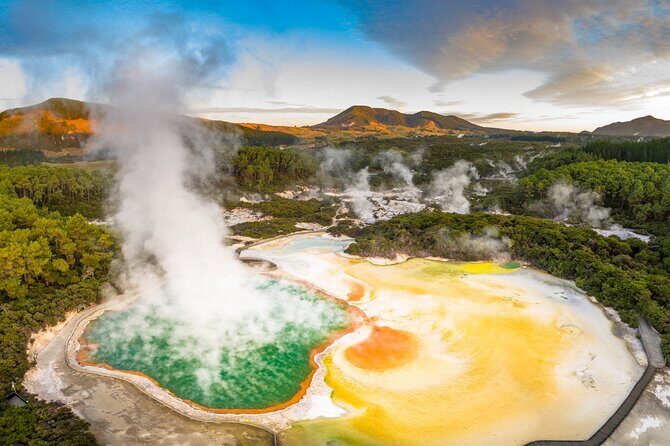
The trails are described as giving visitors exclusive access to geothermal landscapes described as raw nature of Papatuanuku (mother-earth). One review also describes the walking as easy and worth it, calling out thermal springs you can see along the route.
What to expect on the trails
While the trails aren’t presented as a long trek, the intent is to let you move through active geothermal areas and see more than just the big headline sights. You’re likely to notice things that photographers love:
- Bubbling mud and thermal pools
- Steam vents and heat features
- Changes in color and texture typical of geothermal ground conditions
And because this is self-guided, you can linger at the spots that catch your eye—rather than being rushed forward by the schedule.
Why this self-guided portion is valuable
A common mistake in Rotorua is seeing just one or two geothermal hotspots and assuming you’ve understood the whole picture. The trails portion fixes that. You get a more layered sense of scale and variety, and you can take your time matching what the guide explained to what you’re actually seeing in front of you.
If your group includes teens or tweens, this part often lands well because it gives them a change of pace after the guided storytelling. One review says teen and tween visitors loved the village tour and the guide’s stories—then followed it with a geothermal walk that made the whole day feel more complete.
The Pohutu Geyser Timing Game (and How to Win It)
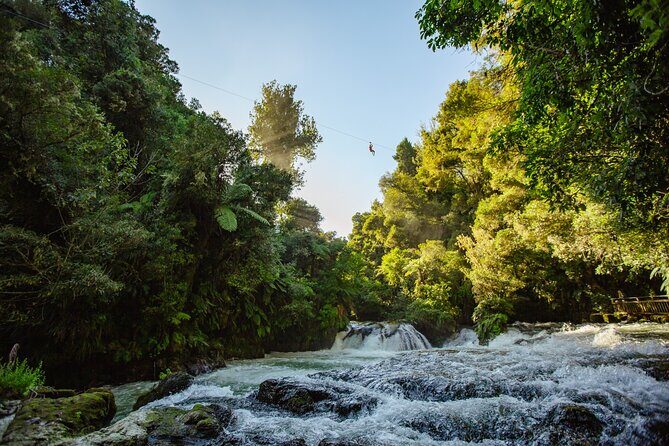
Pohutu Geyser is the name you’ll hear, and it’s the show you’ll hope to catch. The tour information states Pohutu erupts up to about two times per hour, and your guided time includes visits to two lookout platforms where you can view it.
What you can control
You can’t force an eruption on demand, but you can set yourself up to see it:
- Stay with your group and listen to where the guide directs you.
- Don’t treat the eruption as a bonus. Treat it as the main event of the lookout time.
If you’re the type who loves photos, bring patience. Sometimes you get an eruption right away, sometimes you wait. Either way, the platforms give you a better chance than standing around in the wrong spot.
Cultural Respect: Ask Good Questions, Keep the Mood Right
This is a Māori village tour, so culture and respect aren’t extras—they’re the point. Most of the reviews are strongly positive about guides making the experience feel educational rather than hokey, and about getting real insight into living with geothermal resources.
At the same time, one low review mentions a guide coming across as confrontational around British Empire topics. I can’t generalize that to every visit or guide, but it’s a fair signal that history discussions can sometimes get heated. If you’re sensitive to political or colonial history, it’s smart to go in with calm expectations and a respectful tone yourself. You’ll get more out of the experience when you treat it like a conversation with people living their heritage—not a performance you’re grading.
Also, remember this is a living community. Your best move is simple: behave like an invited visitor. That means listening, staying on the route, and not rushing your photos at the expense of the moment.
Food and That Corn Cob Moment
Let’s talk about the corn cob, because it’s one of the few guaranteed “hands-on” items you’ll remember later.
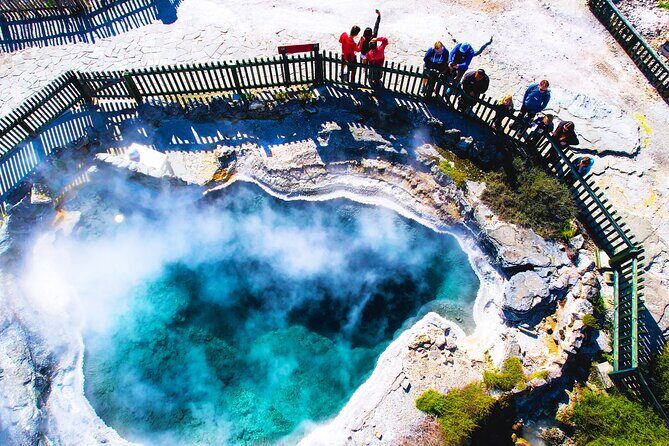
In the tour description, you’ll taste corn cooked in the village’s largest hot pool. That’s a small thing, but it lands because it connects geothermal science to everyday life. It’s not just a weird experiment; it’s what the community uses heat from the earth for.
In reviews, people mention tasting the corn cooked in thermal pools as amazing and memorable. Another review even adds details like community cooking over hot steam and how geothermal energy supports daily routines such as heating water for bathing. Even if you don’t see every element on your day, you’ll likely come away understanding geothermal use as practical, not mystical.
Pricing and Value: What $54.30 Really Buys You
At $54.30 per person, this tour doesn’t look “cheap,” but it also doesn’t feel overpriced when you break down what’s included.
Included:
- Village guided tour at Whakarewarewa
- Access to the Whaka Geothermal Trails
Not included:
- Coffee and/or tea
- Lunch
- Bottled water
So the value is in getting both parts of the experience under one ticket: guided cultural context plus geothermal trail access. If you tried to stitch this together yourself (separate entrances and multiple stops), you’d likely end up paying more in time, transport, and coordination. Here, the schedule keeps you in the right place at the right times for Pohutu viewing.
Where the cost can feel different is if you arrive hungry or thirsty. Since drinks and meals aren’t included, you may want to plan your food timing around the tour length so you’re not stuck buying something small later.
Practical Details That Affect Your Day
A few operational bits matter more than they seem.
How long it takes
The overall duration is listed as about 1 to 3 hours. The guided village portion includes dedicated time for Pohutu platforms, and the trails are self-guided. If you’re tight on time, this is still one of the better ways to see a lot without spending half your day driving around Rotorua.
Group size
With a maximum of 20 travelers, the tour tends to feel less like a conveyor belt. That’s helpful for questions and for hearing what the guide is saying while you’re gathered at viewpoints.
Weather dependence
The experience requires good weather. Rotorua can be dramatic, and geothermal areas don’t stop being active just because it’s wet—but visibility, comfort, and safety do change. If weather causes cancellation, you’ll be offered a different date or a full refund.
Meeting point
Start and end at 17 Tryon Street, Whakarewarewa. That’s a clean, easy anchor point for planning the rest of your day.
Who Should Book This Combo Tour
I’d put this tour at the top of your list if you want Rotorua to feel authentic and human. It’s a great match if you:
- Want both culture + geothermal science in one outing
- Prefer a smaller-group format with time for questions
- Enjoy short walks and photo stops rather than a long hike
- Are traveling with kids or teens who benefit from a guided explanation plus a self-paced component
It’s also a strong choice if you dislike the idea of just watching steam from a distance. Here, you’re walking through geothermal features with context for what you’re seeing.
Should You Book It?
Yes—if your goal is to experience Rotorua as a living place, not just a stop on a checklist. The combination of a resident-guided Whakarewarewa visit, Pohutu Geyser lookout platforms, and included access to the Whaka geothermal trails makes the $54.30 feel fair. The corn tasting is also a standout because it ties geothermal power to something you can taste.
Skip it or rethink timing if you’re heading in during questionable weather or you want a very low-effort, sit-only activity. And as with any cultural tour, go in with curiosity and respect—your best day comes from how you show up, not just what you see.
FAQ
How long is the Whaka Trails and Maori Village combo tour?
The duration is listed as approximately 1 to 3 hours.
Where does the tour start and end?
You meet at 17 Tryon Street, Whakarewarewa, Rotorua 3010, New Zealand, and the tour ends back at the same meeting point.
What does my ticket include?
Your combo ticket includes access to the Whaka Geothermal Trails and a guided tour through the Whakarewarewa Living Maori Village.
Does the tour include Pohutu Geyser viewing?
Yes. The guided portion includes visits to lookout platforms to view Pohutu Geyser, which erupts up to about two times per hour.
Is the corn cob cooked in thermal water included?
Yes. The guided tour includes a tasting experience of a corn cob cooked in the village’s largest hot pool.
Do I get time to walk the geothermal trails by myself?
Yes. After the guided tour, you can take a self-guided leisurely walk on the Geothermal Trails.
What’s the maximum group size?
The tour has a maximum of 20 travelers.
Is this tour family-friendly?
The description says it is a family-friendly combo tour.
Is free cancellation available?
Yes, free cancellation is offered. You can cancel up to 24 hours in advance for a full refund.