REVIEW · ROTORUA
National Kiwi Hatchery – Kiwi Encounter Guided Tour
Book on Viator →Operated by National Kiwi Hatchery · Bookable on Viator
Kiwi chicks stop time. This 1-hour guided tour at Rotorua’s National Kiwi Hatchery pairs egg incubation and hatching techniques with a darkened Nocturnal House where you can watch kiwi roam and forage. I love the close-up look at incubation and hatching, and I love that the experience is tied directly to a real conservation program. The one drawback is timing: outside the hatching window (September to March), you may not see eggs or chicks, just live resident kiwi in the nocturnal enclosure.
This is a strong rainy-day option for families and wildlife lovers, since most of the tour is indoors at the Agrodome. Guides such as Theresa, Carol, Nico, Teresa, and Kai come up again and again for clear, friendly explanations (including plenty of humor to keep kids engaged).
In This Review
- Key highlights you’ll actually care about
- Rotorua’s Kiwi Hatchery at the Agrodome: what this ticket really buys
- Stop 1: Entering the hatchery—eggs, incubation systems, and hatching techniques
- The Nocturnal House: seeing kiwi roam and forage in the dark
- Interactive kiwi burrow: the life cycle story from egg to adult
- Best time to go: September to March vs. the rest of the year
- Who this tour fits best (and who should think twice)
- Practicalities: timing, comfort, and what to pack
- Value check: is $47.74 worth it?
- Should you book the National Kiwi Hatchery guided tour?
Key highlights you’ll actually care about
- Egg incubation and hatching process shown in a purpose-built facility (not just a poster wall)
- September to March = best odds for seeing kiwi eggs and newly hatched chicks
- Nocturnal House roaming: you get to watch kiwi foraging behavior in a nocturnal-style enclosure
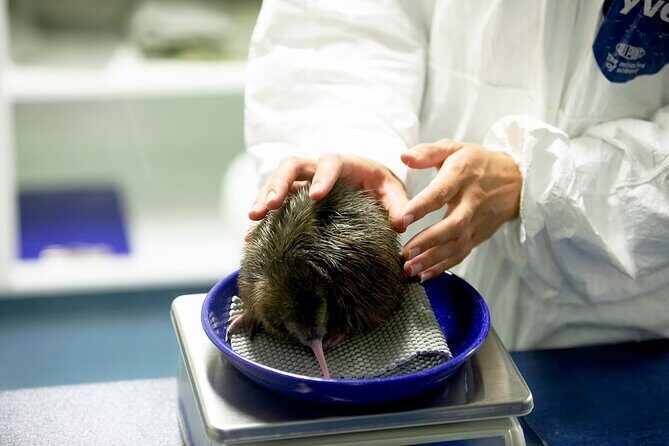
- Health checks and feeding moments (Sep–Mar) give you a real sense of daily husbandry
- Interactive kiwi burrow helps you understand the full life cycle from egg to adult
Rotorua’s Kiwi Hatchery at the Agrodome: what this ticket really buys
The National Kiwi Hatchery tour is simple on paper: you get a 1-hour guided experience at the hatchery site in Rotorua, plus time in kiwi-focused interactive areas. But the value sits in what you’re looking at. This isn’t a zoo-style walk-through. It’s a working conservation hub that shows you how kiwi eggs are incubated, how chicks are hatched and cared for, and how researchers try to improve survival.
The ticket price is $47.74 per person, which is not cheap for an hour. I think it makes sense if you care about wildlife conservation and want more than a quick sighting. Your money supports the hatchery’s kiwi program, and the experience is built around learning how the work actually happens—incubation systems, husbandry routines, and the life cycle story.
One nice bonus for practical travelers: the experience uses a mobile ticket, and there’s a return shuttle from the check-in zone at the Agrodome. That means less time figuring out logistics and more time inside where the action is.
You can also read our reviews of more guided tours in Rotorua
Stop 1: Entering the hatchery—eggs, incubation systems, and hatching techniques
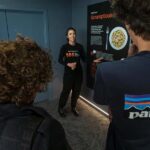
The guided part starts with the hatchery itself. This is where the tour earns its ticket price. You’re led through a state-of-the-art, purpose-built facility designed specifically for kiwi husbandry—egg incubation, hatching methods, and chick rearing.
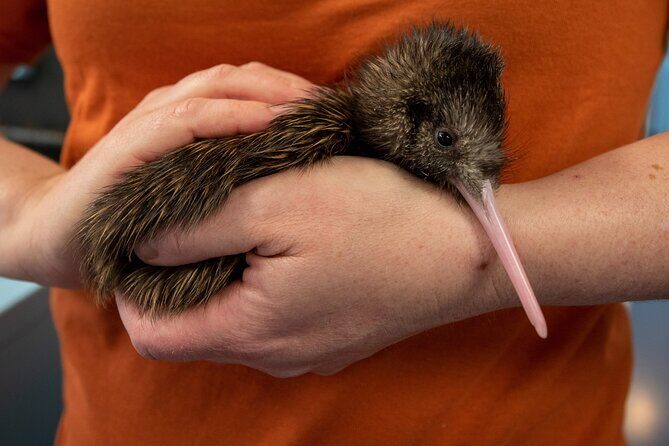
If you’re going in the best season (September to March), this is the part you’ll be watching hardest. You may get to see kiwi eggs being incubated and learn how the team checks development. During this window, the experience can also include moments like chicks receiving health checks, being weighed, or being fed—small events, but huge for understanding how much daily care goes into saving an endangered species.
If you’re going outside that window, don’t panic, just adjust expectations. The hatchery says you may not see eggs or chicks when hatching season is down. You still get the tour and the conservation context, but the “baby kiwi wow factor” shifts toward observing live kiwi in the nocturnal area instead of inside the hatching timeline.
The Nocturnal House: seeing kiwi roam and forage in the dark
After the hatchery segment, the tour moves you into the Nocturnal House, where kiwi roam and forage in a purpose-built nocturnal enclosure. The big idea here is behavioral. Instead of only learning about kiwi in theory, you’re watching how they act—moving, searching, and doing the things that make them hard to spot in the wild.
This enclosure also changes the atmosphere in a good way. From the way the experience is described, it’s typically quiet and dark enough that you feel like you’re watching kiwi on their schedule, not on yours. That authenticity matters, especially for families. Kids often go from handheld curiosity to real “wait, that’s a kiwi?” wonder once the pacing slows.
One practical note: kiwi can be shy, and the tour experience is structured to let you observe without rushing them. In past visitor experiences, photography is restricted in kiwi viewing areas, likely because movement and flashes don’t help animals stay calm. So plan on being present, not building an Instagram folder.
Interactive kiwi burrow: the life cycle story from egg to adult
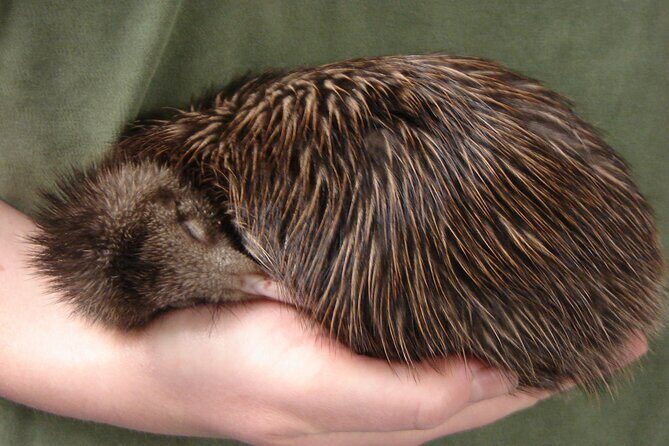
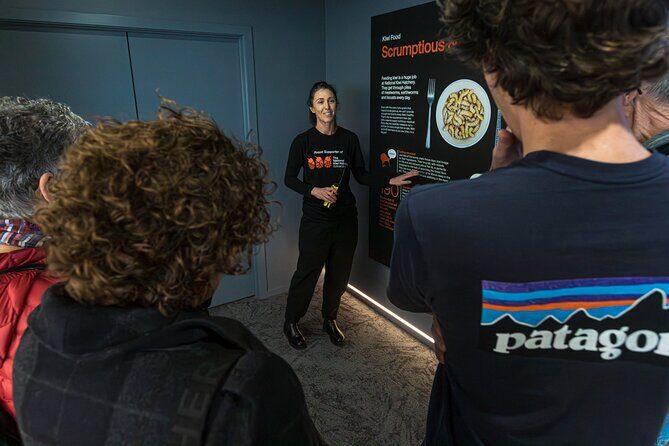
Right after the nocturnal viewing, you’ll get access to an interactive and immersive kiwi burrow. This is where the tour stitches together what you just saw: incubation and hatching on one side, and foraging behavior on the other.
Even if you’ve heard kiwi facts before, the burrow format tends to make the life cycle stick. You see how kiwi development starts at the egg stage, then moves into chick growth, and eventually into the kind of adult kiwi behavior you were just watching in the Nocturnal House. For many families, it’s the part that turns a one-hour stop into something the kids can explain later at dinner.
This is also a good area if your group includes mixed ages. Older kids like the conservation mechanics. Younger ones tend to respond to the hands-on, story-driven format.
Best time to go: September to March vs. the rest of the year
Here’s the reality check that will save you disappointment: hatching is September to March. That’s when you have the highest chance to see kiwi eggs and chicks. If you go in that window, you can reasonably expect your tour to include more “actual baby kiwi sightings” rather than mostly adult kiwi behavior and interpretive displays.
Outside September to March, the tour can still be worth it. You may not see eggs or newborns, but you can still observe resident adult kiwi foraging in the Nocturnal House. And if your main goal is learning about conservation work and seeing kiwi in a nocturnal-style enclosure, you’ll still get plenty.
My practical advice: if you’re aiming for the strongest chance of newborn encounters, plan your Rotorua days around September–March. If your schedule doesn’t cooperate, go anyway and treat it like a conservation-and-behavior tour, not a hatchling guarantee.


Who this tour fits best (and who should think twice)
This is an ideal activity for animal lovers and wildlife-curious families in Rotorua, especially on rainy days. Most of the tour is indoors, and the pace is designed for a wide range of ages.
Children must be at least 5 years old to participate. So if you’re traveling with younger kids, you’ll need a different plan.
This tour is also a strong pick if you enjoy calm, respectful animal encounters. Kiwi aren’t flashy like some big mammals. Your reward is patience: watching natural behaviors in a controlled, quiet environment and learning how conservation teams manage a species that’s difficult to protect.
If you’re the kind of traveler who wants action every five minutes, you might find the hatching segment more educational than exciting—especially outside the hatching window. Still, the chance to see how incubation and chick rearing work is exactly what makes the experience stand out.
Practicalities: timing, comfort, and what to pack
The tour runs for about 1 hour, and you’ll want to check in 15 minutes before departure time. It’s located at the Agrodome in Rotorua, and there’s a return shuttle back to the check-in zone from the facility.
A couple of traveler-friendly details matter here:
- Near public transportation: good if you’re not renting a car.
- No food or drinks included: bring water and plan a snack stop before or after.
- Weather-proof feel: Rotorua rain is common, and this is the kind of plan that doesn’t fall apart when clouds roll in.
If you’re worried about dark enclosure comfort, dress for cooler indoor conditions. It won’t be a winter expedition, but kiwi viewing is done in a setting that’s meant to feel nocturnal.
Value check: is $47.74 worth it?
For one hour, $47.74 is a meaningful spend. To me, it’s worth it if you want:
- real insight into kiwi conservation and husbandry, not just a quick look
- a guided format that helps you connect incubator tech to outcomes
- a strong chance of meaningful sightings during September–March
If your only goal is a guaranteed photo of a baby kiwi, then you’re taking a gamble with the calendar. But the tour isn’t priced as a lottery ticket. It’s priced as an education + observation experience tied to an actual conservation program—and the experience is designed so you still learn and observe even when it’s not hatchling season.
Should you book the National Kiwi Hatchery guided tour?
Book it if you’re visiting Rotorua and you want the most kiwi-focused, conservation-first experience you can fit into a busy itinerary. It’s especially smart if you’re traveling with kids 5+ and you’ll enjoy a calm, indoor-guided format that includes nocturnal kiwi foraging.
Skip or reconsider if you’re going at a time when hatching season is far off and you’re only interested in seeing eggs or newborn chicks. In that case, be okay with adult kiwi observation and the conservation story instead of expecting a full hatchling spectacle.
If you can match your dates to September to March, you’ll set yourself up for the best odds—and the tour becomes something you’ll remember longer than most “wildlife stops.”