REVIEW · ROTORUA
Rotorua: ‘Thermal Path Tour’ Geothermal half day Tour
Book on GetYourGuide →Operated by Real Rotorua · Bookable on GetYourGuide
Rotorua’s steaming ground feels like another planet. This half-day Thermal Path Tour strings together some of Rotorua’s most dramatic geothermal sights, from a first look at a huge hot water lake to colored crater-lake views, active mud, and a final soak at Waikite.
I especially like the way this tour balances seeing and learning. You get a local guide who can explain what you’re looking at, and the small group size (limited to 8) keeps things relaxed, with time to ask questions.
One drawback to keep in mind: this is not a sit-and-watch tour. There are walks (up to 2 km) on uneven, slippery ground, and it comes with real geothermal safety rules you have to follow.
In This Review
- Key points at a glance
- Geothermal sights, handled like a real plan (not a race)
- The ride starts with orientation: the biggest hot water lake
- Rainbow Mountain walk: geothermal plants and a forest that tells a story
- The colored crater lake: where color has a job to do
- The mud pool stop: steam, bubbles, and loud geothermal energy
- Te Manaroa Spring: Rotorua’s largest hot water spring, boiling from below
- Waikite Thermal Valley Pools: your silica-water payoff
- Price and value: what $89 gets you (and what it doesn’t)
- Comfort and safety rules that actually change the experience
- Who this fits best (and who should skip it)
- A small-group day that can still surprise you
- Should you book the Rotorua Thermal Path Tour?
- FAQ
- How long is the Rotorua Thermal Path Tour?
- How much does the tour cost?
- What’s included in the price?
- Is food included?
- How big is the group?
- What kind of walking is involved and what fitness level is needed?
- What should I bring for the tour?
- Is the tour refundable if I change my plans?
Key points at a glance
- Small group size (max 8) makes the pace comfortable and questions easy
- Rainbow Mountain + crater lake stops connect forests, color, and geothermal activity
- Largest active mud pool in the region is the kind of sight you can’t fake with photos
- Te Manaroa Spring delivers the big, boiling hot-water look with a short walk
- Waikite Thermal Valley Pools ends with a practical soak in silica-rich waters
- Strong safety emphasis: stay on formed paths and follow pool rules
Geothermal sights, handled like a real plan (not a race)
This tour is built for people who want the highlights without feeling like they’re sprinting from one steaming pit to another. With air-conditioned transport and a small group of up to 8, you’re not stuck shoulder-to-shoulder, and the guide can actually manage the walking pace.
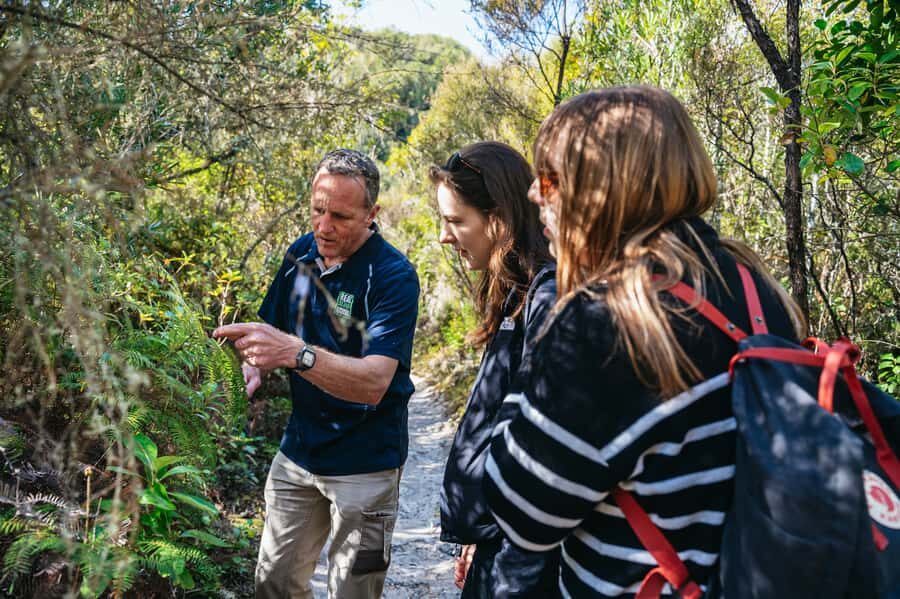
The guide matters here. In Rotorua, it’s easy to stand in front of a bubbling feature and miss the “why.” Guides on this tour (often called Stephen or Steve in guest feedback) are the reason the stops feel meaningful. They help you read the geothermal landscape—what’s hot, what’s active, what’s changing—and they also bring personal touches that make it feel tailored, even if it’s just a couple of people on board.
You can also read our reviews of more tours and experiences in Rotorua.

The ride starts with orientation: the biggest hot water lake
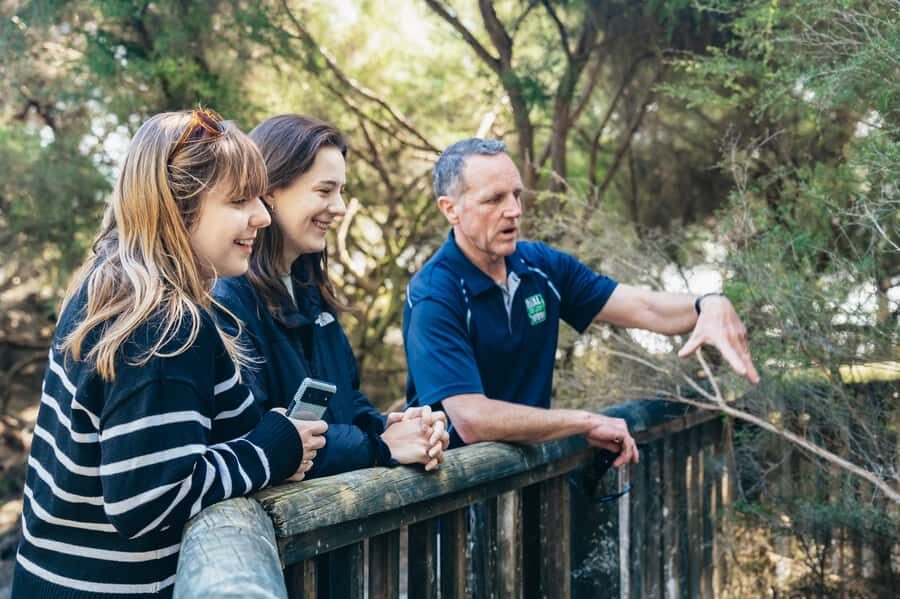
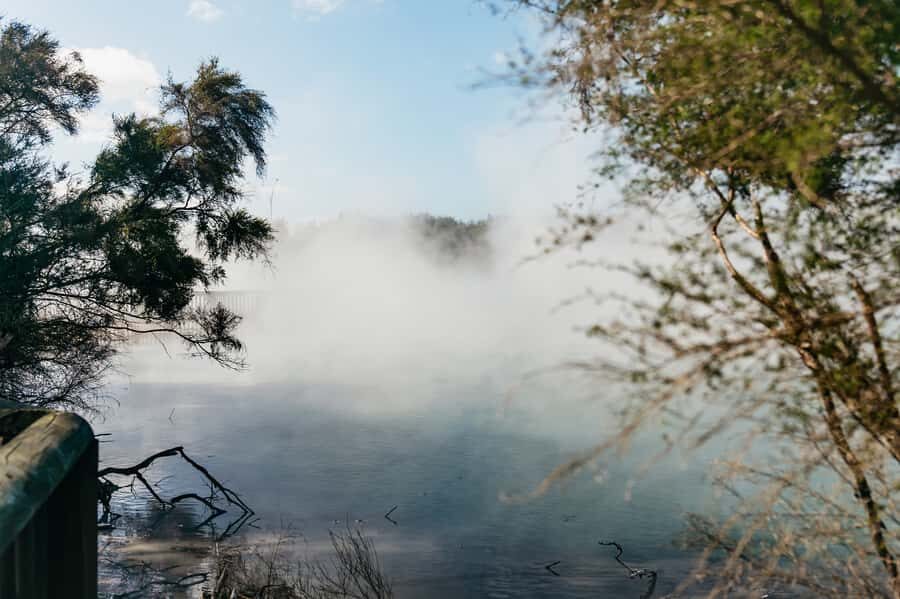
You begin by visiting the largest hot water lake in Rotorua. That first stop is smart because it sets your expectations for what the tour is really about: what’s happening underground and how it shows up at the surface.
Why that matters for you: Rotorua’s geothermal area can look chaotic at first—steam, colors, odors, weird ground textures. Seeing a large hot water lake early helps you understand the bigger system before you get into mud pools and springs. Think of it as getting your bearings fast.
Rainbow Mountain walk: geothermal plants and a forest that tells a story
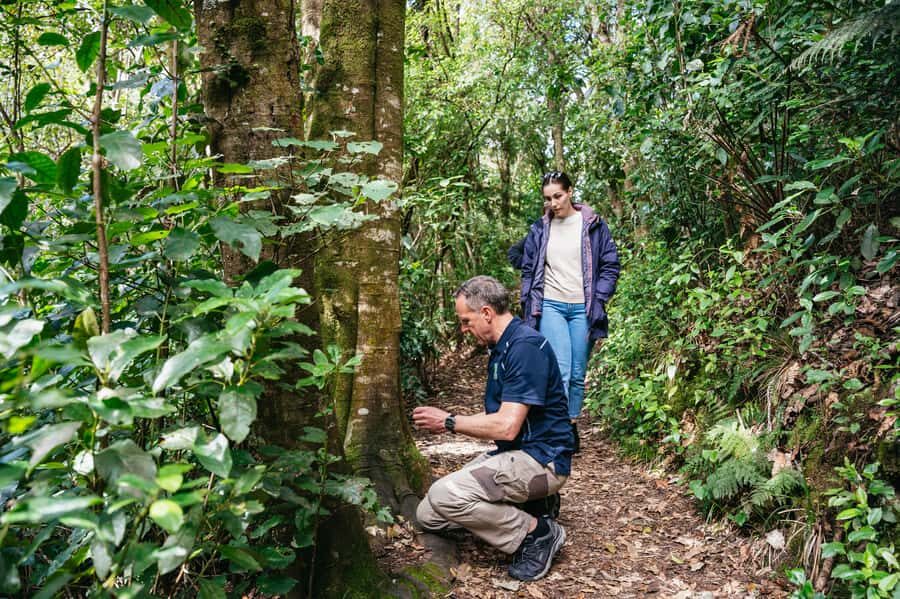
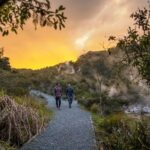
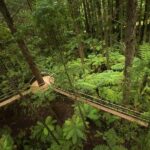
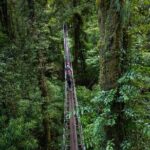
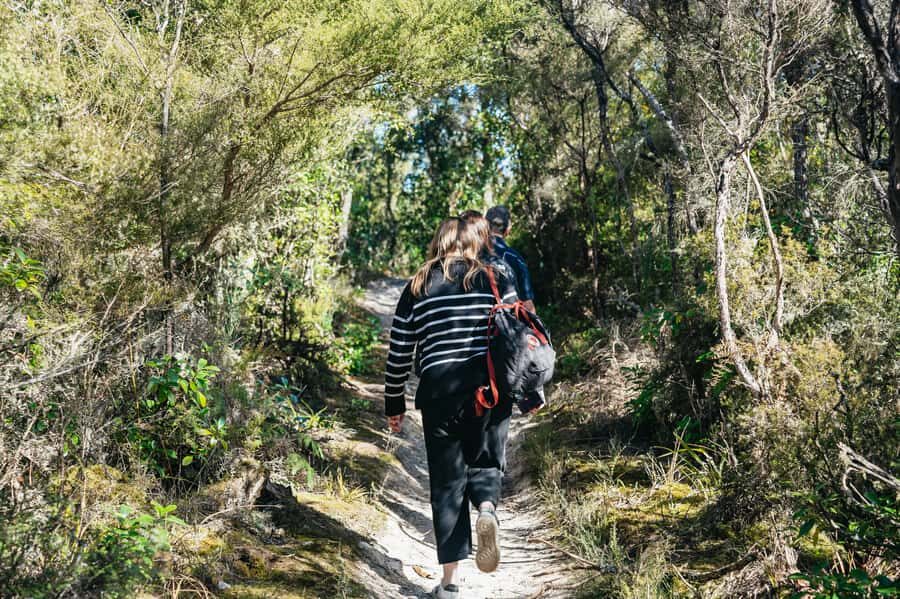
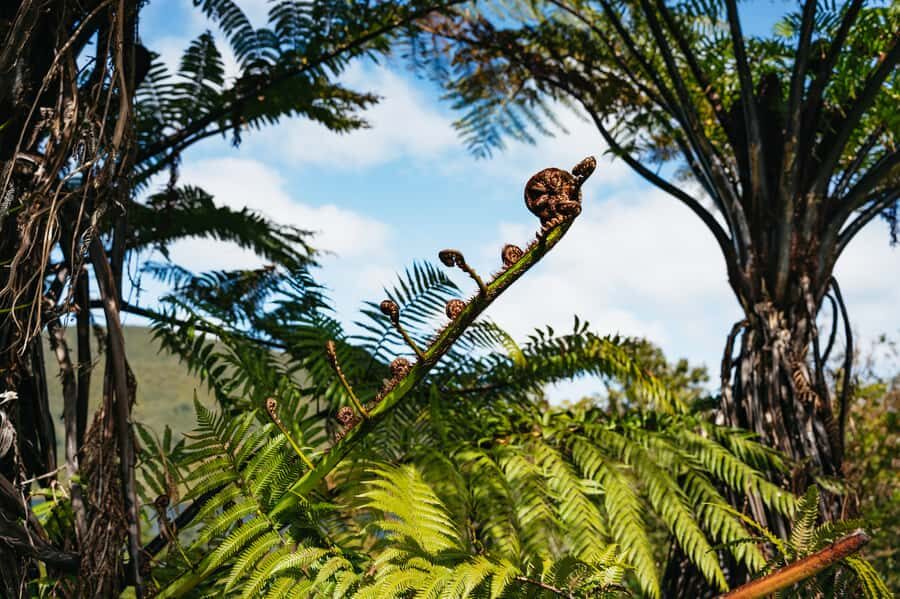
Next comes Rainbow Mountain. You’ll walk through native forest where you can spot geothermal-affected vegetation. Even if you’re not a plant nerd, it’s a neat reminder that geothermal heat and chemistry don’t just create holes in the ground—they reshape living things.
This part works well because it slows you down just enough to actually look. The native forest setting also gives you a break from constant steam-bathing and makes the colorful later stops feel even more striking when you return to the “hot stuff.”
Practical note: this is still walking terrain. You’ll want comfortable shoes and you should watch your footing, especially where roots, rocks, and damp patches show up.
The colored crater lake: where color has a job to do
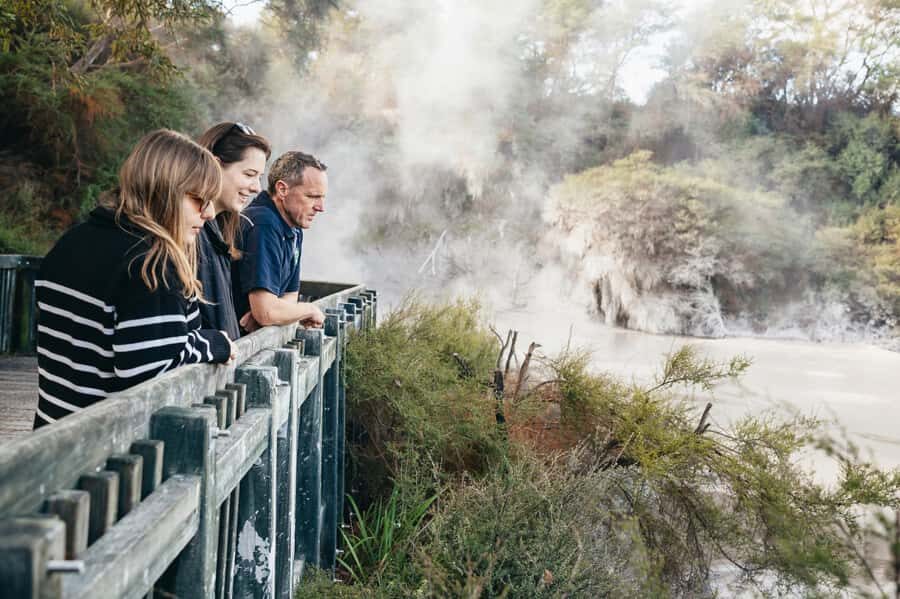
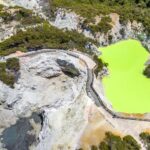
After Rainbow Mountain, you reach a beautifully colored crater lake. Crater lakes in geothermal areas aren’t just pretty; their colors often reflect mineral content and the interaction between water temperature, gases, and surrounding rock.
For you, this stop is the payoff moment: you’ve learned what geothermal activity can do in forest vegetation, and now you get a visual “result” that’s easier to photograph and remember. If you’re the type who likes variety—steam, mud, water, then a view—this is one of the best switches in the route.
The mud pool stop: steam, bubbles, and loud geothermal energy
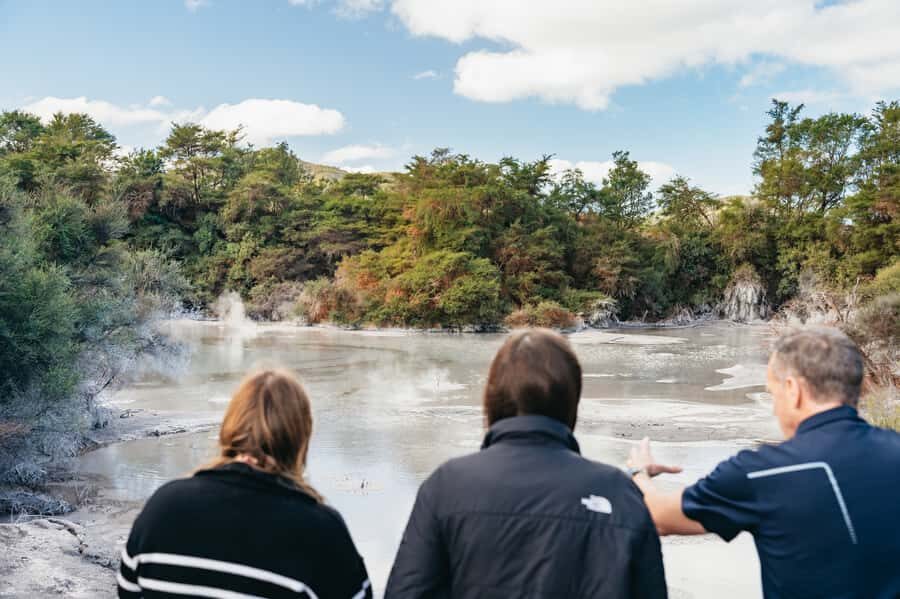
Then the tour heads to a huge mud pool—described as the largest and most active in the region. This is the kind of place where you don’t need to be told it’s alive. Steam and gases rise, and you can see the surface behavior as bubbles form and burst.
Here’s what I like about this stop as a visitor: mud pools are harder to experience from a distance. Up close, they change your sense of scale. It’s not just a hot spot; it’s active geothermal pressure doing work in real time.
Important: geothermal ground can be deceiving. Even when it looks solid, there can be thin crust over hot fluids. The safety rules matter a lot more at mud pools than at a normal lookout.




Te Manaroa Spring: Rotorua’s largest hot water spring, boiling from below
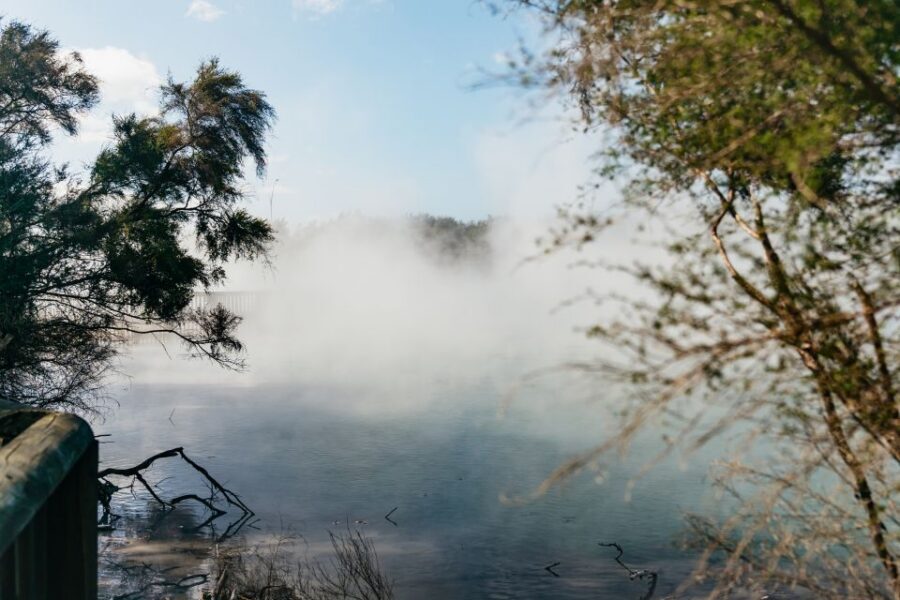
A short drive brings you to Te Manaroa Spring, where Rotorua’s largest hot water spring surges upward with boiling water. You take a short walk to reach it, and the surrounding vegetation helps frame the scene so it doesn’t feel like you’re just staring at a pipe in the earth.
Why this stop lands: springs are a more direct “delivery system” than mud. You see movement you can’t miss, and it’s easier to understand the force behind the geothermal activity. If you like dramatic steam and want one more “active” water feature before the final soak, this is it.
Waikite Thermal Valley Pools: your silica-water payoff
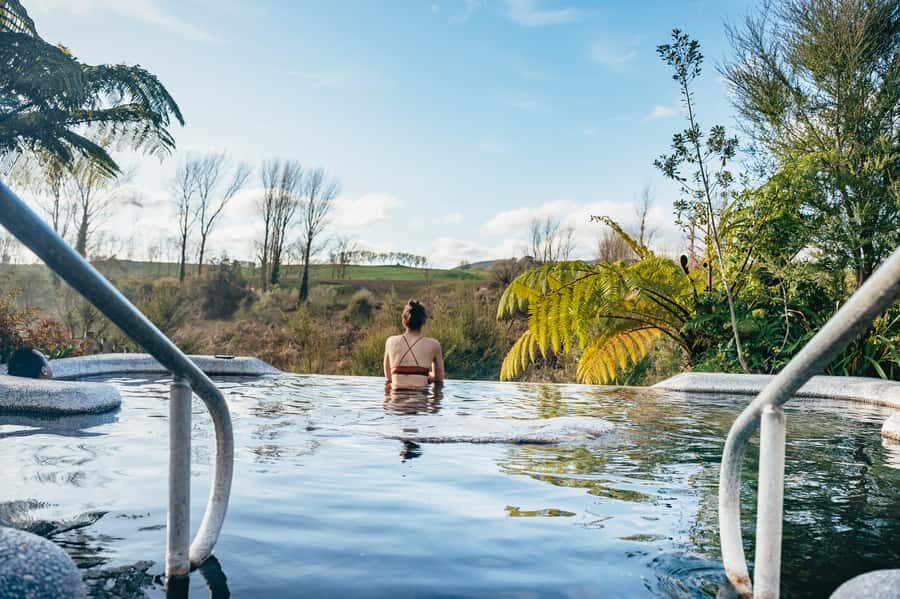
The tour ends at Waikite Thermal Valley Pools, where you can soak in silica-rich geothermal waters. This is the perfect emotional bookend. You’ve been walking on uneven ground, keeping your distance from active features, and following safety rules around gases. Now you get the release: sit back, warm up, and let your body recover.
Two practical tips so you enjoy this part:
- Bring swimwear and plan for closed-toe footwear around the pools area (the tour explicitly calls for closed-toe shoes).
- You need to follow the bathing safety rules carefully. Geothermal water bathing has a serious risk disclosure here: keep your head above the water at all times because of the risk of amoebic meningitis.
This stop is included, which is a big value lever. Hot pools in Rotorua can add up quickly if you try to do them on your own after a tour day. Here, it’s built into the price.
Price and value: what $89 gets you (and what it doesn’t)
At $89 per person for about 4 hours, this is priced like a half-day experience with real logistics included. You get:
- A guide
- Comfortable air-conditioned transportation
- Entry to Waikite Thermal Valley Pools
Food and beverages are not included, so you should plan ahead. Since you’re on a half-day schedule, I’d budget either a snack before you go or a meal after you return—especially if you’re traveling with a timing-sensitive itinerary.
Value-wise, the sweet spot is that you’re paying for both interpretation and access. Geothermal sites are spread out, and it’s not always obvious where to walk or what areas are safe. This tour is built to guide you through those “how do I do this right?” moments.
Comfort and safety rules that actually change the experience
This tour includes walks of up to 2 kilometers, and it asks for a good level of fitness and balance. The risk disclosure is not meant to scare you. It’s meant to keep you out of trouble:
- Uneven ground, tree roots, rocks, and slippery surfaces can cause slips, trips, and falls
- In geothermal areas, you must stay on formed trails/paths because thin crust can hide hot fluid underneath
- Gases like carbon dioxide and sulphide can be dangerous, including serious injury or asphyxiation
- When bathing in geothermal waters, keep your head above the water at all times due to the amoebic meningitis risk
So what should you do in real terms? Slow down. Use your eyes on your feet. Don’t treat geothermal areas like a hiking trail where you can step off to get a better photo. A great shot isn’t worth a twisted ankle—or worse.
Also, if you’re sensitive to strong smells, go in prepared. Rotorua geothermal areas can have distinct odors. You’re going to notice them, and that’s normal for this kind of terrain.
Who this fits best (and who should skip it)
This tour is a good match if you want a relaxed geothermal highlight route and you’re comfortable with short walks and uneven ground. It’s also a solid choice if you’d rather understand what you’re seeing than just collect pictures.
It’s not suitable for:
- Children under 6 years
- People with mobility impairments
- Wheelchair users
- People with low level of fitness
If you fall into one of those categories, I’d save your energy for a different kind of Rotorua outing with fewer walking challenges and more accessible viewpoints.
A small-group day that can still surprise you
Most half-day tours run like clockwork, but geothermal areas are weather- and safety-sensitive. One guest experience noted that the program timing can sometimes shift late enough to affect pool time. That doesn’t mean it happens all the time, but it’s a useful reminder: if Waikite soaking is your number one priority, check in clearly with your guide when you start and ask how the timing looks for your day.
Should you book the Rotorua Thermal Path Tour?
Yes, if you want:
- A 4-hour geothermal sampler that includes mud, springs, and a crater lake
- A small group setup that keeps the day manageable
- A guide who helps you understand what you’re seeing (and not just where to stand)
- A built-in end stop at Waikite Thermal Valley Pools so you don’t have to plan that separately
Skip it (or at least think hard) if:
- You can’t handle uneven, slippery ground or need wheelchair-friendly routes
- You’re not comfortable following strict geothermal safety rules
- You’re traveling with kids under 6
If your day in Rotorua is limited and you want to see the real “why this place is famous” geothermal variety, this is one of the most practical ways to do it—especially because the tour combines walking spots with the simple, included comfort of a thermal soak at the end.
FAQ
How long is the Rotorua Thermal Path Tour?
The tour lasts 4 hours.
How much does the tour cost?
It costs $89 per person.
What’s included in the price?
The price includes a knowledgeable guide, air-conditioned transportation, and entry to Waikite Thermal Valley Pools.
Is food included?
No. Food and beverages are not included.
How big is the group?
This is a small group limited to 8 participants.
What kind of walking is involved and what fitness level is needed?
The tour includes walks of up to 2 kilometers, and you need a good level of fitness and balance.
What should I bring for the tour?
Bring comfortable shoes, swimwear, comfortable clothes, and closed-toe shoes.
Is the tour refundable if I change my plans?
Yes. You can cancel up to 24 hours in advance for a full refund.