REVIEW · ROTORUA
Mt. Tarawera Volcano Scenic Floatplane Tour from Rotorua
Book on Viator →Operated by Volcanic Air · Bookable on Viator
This seaplane tour hits the sky fast. In about 30 minutes you’re above Mt Tarawera’s volcanic rift with pilot narration doing the heavy lifting, plus you get that unforgettable water takeoff and landing on Lake Rotorua. The one thing to plan around: the flight depends on decent weather, so rain can mean delays.
I like that this is short enough to fit almost any Rotorua day, but it still packs in big-ticket sights that you can’t really match from the ground. I also like the small group feel (max 10 people), which helps the pilot keep the ride personal rather than rushed.
One possible drawback: you’re paying for the air time, not a long, on-foot experience. If your priority is hiking or soaking up thermal smells up close, you may still want a land-based tour too.
In This Review
- Key things to know before you go
- Rotorua’s best use of time: 30 minutes in the air
- From the lakefront to Mt Tarawera: what the route really shows
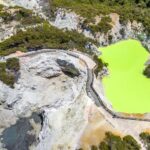
- Steaming Cliffs and Waimangu: the geothermal zones you can’t fully reach
- Blue and Green Lakes plus Whakarewarewa geysers: the ride back
- The best part: splashing down on Lake Rotorua
- Price and value: paying for air time, not just a ticket
- Comfort, group size, and who should sit where
- Weather reality check: why your plan needs a backup
- Who this tour is perfect for
- Should you book the Mt Tarawera scenic floatplane?
Key things to know before you go
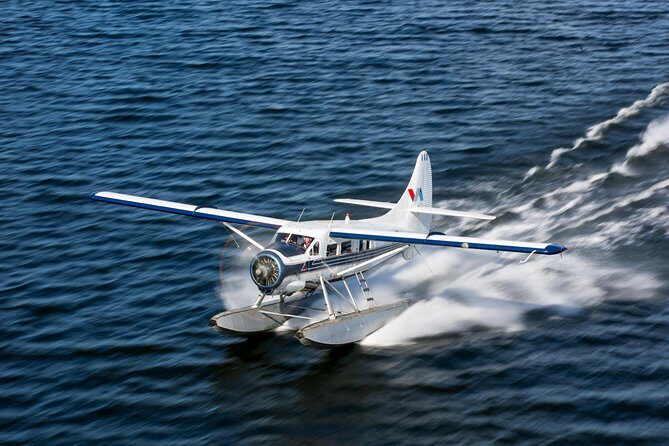
- Lake Rotorua water takeoff and landing: you’ll splash off and back on the lake, not just hop in the air.
- Mt Tarawera volcanic rift views in just 30 minutes: you follow an 8-kilometer stretch along the summit before heading for the thermal areas.
- Your pilot is your guide: expect commentary focused on what you’re seeing overhead, not just a generic safety talk.
- Waimangu and Whakarewarewa from the sky: the route links major geothermal zones into one compact aerial loop.
- Small group flight (up to 10 people): easier movement inside the aircraft and a calmer vibe at the dock.
- Weather can change everything: plan a backup slot for the day you book, if your schedule allows.
Rotorua’s best use of time: 30 minutes in the air
Rotorua is great, but it can also eat your schedule. This tour solves that problem by turning a short window into a fast hit of geology. You don’t need a full day, and you don’t need to coordinate multiple stops.
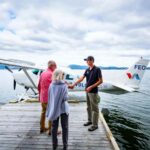
You meet at the Lakefront Drive area in Ohinemutu, and then the seaplane takes you out for a classic Rotorua aerial circuit. Morning or afternoon departures help you slot it around other activities, whether that’s a thermal reserve visit or just time to wander the town.
The flight is listed as about 30 minutes, which sounds quick until you realize what’s packed in. You’re seeing Mt Tarawera, then thermal zones like Waimangu and Whakarewarewa, and finally dropping back onto Lake Rotorua. For many people, it’s the most efficient way to grasp the region’s volcanic shape.
You can also read our reviews of more tours and experiences in Rotorua.

From the lakefront to Mt Tarawera: what the route really shows
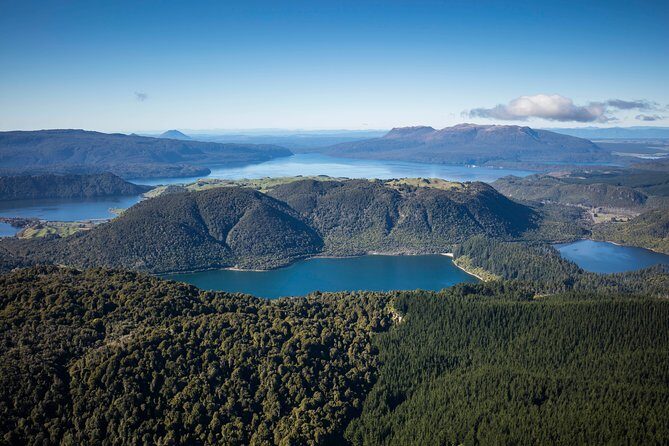
Right from the start, the experience has a “sense of place” factor. The plane departs from Lake Rotorua, and that water takeoff is part thrill, part perspective shift. Once you’re airborne, you immediately get a map-like view of where the landscape is broken, layered, and faulted—hard to absorb from street level.
The scenic routing starts heading out past Mokoia Island, then toward Our Crater lakes, and on to Mt Tarawera. From the air, Our Crater lakes look like a chain of volcanic scars rather than something you’d ever notice at a walking pace.
Then the big moment: you fly over Mt Tarawera along a volcanic rift. You’ll follow an about 8-kilometer (5-mile) section along the summit area, which is basically the headline view of this tour. From above, the jagged rock edges and crater lake patterns make the 1886 eruption feel real, not just like a date in a guidebook.
A nice detail here is the emotional context the pilot provides. Mt Tarawera is connected to Māori legend, and the narration helps you connect the scenery to meaning. Even if you don’t catch every cultural reference, the story framing gives the geology more weight.
Steaming Cliffs and Waimangu: the geothermal zones you can’t fully reach
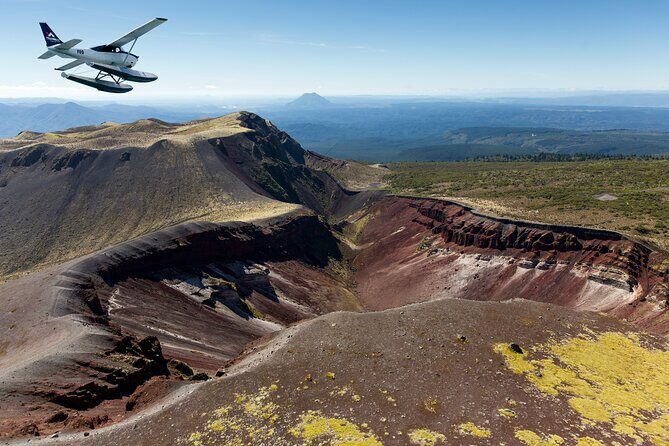
After Mt Tarawera, the route shifts toward the geothermal heart of the region. In many Rotorua tours, you drive from one thermal area to the next. Here, you get a bird’s-eye link between them.
You’ll pass over the Steaming Cliffs area and head toward the Waimangu Volcanic Valley. Aerial views are useful because they show how heat affects structure—steam doesn’t just rise randomly; it traces the terrain’s fractures and runoff paths.
Waimangu is also one of those places where the details are hard to see on foot if you’re trying to cover a lot of ground in one day. From the air, you get the layout: where the valley opens, where the ground looks disturbed, and how the geothermal features sit in relation to the wider area.
One practical tip: if you care about photos, sit so you can catch the light angle. The flight is short, so you won’t get endless time to reposition. Your best move is to choose your seat based on which side you’ll be looking out on during the Mt Tarawera segment and keep your camera ready as soon as you level off.
Blue and Green Lakes plus Whakarewarewa geysers: the ride back

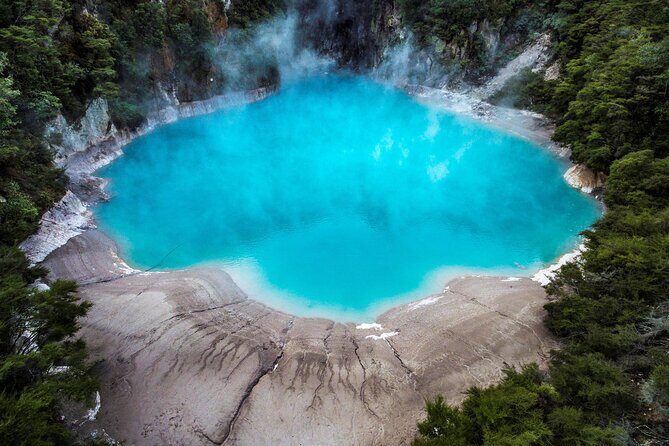
The return leg is where the tour feels like a complete Rotorua sampler. You’ll fly over Blue and Green Lakes and then toward the Whakarewarewa Thermal Reserve, including bubbling geothermal activity.
From above, these lakes and thermal areas read almost like color-coded evidence. Even when you know what geothermal zones are, it’s different to see them as a connected system—heat sources, water basins, steam plumes, and steam vents all in one view.
The pilot’s narration matters more here than people expect. Aerial geology can look like abstract textures unless someone points out what you’re looking at. The commentary helps you translate what the eye sees into a mental picture you can hold onto.
One review example that stuck with me: a passenger’s pilot gave clear commentary and looked after someone with a back injury, which suggests the crew pays attention to comfort and not just the flight. If you’re traveling with anyone who needs a little extra care during seating and movement, it’s worth knowing the operation seems used to that.
The best part: splashing down on Lake Rotorua
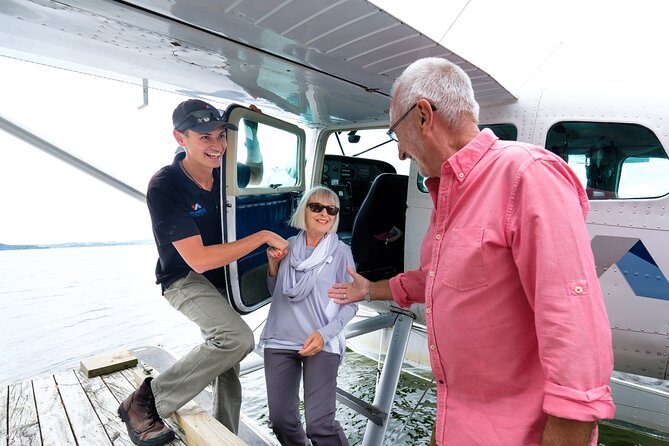
Most people remember this tour for the flight visuals, but the water landing is the signature moment. Taking off from water and returning to water adds a different rhythm than a standard runway departure.
You’ll splash down back near the lakefront at the end of the experience, and then you’re done quickly. That fast finish is a real value for time-starved schedules. It’s also handy when Rotorua weather is a factor, because at least you’re not committing to hours outside waiting for a walk-and-sit thermal route.
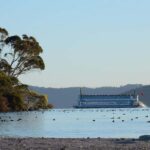
There’s also a fun “arrival vibe” element. One person mentioned seeing black swans around the lake area, and while that’s not guaranteed, it’s the sort of small local wildlife bonus that can make the dock time feel less like a checkpoint and more like part of the day.





Price and value: paying for air time, not just a ticket
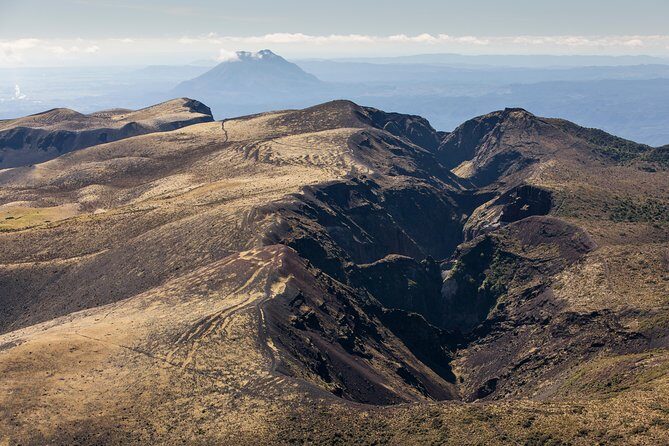
At $242.02 per person for about 30 minutes, this isn’t the cheapest way to experience Rotorua. You’re paying for three things you can’t copy with driving alone:
- Direct overhead access to Mt Tarawera’s rift and crater-lake patterns
- Aerial access to multiple geothermal areas in one loop
- The seaplane experience, including water takeoff and landing
In value terms, it makes the most sense if you already plan to see Rotorua’s thermal zones but want a “big picture” layer you can’t get from paths and viewing decks. If you’re only going to do one or two activities and you want a strong highlight, this works.
Also, you can sometimes get extra surprises. One featured account described being upgraded to a helicopter at late notice. That’s not something you should count on, but it does point to the operator’s flexibility when plans shift.
Comfort, group size, and who should sit where
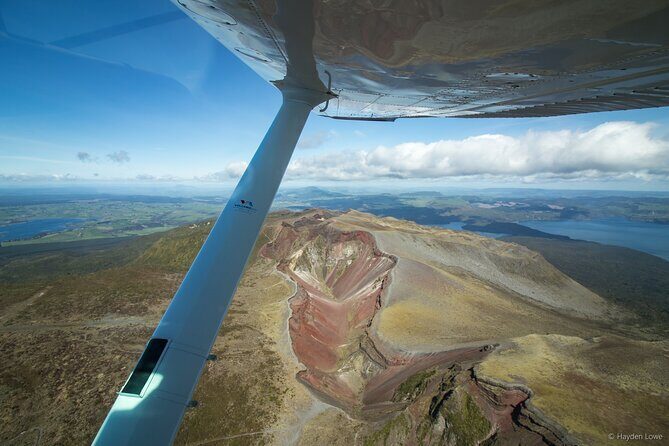
This is a small-group flight with a maximum of 10 people. That matters because smaller groups usually mean more patience at check-in, less jostling during boarding, and more room to actually look out at the right time.
There’s also a weight comfort rule: the maximum per-seat limit is 297 lbs (135 kg) due to balance and aircraft comfort. If you’re close to that limit, it’s smart to clarify fit early so nobody is stuck dealing with it on the day.
As for seating, you don’t get a long explanation of where the best view is during every minute, but you can still make a smart move. When you’re offered boarding options, ask which side will be best for the Mt Tarawera portion. The flight is short enough that one good viewpoint can make a photo set feel complete instead of random.
Weather reality check: why your plan needs a backup
This tour requires good weather. If conditions are poor, the flight may be canceled and you’ll typically be offered a different date or a full refund. Because of that, try not to stack the whole day with activities that can’t flex.
Also note that there’s a possibility of cancellation even after confirmation if minimum passenger numbers aren’t met. That’s rare, but it’s another reason to build your Rotorua day so you can pivot if plans change.
If you want the best odds, aim for a day where you expect clearer skies and less stormy timing. And if you’re coordinating with other tours on the same day, keep some breathing room so you’re not forced to lose a full itinerary segment.
Who this tour is perfect for
This works best if you want a memorable Rotorua highlight without losing half a day to travel time.
It’s especially good for:
- People who like photos and want a strong aerial set from multiple sites in one shot
- Travelers who feel heat and steam on foot is too much for a single day, but still want the full story
- Anyone short on time but willing to spend money for a fast, high-impact experience
- First-time Rotorua visitors who want context for what they’ll see later on land
It may be less ideal if you’re hoping for a longer, hands-on geothermal outing or a hiking-focused day. This is a flight first, and even though the narration helps, it’s still about seeing, not walking.
Should you book the Mt Tarawera scenic floatplane?
Book it if you want the fastest, most complete aerial overview of Mt Tarawera plus key geothermal areas around Rotorua—without committing to a full-day schedule. The water takeoff and landing alone are worth serious consideration, and the pilot narration is a big part of why this flight feels more than just a scenic ride.
Hold off or plan carefully if your itinerary can’t flex for weather. Because the flight is weather-dependent and time-sensitive, build in a backup slot.
If you’re ready for a short, high-visual-impact experience and you want Mt Tarawera’s volcanic rift and Rotorua thermal zones linked together in one smooth loop, this is a strong choice.