REVIEW · ROTORUA
Te Puia: Te Rā Guided Experience
Book on Viator →Operated by Te Puia · Bookable on Viator
Te Puia hits two big Rotorua buttons fast: Māori culture and the Pōhutu Geyser. In about 90 minutes, you get a guided walk through the geothermal valley and a human, story-led look at life and art here. It is one of the more focused ways to see the must-sees without turning your day into chaos.
I especially like how the visit gives you a guided framework for what you are seeing, from legends tied to the land to what happens in the Māori Arts and Crafts setting. You also get to watch the geothermal drama in person, including the huge scale of the Pōhutu eruption area and the bubbling mud pools up close.
One thing to keep in mind: this is a short, group-paced format, so it can feel a bit rushed depending on the guide and your group size (up to 36). The geyser timing is frequent, but nature still controls when it erupts, and that can affect how satisfying the biggest moment feels.
In This Review
- Te Puia: quick highlights you should care about
- Rotorua’s Te Puia: geothermal valley meets Māori arts and tradition
- The 90-minute structure: what the timing really means
- Te Puia Arts and Crafts Institute: more than watching carving
- A small reality check on the guide
- Kiwi Conservation Centre and the nocturnal kiwi house
- Te Whakarewarewa Thermal Valley: mud pools, vents, and steam
- The Pōhutu Geyser: the 30-meter star
- Optional upgrade: Māori cultural performance, hongi, weapons, poi, stick games, haka
- Who should add the performance?
- Price and value: is $62.06 worth it?
- Where the value is strongest
- Where it might feel thin
- Practical tips so the day feels smoother (not rushed)
- Who should book this Te Puia Te Rā guided experience?
- Should you book Te Puia Te Rā?
- FAQ
- How long is the Te Puia daytime guided experience?
- Where does the tour start and end?
- What is included with the daytime guided experience?
- Is food or hotel pickup included?
- Is the Māori cultural performance included, or is it optional?
- How big are the groups?
- What is the cancellation policy?
Te Puia: quick highlights you should care about
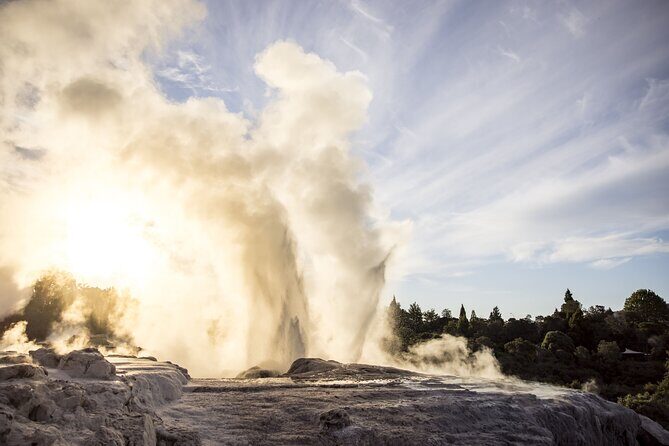
- Up to 20 eruptions a day at Pōhutu Geyser (timing is still the wild card)
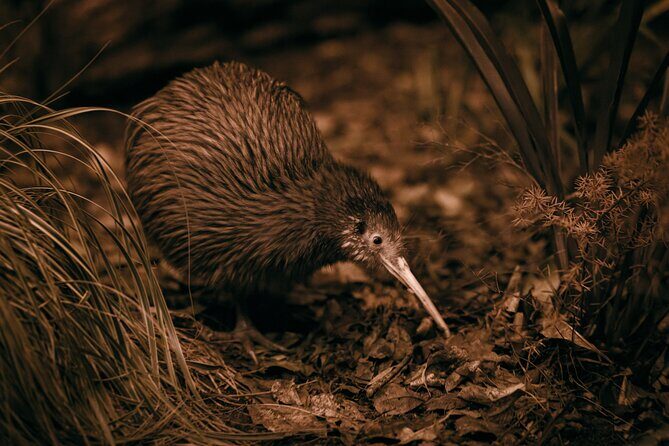
- Kiwi Conservation Centre and the nocturnal kiwi house for a rare look at New Zealand’s national emblem
- Māori Arts and Crafts Institute access with carving and weaving schools
- Te Whakarewarewa Thermal Valley walking paths past steaming vents and boiling mud pools
- Marae and Māori village visit as part of the daytime guided experience
- Optional cultural performance upgrade with a ceremonial welcome and the haka
Rotorua’s Te Puia: geothermal valley meets Māori arts and tradition
Rotorua is famous for a reason: the earth here literally talks back. At Te Puia, that natural force is paired with living culture, not a museum-style side show. You are in Te Whakarewarewa Thermal Valley, then you move into the Māori Arts and Crafts Institute area where artisans work and teach skills tied to the land.
The smart part of the Te Rā guided experience is that it does not treat culture as a separate stop. It is woven into the tour pacing: you learn why these places matter, then you walk through the steam and mud with a clearer sense of what you are looking at.
And yes, you will see the wow factors most people come for: boiling mud pools, steaming springs, and the Pōhutu Geyser area. If you want Rotorua in a single ticketed block that still feels meaningful, this is a good fit.
You can also read our reviews of more guided tours in Rotorua
The 90-minute structure: what the timing really means
The tour runs about 1 hour 30 minutes, and the group can be as large as 36 people. That matters because your time at each zone is built for flow, not lingering.
A typical day looks like this:
- You meet at Te Puia, where your guide takes you into the Māori Arts and Crafts area.
- You then move toward the kiwi viewing component and finish with the geothermal valley walk.
- You can also add the optional cultural performance if you are trying to stack more Māori performance into your day.
Because the schedule is tight, I treat Te Puia like this: do the guided portion, then plan a bit of extra time after if you want to slow down and re-see anything that caught your eye.
Also note what you are not getting with this particular option: no hotel pickup or drop-off is included. You are making your own way to the site and meeting at Te Puia (Hemo Road, Whakarewarewa).
Te Puia Arts and Crafts Institute: more than watching carving
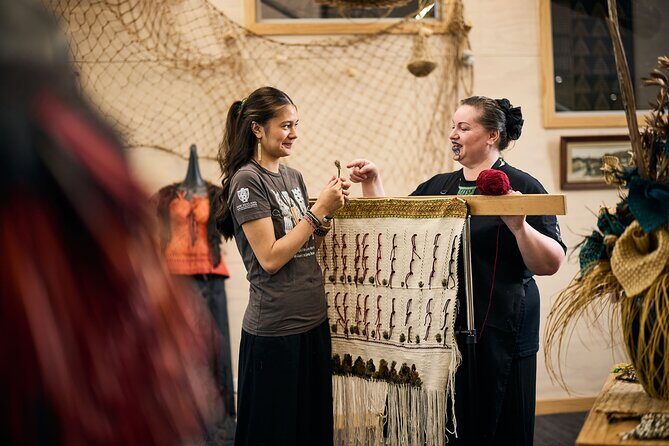
Te Puia is not just a scenic stop. It is an active arts and culture center, and that shows in how the guide frames what you see.
In the Arts and Crafts Institute area, you will learn about:
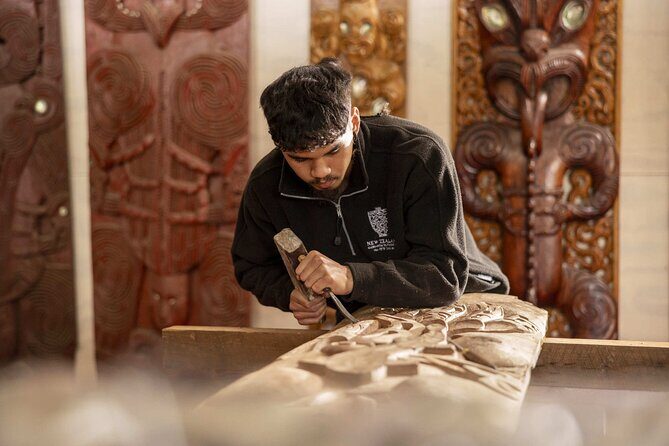
- Wood carving
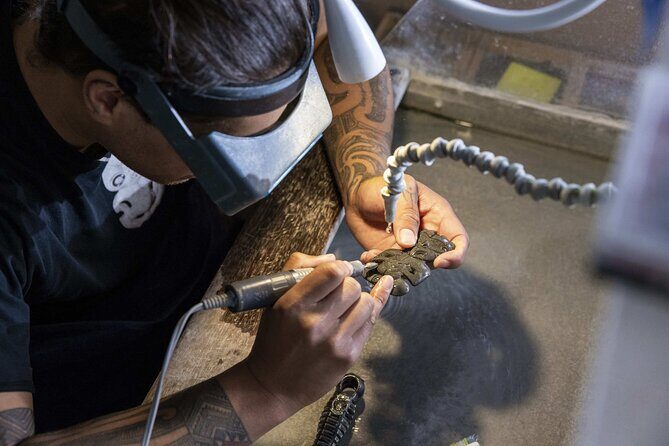
- Bone carving
- Greenstone carving
- Flax weaving taught through schools tied to Māori knowledge and practice
What I like about this part is the way it turns the craft into context. You are not only looking at finished work. You are being pointed toward why materials, techniques, and training matter here, and how this culture connects back to the geothermal world outside.
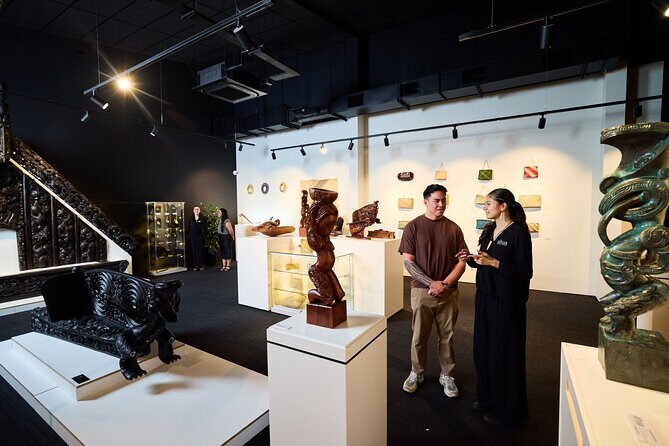
You also explore the marae and Māori village. Even if you are not a culture scholar, you will get the idea fast: this is a community space with tradition, not just a photo spot. The guide’s stories and explanations are the difference between seeing buildings and actually understanding what they represent.
A small reality check on the guide
A lot of the tour quality comes down to the guide on the day. Some guides are excellent at pacing and explanation; others may feel less polished, especially with communication in a moving group. If you are the type who needs crisp narration to enjoy a tour, keep an eye on your guide’s clarity and volume when you first meet.
I have heard specific names like Rebecca and Ivy tied to strong explanations and a smooth feel to the visit, and there can be supportive staff on hand too (one example given is Buster). Still, the core lesson is simple: the tour is best when the guide is strong and the group stays together.
Kiwi Conservation Centre and the nocturnal kiwi house
One of Te Puia’s biggest draws is the kiwi viewing. This tour includes access to the Kiwi Conservation Centre, including the nocturnal kiwi house.
A kiwi is New Zealand’s national emblem, and seeing one outside a distant brochure is a different experience. The kiwi house is the rare chance to view this flightless bird in a setting designed for observation.
Two practical notes:
- The kiwi viewing component can be quick in a group. If you are hoping for long, calm watching, plan to arrive with patience and do not count on extra time inside.
- Be ready for the atmosphere. Kiwi enclosures are not about comfort like a café; they are about the biology. Keep your movement gentle and your expectations realistic.
If seeing kiwi is high on your Rotorua list, this is one of those ticketed experiences that makes sense to do as part of a guided package.





Te Whakarewarewa Thermal Valley: mud pools, vents, and steam
Then you get to the reason Rotorua is Rotorua.
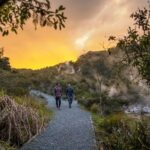
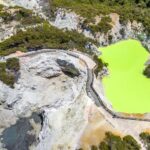
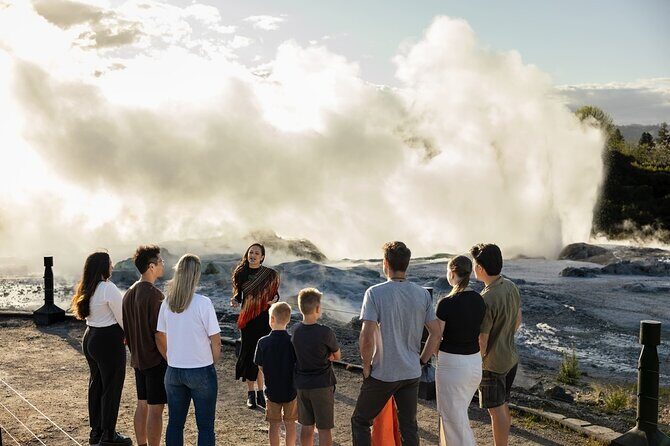
You walk along paths through steaming vents and boiling mud pools in Te Whakarewarewa Thermal Valley. This is geothermal power you can feel in the air, not just see in photos. The smell can be strong on certain days, and it is one of those “worth it, but expect it” details. Wear shoes you feel good walking in and be ready for some heat and sulfur scent.
This is also where the guided part earns its keep. If you just wandered in on your own, you would still get the visuals. With a guide, you get the land-linked stories and explanations that help you read what is happening in front of you.
The Pōhutu Geyser: the 30-meter star
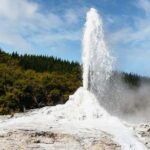
The headline is the Pōhutu Geyser. It sits at about 30 meters (100 feet) and erupts up to 20 times a day.
That “up to” is the key phrase. It is frequent enough that many visitors catch it, but you are not guaranteed a specific eruption at a specific minute. The advantage of having a guide is that they time the walk through the best viewing spots when the eruptions are most likely.
If the geyser is your one must-see, I recommend you treat this tour as a high-probability plan, not a guaranteed appointment with fireworks.
Optional upgrade: Māori cultural performance, hongi, weapons, poi, stick games, haka
If you want more performance than the daytime tour offers, you can upgrade to a Māori cultural performance. These shows run several times throughout the day when sessions are available.
This part usually starts with a ceremonial welcome at the marae, including the hongi greeting. You may see:
- weaponry displays
- poi dances
- stick games
- and the haka war dance
I like this upgrade because it adds a layer that a craft-focused visit alone cannot. You see performance language—movement, rhythm, and group energy—connected to the stories you heard earlier.
Who should add the performance?
If you are visiting with kids, this is often a better bet because it gives them a clear “show” moment rather than only a walk-through. If you are trying to understand Māori culture through multiple angles—crafts, tradition, and performance—this upgrade completes the picture.
Just plan your timing. Showtimes happen multiple times a day, but you still want to pick the one that fits your schedule calmly, not one you are rushing to catch.
Price and value: is $62.06 worth it?
At $62.06 per person, the real question is what you get for that money.
Here’s what is included in the daytime guided experience:
- a professional guide
- access to the highest and most active geothermal valley in the Southern Hemisphere
- entry to the Kiwi Conservation Centre
- guided exploration tied to carving and flax weaving schools
- time in the marae and Māori village
- geothermal highlights like the mud pools and the Pōhutu area
Food and drinks are not included, and there is no hotel pickup/drop-off. You are paying for a packaged, guided bundle: nature + culture + hands-on arts context, in one block.
Where the value is strongest
This is strong value if you:
- want a guided introduction rather than piecing together a self-guided day
- care about Māori culture as a living practice, not only a scenic stop
- want kiwi viewing and the geothermal valley without extra transport hassle
Where it might feel thin
It can feel pricey if:
- your guide is struggling with clarity or pacing
- your group feels too large
- the geyser timing does not line up with your viewing window
That is why I keep saying the same practical trick: do the guided portion, but keep a little extra time to wander afterward so you can make the day feel fuller even if the group pace annoys you.
Practical tips so the day feels smoother (not rushed)
A short group tour needs a little strategy. Here are the habits that make a difference at Te Puia:
- Bring closed-toe, grippy shoes. You are walking paths through geothermal areas with steam and uneven ground.
- Plan a buffer afterward. Several people like the fact that you can keep exploring after the guided part. If you fall behind or miss something during the rush, you can circle back.
- Expect sulfur smell. It is part of the geothermal reality. If you are sensitive, know that the air can feel strong near certain vents and pools.
- If you care most about the Pōhutu eruption, stay present. Do not treat the geyser area like a quick photo stop. It is the kind of moment you want to watch closely when you are in the right spot.
- For the haka performance, pick a showtime you can enjoy. Because it runs several times a day, you can choose a session that fits your energy level. No sense squeezing it into a stressful gap.
And if you can, learn your guide’s name if they share it at the start. Names like Rebecca and Ivy have been associated with particularly strong storytelling, and a good guide can make the entire visit click.
Who should book this Te Puia Te Rā guided experience?
This tour is a great match if you:
- are short on time in Rotorua and want a focused mix of geothermal sights and Māori culture
- want an organized way to see kiwi, crafts, and the thermal valley without figuring everything out
- like learning through guided stories and seeing how artisanship connects to the land
It may not be your best choice if you:
- want a very slow, self-paced experience
- need lots of spare time at each stop
- are extremely sensitive to tour-style narration and group pacing
If you fall into the second group, I’d still say Te Puia is worth visiting. Just consider how much guided time you want versus solo time once you are inside.
Should you book Te Puia Te Rā?
If you want a ticketed, guided Rotorua highlight that combines Pōhutu Geyser, Kiwi Conservation Centre, and Māori arts into one short day block, I’d book it. The value is in the mix: geothermal wonder plus cultural meaning, guided by a Māori story-focused approach.
Book with your eyes open about pacing. This is not a meandering half-day. It is about getting you to the big moments efficiently, and a bit depends on the guide that day and how the group moves.
If you are the type who needs maximum freedom to linger, add extra time for self-exploring after the guided component. That one move makes the whole day feel richer, even if the guided part feels quick.
FAQ
How long is the Te Puia daytime guided experience?
The tour lasts about 1 hour 30 minutes.
Where does the tour start and end?
It starts at Te Puia in Rotorua, at Hemo Road, Whakarewarewa, Rotorua 3010, New Zealand, and it ends back at the meeting point.
What is included with the daytime guided experience?
You get a professional guide, entry to Te Puia, exploration of the Māori Arts and Crafts areas including wood, bone, and greenstone carving plus flax weaving schools, access to the Kiwi Conservation Centre, and guided time around the marae and Māori village, plus the geothermal valley sights such as mud pools and the Pōhutu Geyser area.
Is food or hotel pickup included?
No. Food and drinks are not included, and hotel pickup and drop-off are not included.
Is the Māori cultural performance included, or is it optional?
It is optional. You can upgrade to include a Māori cultural performance with ceremonial welcome at the marae, the hongi greeting, and elements such as poi dances, stick games, and the haka. Showtimes are available several times a day.
How big are the groups?
The tour has a maximum of 36 travelers.
What is the cancellation policy?
Free cancellation is available up to 24 hours in advance for a full refund. Canceling less than 24 hours before the experience start time does not get refunded.