REVIEW · ROTORUA
Rotorua: Whakarewarewa Village Guided Tour
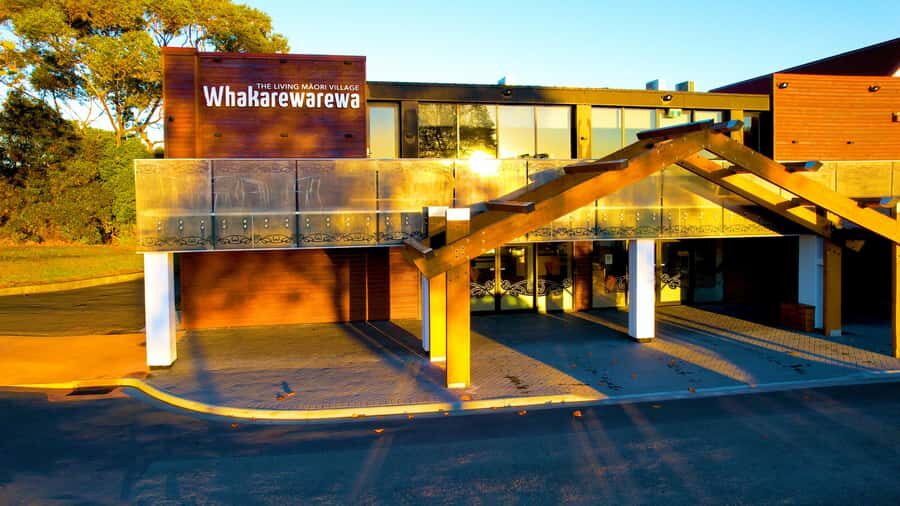
Book on GetYourGuide →Operated by Whakarewarewa - The Living Māori Village · Bookable on GetYourGuide
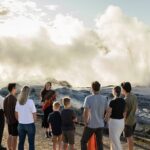
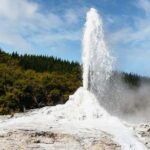
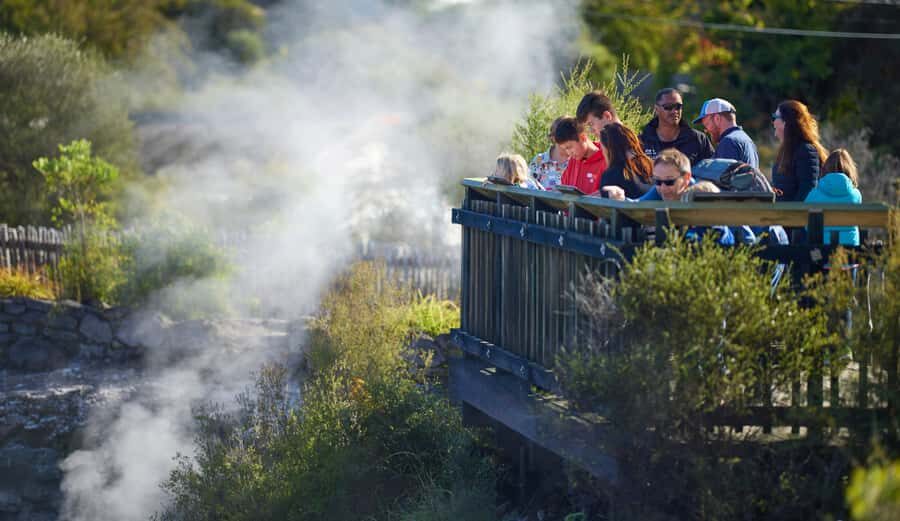
Rotorua’s geysers are loud, but this tour is personal. In just one hour at Whakarewarewa – The Living Māori Village, you get a real sense of how geothermal energy shapes daily life, guided by people who grew up here. I love the panoramic lookout views of the geysers, especially the world-famous Pōhutu erupting in the background.
My second big win is the way the tour shows you the village as a lived-in place, not a staged set. You’ll walk past an active marae, historic buildings, and sacred areas while your guide explains what geothermal cooking and bathing mean for community life.
One thing to plan for: this is outdoors in all weather, so bring comfy shoes and expect steam, mud, and wet ground. Also, geothermal activity can look different day to day, so don’t count on seeing every single pool at its most dramatic moment.
In This Review
- Key highlights you’ll actually notice
- Entering Whakarewarewa: why a one-hour guided tour works
- Geyser Café to the village: get oriented fast
- The geothermal valley views: Pōhutu and the big picture
- Boiling hot pools: the village geothermal kitchen you can walk past
- Historic landmarks inside an active community
- Guides make the difference: Faye, Daniel, Teeao, Keighly (and others)
- Sweetcorn cooked in geothermal heat: small taste, big lesson
- Planning your hour: weather, shoes, and what to bring
- Who should book this Whakarewarewa legacy tour
- Should you book this one-hour Whakarewarewa tour?
- FAQ
- How long is the Rotorua Whakarewarewa guided tour?
- Where do I meet for the tour?
- What’s included in the ticket price?
- Do I need to exchange a voucher before the tour starts?
- Is the tour outdoors?
- What should I bring?
- What language is the tour guide?
- Is the tour wheelchair accessible?
- Is there a free cancellation option?
- Can I reserve now and pay later?
Key highlights you’ll actually notice
- Direct-descendant guides who explain village life with lived-in context and manaakitanga
- Pōhutu geyser lookouts with wide views over the geothermal valley
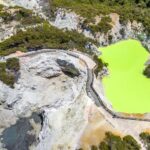
- Boiling mud-pools, steam vents, and bubbling hot pools you can see up close
- An active marae plus landmark buildings like churches and a WWII memorial archway
- Thermally cooked sweetcorn served as part of the experience
- A fast safety briefing and a tour rhythm designed for geothermal surfaces and steam
Entering Whakarewarewa: why a one-hour guided tour works
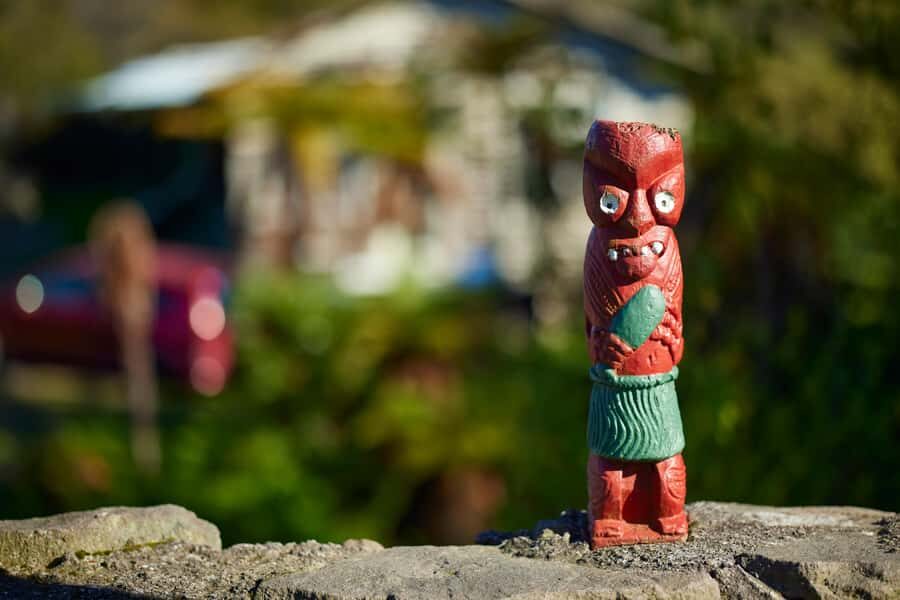
If you’re only in Rotorua for a short time, this is the kind of stop that keeps paying off after you leave. Whakarewarewa is a living Māori village where people have long used geothermal resources for cooking, bathing, and heating. A one-hour guided tour might sound brief, but it’s paced so you’re not just looking at fumes—you’re learning what you’re seeing and why it matters.
What makes it feel worth the time is the guide format. The guides are direct descendants of early Māori guides who shaped tourism here for generations. That’s more than marketing language. It changes the tone. Instead of a script you’ve heard before, you get answers that feel personal, like you’re being shown home customs by someone who grew up doing them.
And because it’s guided, you also get help “reading” the geothermal features: where steam is coming from, why certain areas are treated as special, and what parts of the village are for community life rather than visitor viewing.
You can also read our reviews of more guided tours in Rotorua
Geyser Café to the village: get oriented fast
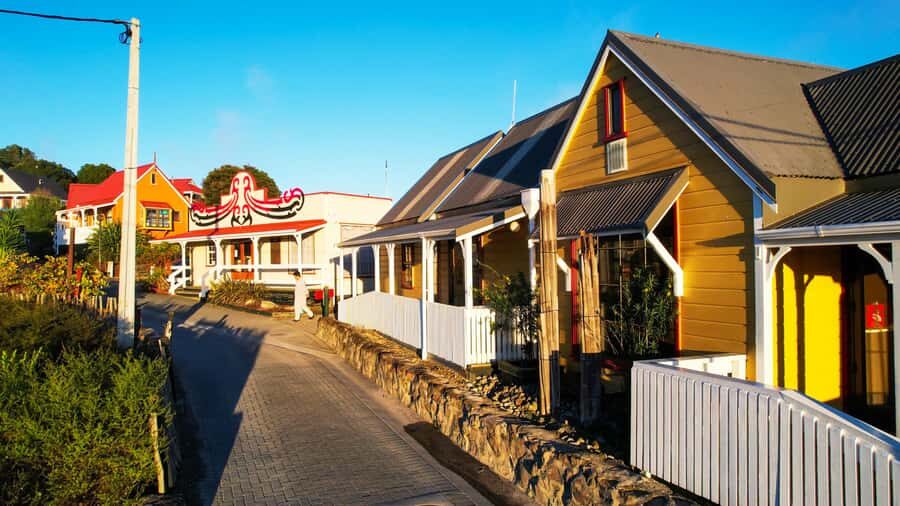
The tour starts at Geyser Café, and you’ll want to arrive 15 minutes early so you can swap your voucher at the admissions building before you begin. That early window matters. Geothermal areas move quickly—steam can thicken, paths can get slippery, and you don’t want to start the tour rushing.
Before you go into the village, there’s a short safety briefing (around five minutes). Don’t treat it as a formality. In a place like this, the rules are simple and practical: watch your footing, stay where you’re directed, and respect hot and steamy zones. You’ll notice the guide keeps things orderly during the walk, which helps you focus on the storytelling instead of constantly wondering where to stand.
I also like the “come prepared” vibe. You’re outdoors in real weather, so you’ll see people dressed for walking—comfortable shoes more than fashion shoes. Bring your camera. Steam sometimes makes photos a bit hazy, but the geyser moments are worth capturing.
The geothermal valley views: Pōhutu and the big picture
One of the best parts of this tour is that it doesn’t force you to choose between culture and geothermal spectacle. You get those lookout views of the geysers, and the star is Pōhutu.
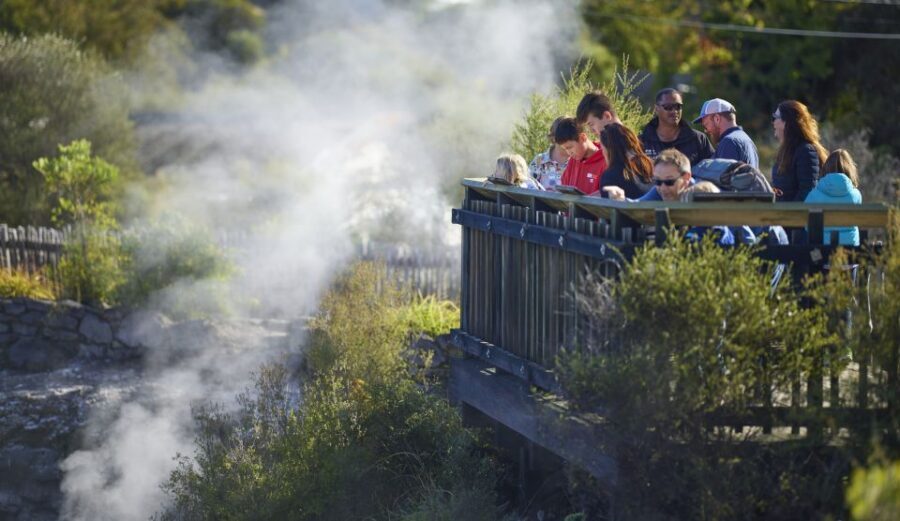
From the village area, you’ll get panoramic sightlines that help you understand the plateau as a system, not random hot spots. Pōhutu isn’t just a single burst—you’re seeing how the valley behaves, with steam drifting, venting, and bubbling in different ways. A lookout view is also useful because it gives you context: after you’ve seen the big picture, the smaller boiling pools inside the village make more sense.
In past visits, I’ve found that Rotorua’s geothermal features can be dazzling but confusing if you don’t know what you’re looking at. Here, the guide’s job is to make the geothermal valley legible. You’ll walk away thinking, Oh, that’s why the steam looks like that, and Yes, this explains the cooking and bathing setup.
Boiling hot pools: the village geothermal kitchen you can walk past
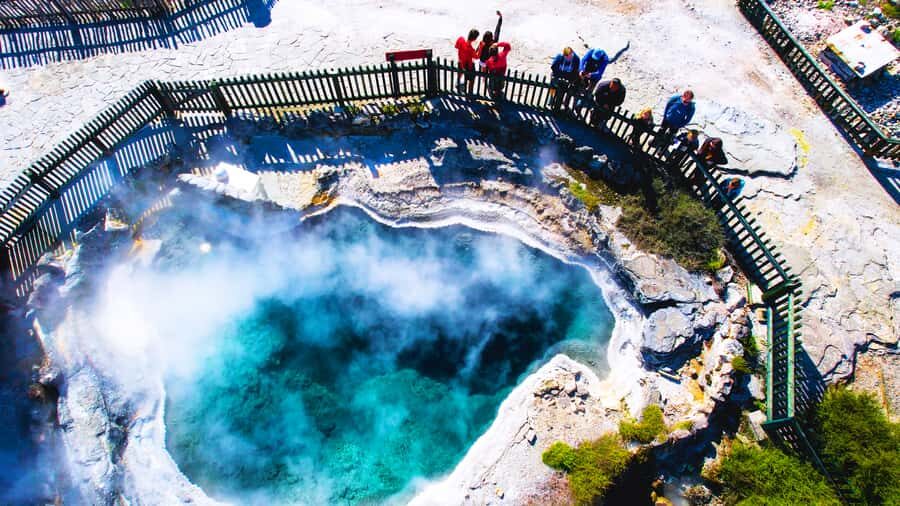
This is where Whakarewarewa gets real in a way that’s hard to fake. The tour focuses on the village’s geothermal resources—things like boiling mud-pools, steam vents, and bubbling pools. The key is that these aren’t just “attractions.” They’re part of the everyday toolkit.
As you move around, your guide explains how people use geothermal heat to cook and to keep water comfortable for bathing. You’ll be standing near active geothermal zones, so the atmosphere is often warm and steamy. That physical closeness is a big reason this tour works better than a viewing platform-only approach.
A practical note: geothermal surfaces can be uneven and slick. Even if you’re not planning to go anywhere dangerous, you’ll appreciate good grip shoes. You’ll also likely see steam shift during the hour—so keep your expectations flexible. If you’re hoping for one specific mud pool moment, remember it can vary.
Historic landmarks inside an active community
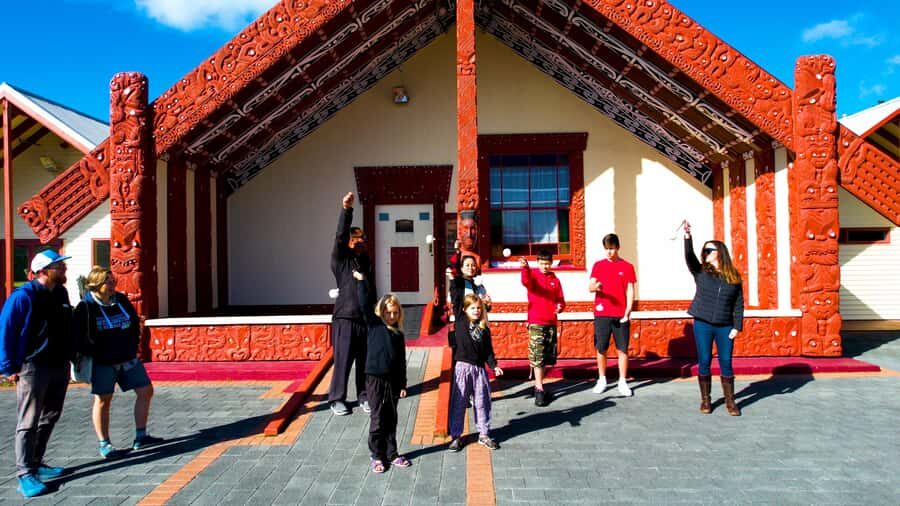
A lot of cultural tours show buildings. This one shows what buildings mean when the community is still using them.
You’ll visit several historic landmarks and structures, including:
- an active marae (meeting grounds and a focal point of Māori communities)
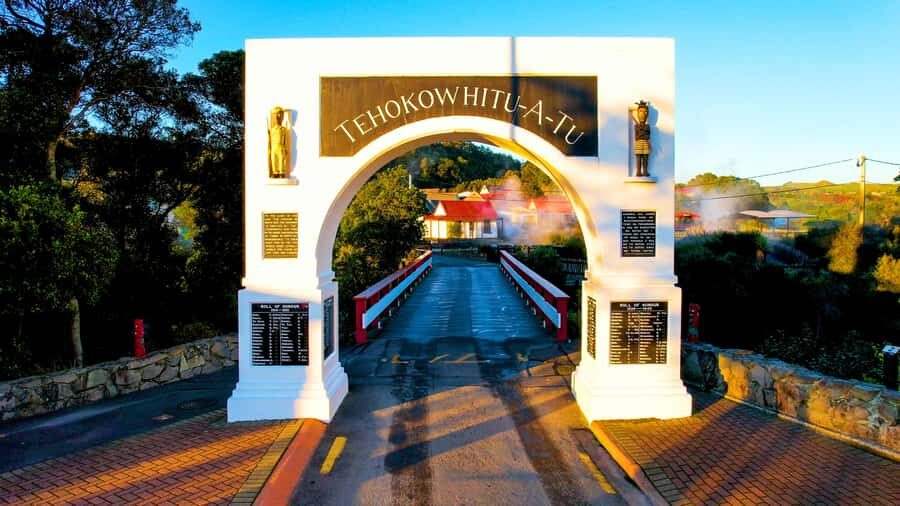
- a WWII memorial archway
- historic churches
- tapu burial grounds (sacred areas)
This mix matters. It helps you understand the village as layered—Māori community life, spiritual and sacred spaces, and later histories all present in the same place. Your guide is the connector, explaining how people interpret the geothermal environment alongside community responsibilities and cultural protocols.
It’s also a good reminder that this isn’t a museum. An active marae means people gather for real reasons. So you’ll want to listen closely to the guide’s cues, watch your pace, and keep your voice at a respectful level. The tour becomes less about checking boxes and more about learning how place, land, and tradition overlap.




Guides make the difference: Faye, Daniel, Teeao, Keighly (and others)
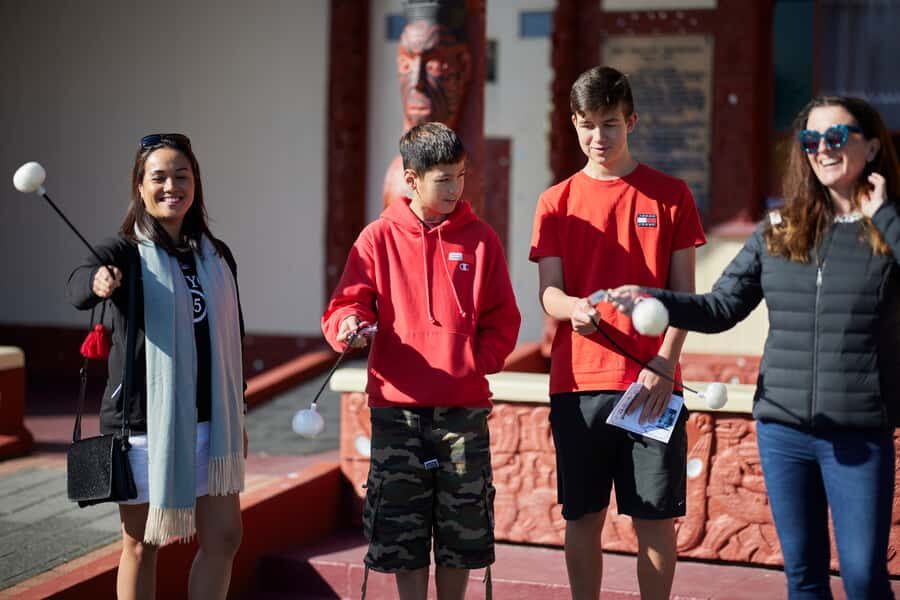
In Rotorua, you can find lots of “nice tours.” What elevates Whakarewarewa is the guide quality people consistently talk about—passionate, funny, and detailed in a way that doesn’t feel like over-teaching.
You’ll hear different guides throughout the day, and names pop up in the kind of feedback that signals real consistency. For example:
- Faye stands out for being lively and engaging while answering lots of questions.
- Teeao is praised for being extremely knowledgeable and attentive to detail.
- Daniel is mentioned often for enthusiasm, warmth, and clear explanations, plus ending with a blessing.
- Keighly is described as passionate about heritage, with a very upbeat, question-friendly style.
One particularly memorable detail from the guide stories: I’ve seen feedback noting a guide who was a young chief—nineteen years old in one case—sharing what family leadership looks like. That kind of perspective is why you’ll feel like you’re learning from people, not just a brochure.
If you care about authenticity, that’s your clue. This tour is strongest when you lean in—ask what something is called, ask why a practice exists, and don’t be shy about saying you want more context.
Sweetcorn cooked in geothermal heat: small taste, big lesson
This tour includes corn on the cob, and it’s not served like a random snack. It’s cooked using the geothermal resources on site. In practice, that means you get that unmistakable mineral-heat cooking vibe—hot, steamy, and fresh.
People often remember this moment because it links the story to your senses. You can hear about geothermal cooking all day long, but taking a bite makes the idea feel real. It also gives you a natural pause during the walk—time to stand, taste, and let the guide’s explanations sink in.
If you’re the type who likes food experiences, this is a low-cost add-on that doesn’t feel gimmicky. At $28 per person for a one-hour guided experience that includes admission and the cooked sweetcorn, it’s the kind of value where the cost basically covers access plus guided storytelling plus one of the signature village activities.
Planning your hour: weather, shoes, and what to bring
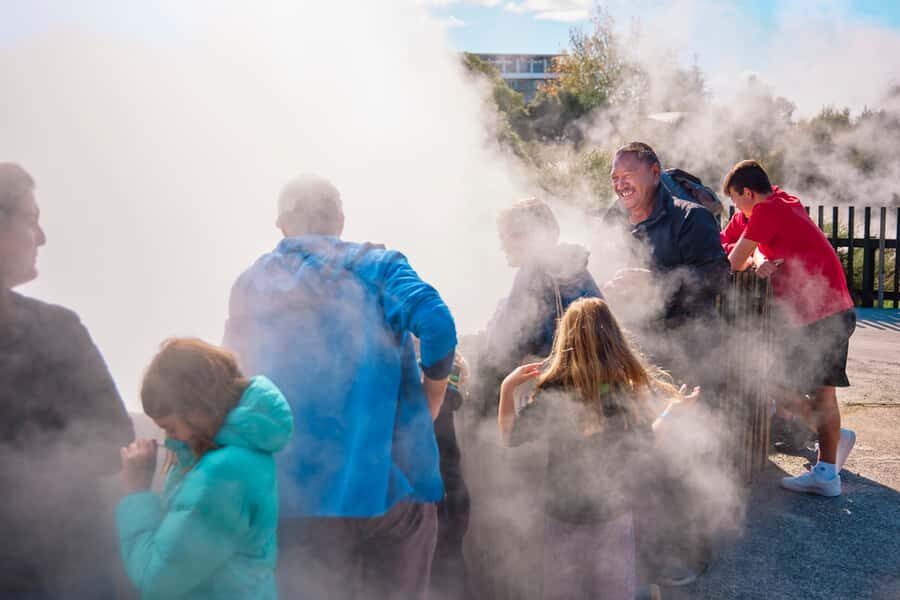
This is an outdoor tour, and it runs in all weather. Rotorua can change fast: rain, mist, wind, and sudden sun. If you want comfort, plan for slippery patches and damp paths.
Bring:
- Comfortable shoes you trust on uneven, wet ground
- A camera (steam can soften photos, but geyser moments are worth it)
- A face mask or protective covering (the tour asks you to bring one)
Also, think about your timing. Aim to arrive early at Geyser Café. The tour begins after quick check-in and the safety briefing, and you’ll want to be ready before you’re standing in steam and geothermal warmth.
Finally, stay mentally flexible about what you’ll see at peak intensity. Geothermal zones are active systems. Even in the same village, the steam and bubbling can look different from one hour to the next.
Who should book this Whakarewarewa legacy tour
This is a great fit if you:
- Want a culture + geothermal experience without spending half a day
- Prefer guides who explain what you see in plain language
- Like learning from direct descendants of guides who helped shape tourism here
- Enjoy practical hands-on touches like the sweetcorn cooked in geothermal heat
It’s also a strong option if you’re traveling with a mixed group—people who want nature facts and people who want Māori cultural context can both find value in the hour.
If you dislike walking around outdoors, or if wet weather drains you fast, you’ll need to dress for conditions. And if you’re chasing a very specific geyser or boiling pool moment at peak intensity, understand geothermal activity varies.
Should you book this one-hour Whakarewarewa tour?
Yes, you should book it if you want the clearest “why this place is famous” answer in the shortest time. The guide-led structure, the Pōhutu lookouts, and the chance to see geothermal cooking and bathing in a working community make it more than sightseeing.
It also has strong value for the money: $28 for a one-hour guided tour with admission plus sweetcorn is a sensible way to spend a Rotorua block of time. If you’re deciding between a generic viewpoint and a lived-in explanation, choose this guided village walk.
One last tip: go in ready to ask questions. This tour gets better the moment you treat it like conversation rather than a timetable.
FAQ
How long is the Rotorua Whakarewarewa guided tour?
It lasts about 1 hour.
Where do I meet for the tour?
You start at Geyser Café.
What’s included in the ticket price?
The tour includes admission, a guided tour, and corn on the cob.
Do I need to exchange a voucher before the tour starts?
Yes. You must exchange your voucher at the admissions building before the tour begins.
Is the tour outdoors?
Yes, it takes place outdoors in all weather conditions.
What should I bring?
Wear comfortable shoes and bring a camera. You should also bring a face mask or protective covering.
What language is the tour guide?
The live tour guide provides the tour in English.
Is the tour wheelchair accessible?
Yes, the tour is wheelchair accessible.
Is there a free cancellation option?
You can cancel up to 24 hours in advance for a full refund.
Can I reserve now and pay later?
Yes, there is a reserve now & pay later option.