REVIEW · ROTORUA
From Rotorua: Whirinaki Rainforest Guided Cultural Tour
Book on GetYourGuide →Operated by Whirinaki Forest Footsteps · Bookable on GetYourGuide
Whirinaki doesn’t feel like a normal tour. It’s a guided cultural walk where you learn rongoā Māori plant knowledge and finish with a forest picnic and Kawakawa tea. I especially loved the Mihi Whakatau and Karakia at the waharoa, and how the walk connects Ngā Rākau Rangatira (chiefly trees) to everyday Māori care of land. One thing to plan for: the roads up can be windy, so if you get travel sickness, take precautions.
This is also the kind of day where names stick, because the hosting can feel personal. I liked the way the tour leans into forest bathing as something guided, not just a buzzword, with traditional chants and wind instruments during the still moments. And you do more than rainforest walking: on the way back you stop at Te Ana a Tokowaru to see ancient, unmarked rock carvings you won’t find on a signpost.
You’ll start at Rotorua i-SITE (Fenton Street) at 8:30 AM after checking in at 8:15, then you’ll be back around 3:30 PM. For $176 per person, you’re paying for a fully hosted cultural day plus the included shuttle, lunch, and Kawakawa tea.
In This Review
- Quick hits
- Whirinaki Forest: Why This Cultural Walk Feels Worth the Time
- The tone: spiritual welcome first, facts second
- Getting There From Rotorua i-SITE: Shuttles, Stops, and Windy Roads
- What I’d bring for the drive and the walk
- Waharoa Welcome and the 2.5 km Trail: Ngā Rākau Rangatira Up Close
- What the guides actually do on the trail
- Rongoā Māori, Bird Calls, and Forest Bathing Moments
- Rongoā Māori plant knowledge
- Birdlife spotting you can actually hear
- Forest bathing with chants and wind instruments
- Picnic Lunch in the Bush and Kawakawa Tea: Food That Fits the Setting
- Hot Kawakawa tea at the end
- Te Ana a Tokowaru: Ancient Rock Carvings You See in Real Caves
- Why this stop is more than sightseeing
- Price and Value: What $176 Covers for a 7-Hour Hosted Day
- Who This Tour Suits Best (and Who Might Reconsider)
- Should You Book From Rotorua: My Bottom Line
- FAQ
- Where do I meet, and what time does the tour depart?
- How long is the guided walking part?
- What’s included for lunch and drinks?
- What cultural elements are included during the tour?
- Are there any restrictions on alcohol or intoxication?
- Is the tour guided in English?
Quick hits
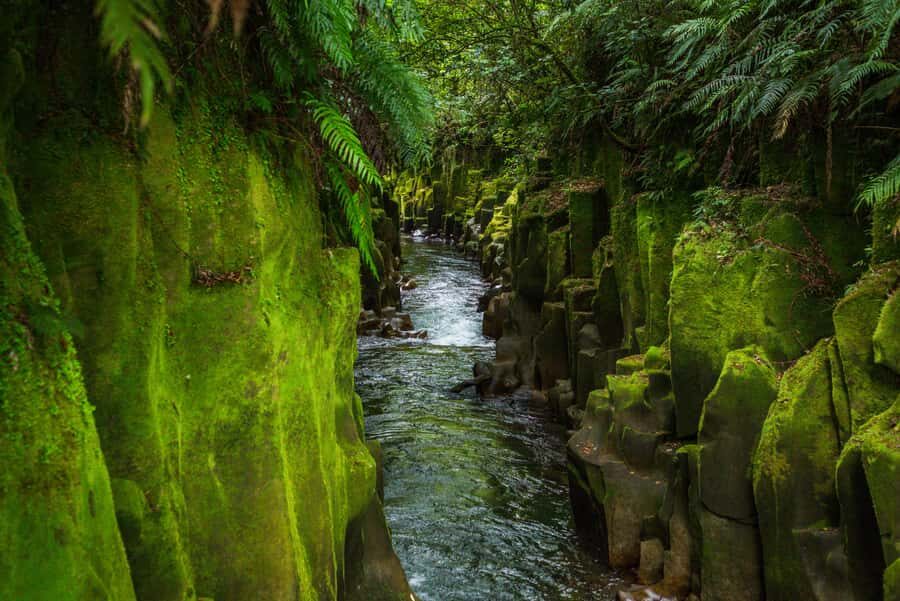
- Mihi Whakatau and Karakia at the forest gateway set the tone before the walk starts
- 2.5 km of guided trail in the Jurassic Podocarp Native Rainforest of Whirinaki
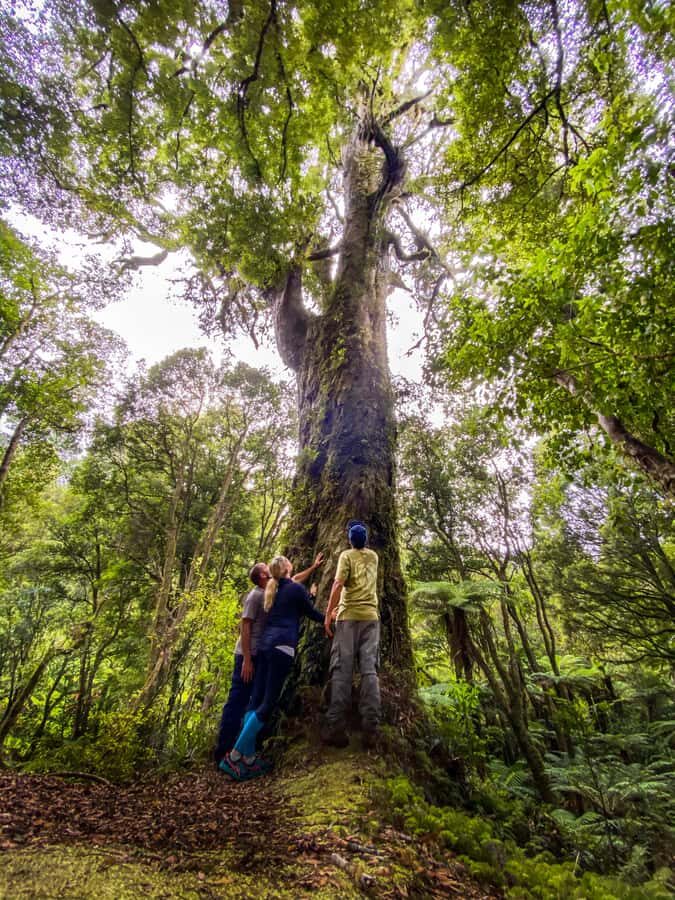
- Ngā Rākau Rangatira stops you can stand in front of, including very old tōtara over 1,000 years
- Rongoā Māori plant teaching, plus native and endangered birdlife spotting
- Te Ana a Tokowaru stop: unmarked Māori rock carvings reached by a short bush walk into caves
- Hot Kawakawa tea at the end, with a chance to ask questions on the return ride
Whirinaki Forest: Why This Cultural Walk Feels Worth the Time
Rotorua is full of nature and culture tours, but Whirinaki is different in a good way. This day is built around time inside the rainforest itself, not around a quick photo stop. You travel less than an hour from Rotorua to get out of the usual tourist rhythm and into one of Aotearoa’s more untouched native forest pockets.
What makes this experience click is the way the guides link three things that are easy to treat separately: the forest environment, Māori cultural teachings, and wellbeing. You’re not just told what plants or trees are called. You get the meaning behind them, including how knowledge was passed through generations and how rongoā Māori (traditional medicine plants) fit into day-to-day life.
You can also read our reviews of more guided tours in Rotorua
The tone: spiritual welcome first, facts second
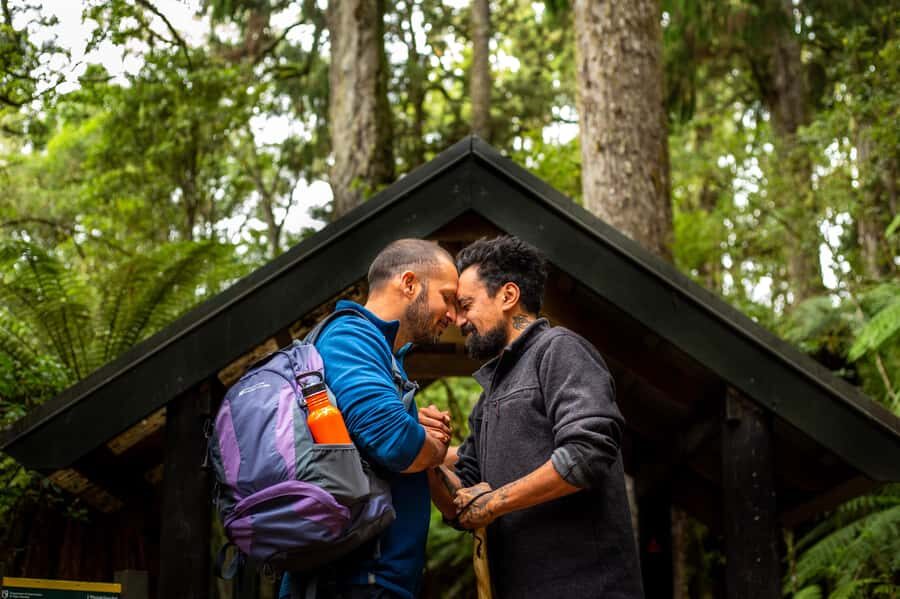
Before you even set foot on the trail, you arrive at the waharoa (gateway) and go through a Mihi Whakatau (welcome) and Karakia (prayer). For me, that matters because it changes how you move through the forest. Instead of switching your brain off and walking for the views, you’re guided into a mindset of listening. You’ll hear stories, chants, and bird calls as part of the experience, not as random background.
Getting There From Rotorua i-SITE: Shuttles, Stops, and Windy Roads
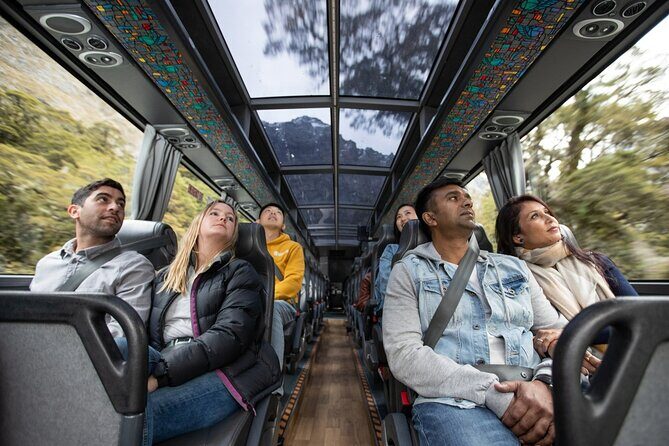
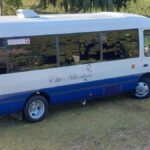
The day starts at Rotorua i-SITE on Fenton Street. Show up at 8:15 AM to check in, then depart at 8:30 AM. You’ll ride out of town and head toward Murupara first, with a break about 15 minutes there.
After that, it’s another stretch of driving before you’re in the forest area. The total “on the road” time is a big part of the experience because the hosts use the journey to set context, explain what you’ll see, and help you get comfortable.
Here’s the practical part you should take seriously: the roads going up can be windy. If you’re someone who gets motion sickness, consider motion sickness tablets before you depart. It’s a small step that can make the day smoother for you, especially since you’ll later be walking on uneven forest paths.
What I’d bring for the drive and the walk
- Comfortable shoes with grip
- Insect repellent
- Sunscreen and lip balm
- A jacket or windbreaker, since forest air can feel cooler
- Your camera
- A water bottle (bring it even though the lunch is provided)
Waharoa Welcome and the 2.5 km Trail: Ngā Rākau Rangatira Up Close
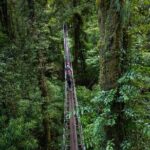
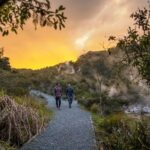
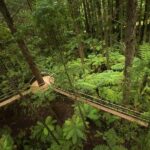
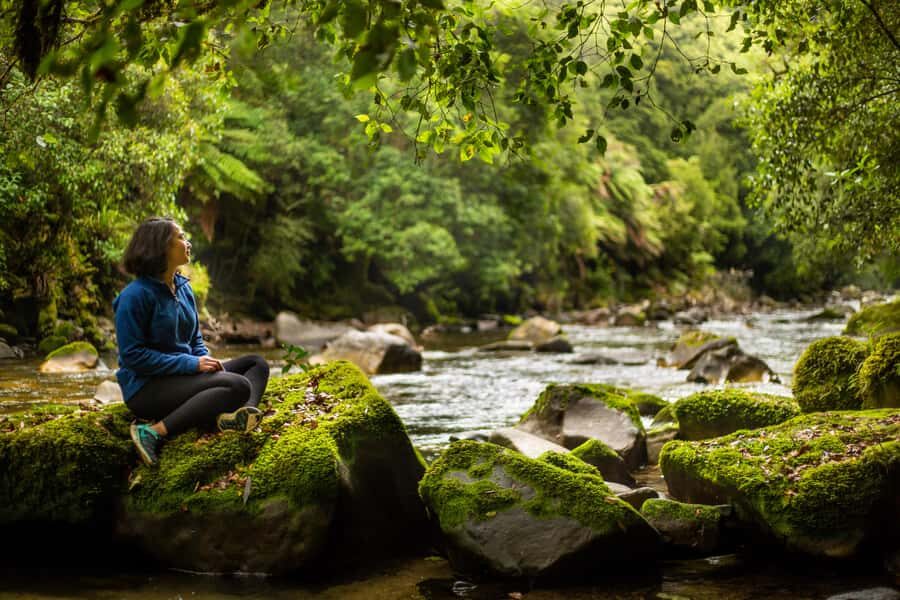
The heart of the day is the guided walk: about 2.5 km on native trails, with around 2 hours of guided time in the forest. You’ll move through a Jurassic Podocarp Native Rainforest setting, which is exactly the kind of environment where you can feel how long trees have been growing there.
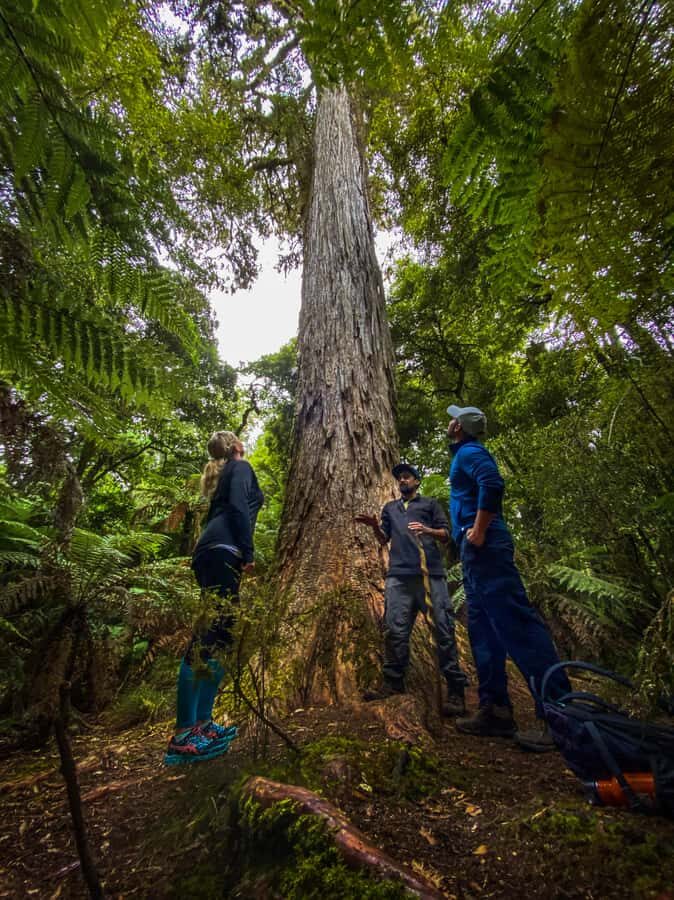
You’ll start at the gateway and follow your Māori hosts along the route. The stops are not random. One highlight is standing before Ngā Rākau Rangatira, the chiefly trees. You’ll learn about the trees’ significance, and you’ll hear how the forest relates to Māori identity and land care.
A standout detail you should look forward to: your route includes ancient tōtara—over 1,000 years old. That’s the kind of moment that makes the walking feel bigger than the distance. You’re not doing 2.5 km just to say you walked. You’re walking to reach places with cultural and ecological meaning.



What the guides actually do on the trail
This is a guided cultural experience, so you’ll get:
- Stories, myths, and legends passed through generations
- Direction on what to notice in the forest (plants, birds, and tree forms)
- Teachings about rongoā Māori medicine plants
- Birdlife spotting, including native and endangered birds
If you like asking questions, this is a good tour for you. The hosting style is designed for kōrero (chat), and you’ll get room to talk during the day, not just at the end.
Rongoā Māori, Bird Calls, and Forest Bathing Moments
One reason this tour scores so high is that the rainforest isn’t treated like a classroom only. You get a balance between learning and slowing down.
Rongoā Māori plant knowledge
During the walk, you’ll be shown traditional medicine plants and learn how Māori used them. The tour doesn’t position plants as museum objects. It frames them as part of living knowledge—something connected to health and community practice.
In practical terms, this kind of teaching changes how you walk after the tour. You’ll start to see different layers in the forest: the bigger trees, the plants underfoot, and the way living things support one another.
Birdlife spotting you can actually hear
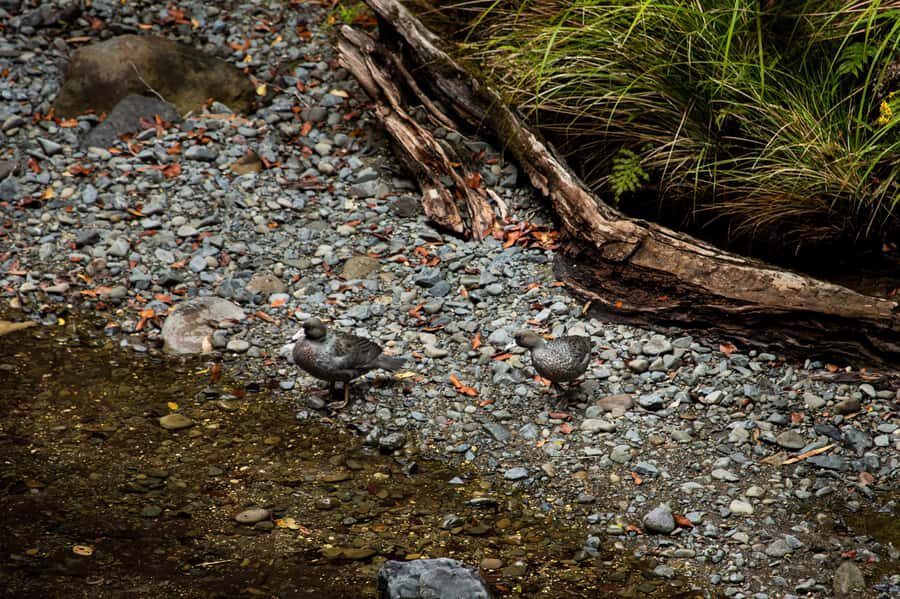
Bird calls are a major part of the experience because you’re walking with people who know what to listen for. The tour includes spotting native and endangered birds, and your hosts will point out what you might be missing if you were alone.
Forest bathing with chants and wind instruments
This is where the day becomes a little different from standard culture walks. The tour builds in forest bathing moments—mindfulness and reconnection with nature—but those moments aren’t silent and blank. Guides bring in traditional chanting and Māori wind instruments as part of the stillness.
For me, the key value here is permission. You’re given a reason to slow down, look around, and take in the forest energy on purpose. If you’ve ever felt rushed through “nature experiences,” this part is designed to counter that.
Picnic Lunch in the Bush and Kawakawa Tea: Food That Fits the Setting
At about the midway point, you’ll stop for a packed picnic lunch. You’ll have around 30 minutes here, and the lunch is infused with local flavors. You also get time to kōrero with your guides—culture questions, identity questions, or environmental knowledge questions.
This lunch stop works well because it breaks up the day without cutting into the forest time too aggressively. It’s long enough to eat properly and ask a few questions, but short enough that you’re back outside for the last stretch.
Hot Kawakawa tea at the end
After the main walk, you’ll finish with a warming cup of Kawakawa tea. Kawakawa is used as a treasured traditional medicinal brew, and having it as a closing ritual gives the day a clean ending point. It’s also the kind of detail that makes the tour feel “complete,” not just a walk with a snack.
Te Ana a Tokowaru: Ancient Rock Carvings You See in Real Caves
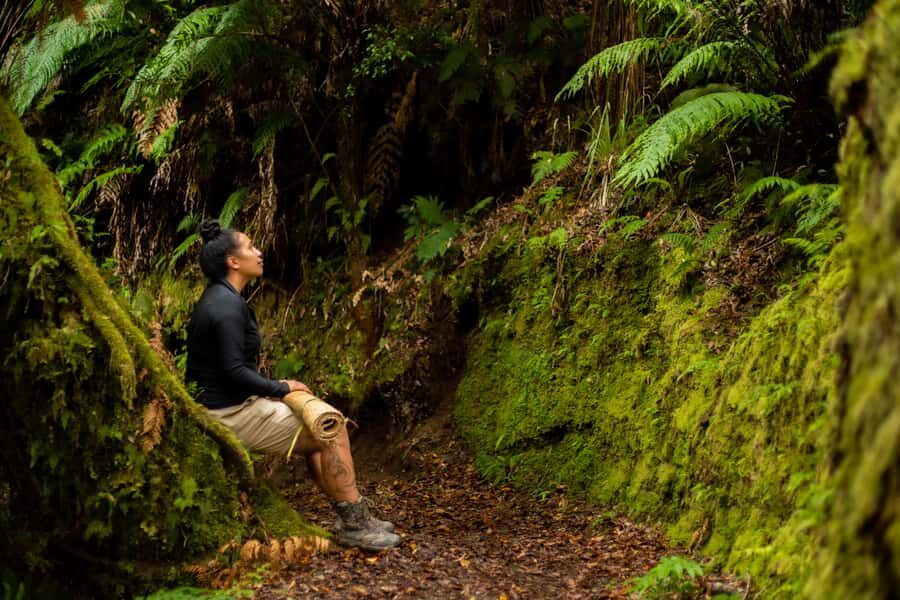
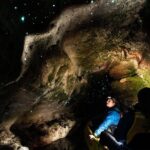
On the way back toward Rotorua, your hosts take you to Te Ana a Tokowaru, home to the oldest Māori rock carvings in New Zealand. The key thing here is access and context: it’s unmarked and not sign-posted for the general public.
You reach the carvings by a short bush walk into ancient caves. The caves were carbon-dated to over 400 years before the Great Migration. Your guides explain the stories behind the site and share cultural storytelling about arrival history—information described as rarely shared beyond communities.
Why this stop is more than sightseeing
Most “cave or carving” stops are a quick look and then you’re back in the vehicle. This one is different because it’s guided, meaning you’re not just looking at stone. You’re learning what the carvings mean and why the timing and setting matter.
Also, because it’s unmarked, you’ll feel the difference between a lived-in cultural space and a public attraction. That matters for respect and for how you remember the day.
Price and Value: What $176 Covers for a 7-Hour Hosted Day
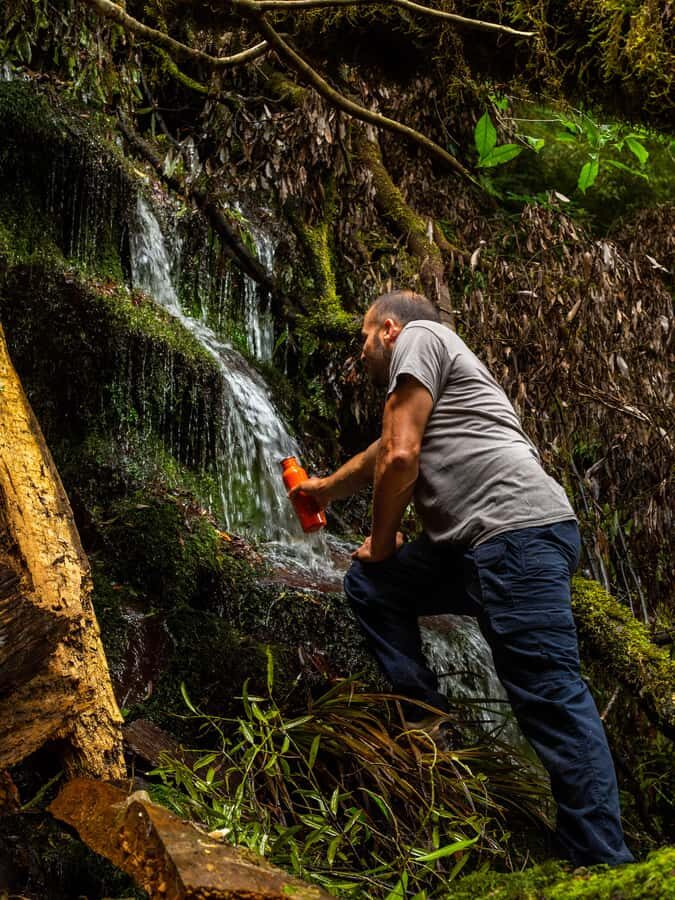
At $176 per person for about 7 hours, this is not a budget add-on. But it also isn’t just paying for transportation and a walking loop.
Here’s where the value comes from:
- Return shuttle from Rotorua i-SITE (8:30 AM departure, ~3:30 PM return)
- Fully guided Māori cultural walking experience inside Whirinaki
- The arrival Mihi Whakatau and Karakia
- Interpretation of Ngā Rākau Rangatira and other ancient native species
- Teachings on rongoā Māori medicine plants
- Native and endangered birdlife spotting
- Forest bathing moments with traditional chants and Māori wind instruments
- A packed picnic lunch with local flavors
- Hot Kawakawa tea
- Entry to Te Ana a Tokowaru plus guided storytelling there
- Kōrero and a more personal hosting vibe on the return journey
In other words, you’re paying for a structured day with cultural hosting, food, and access to a meaningful site that isn’t just “pay and walk in.” If your priority is a quick nature photo tour, you might find this longer, more structured day unnecessary. If your priority is understanding the forest through Māori cultural knowledge, it’s a strong fit.
Who This Tour Suits Best (and Who Might Reconsider)
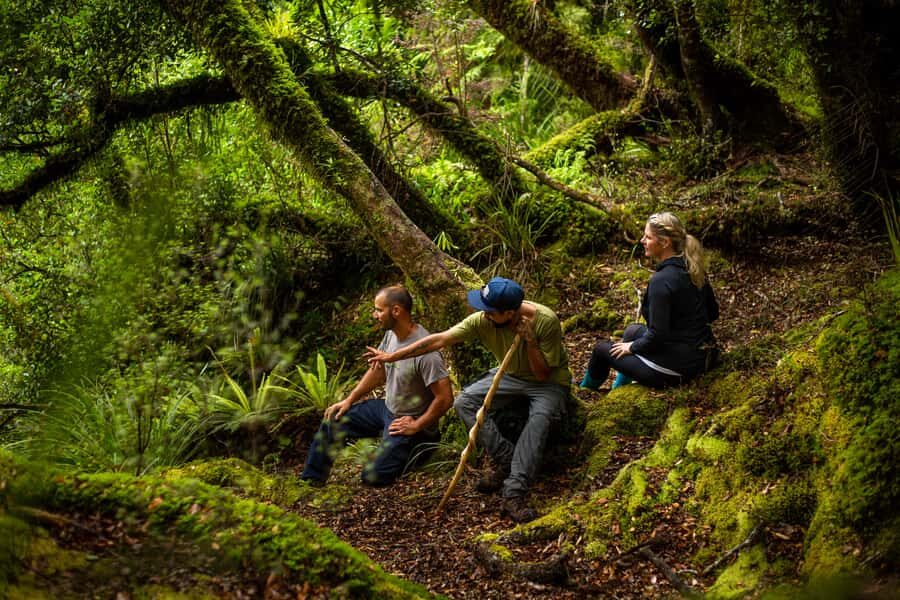
I’d point you here if you:
- Want a guided Māori cultural experience tied directly to the land
- Enjoy nature walks but also care about meaning, not only scenery
- Like stopping to ask questions and learning from your hosts
- Prefer a day that includes a wellbeing component like forest bathing
- Appreciate a tour that includes a genuine, guided cultural site stop on the way back
You might rethink booking if:
- You’re very sensitive to winding roads (the drive includes windy segments)
- You don’t want a cultural format with welcome rituals and guided chanting
- You prefer totally self-paced time, since much of the day is guided and timed
This is a walking-focused day, so your shoe choice matters. And since it’s rainforest territory, being ready for cool or breezy conditions helps.
Should You Book From Rotorua: My Bottom Line
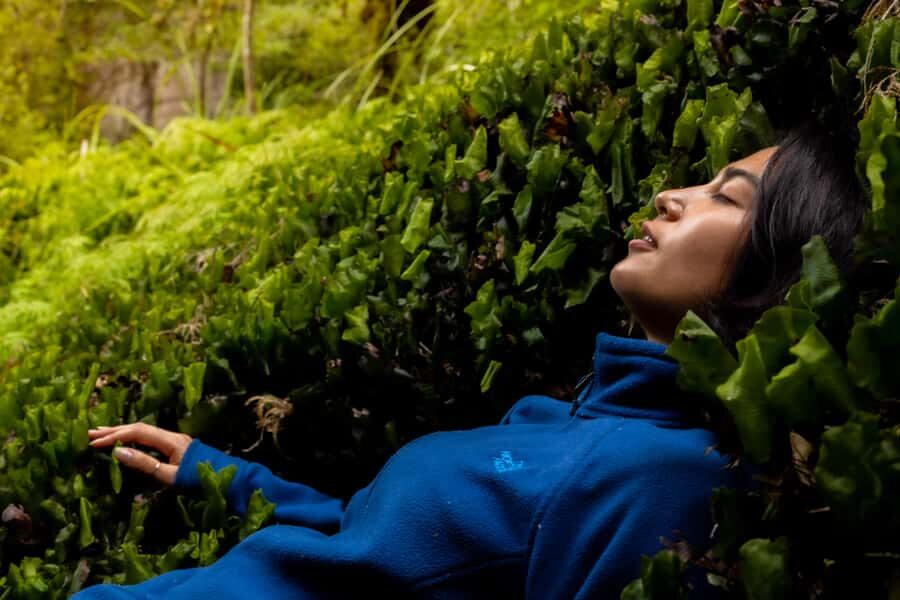
If you’re choosing one Rotorua-area culture-and-nature outing that actually spends time in the forest and treats Māori knowledge as central, this is a solid pick. The combination of Mihi Whakatau and Karakia, rongoā plant teachings, bird spotting, and forest bathing moments makes the Whirinaki walk feel purposeful. Then the Te Ana a Tokowaru stop adds a rare access element, because it’s unmarked and guided in a way that respects the setting.
Book it if you want a day that’s equal parts learning, quiet, and cultural storytelling. Skip it only if windy roads, guided pacing, or a more structured cultural format would make you uncomfortable.
FAQ
Where do I meet, and what time does the tour depart?
Meet at the Rotorua i-Site on Fenton Street. Arrive at 8:15 AM to check in, and the tour departs at 8:30 AM.
How long is the guided walking part?
You’ll walk about 2.5 km on native trails with around 2 hours of guided time in the forest.
What’s included for lunch and drinks?
You get a packed picnic lunch infused with local flavors, and you’ll finish with a hot cup of Kawakawa tea.
What cultural elements are included during the tour?
You’ll receive a Mihi Whakatau welcome and a Karakia prayer on arrival. You’ll also hear traditional Māori chants and experience Māori wind instruments during the forest bathing moments, plus cultural storytelling throughout.
Are there any restrictions on alcohol or intoxication?
Yes. Intoxication isn’t allowed, and alcohol and drugs are not allowed. Alcoholic drinks in the vehicle also aren’t allowed.
Is the tour guided in English?
Yes. The tour is live-guided and delivered in English.