REVIEW · ROTORUA
Rotorua: Nocturnal Glow-Worm Adventure Tour with a Guide
Book on GetYourGuide →Operated by Real Rotorua · Bookable on GetYourGuide
Twilight turns Rotorua into a living night show. This 3-hour glow-worm adventure takes you off the main sights and into a native forest after dark, where thousands of tiny lights flicker across the trail like a scattered sky.
I especially like the small group setup (max 8), because you’re not shouting over a crowd, and the guide can point out what’s moving in the dark. I also love that you get flashlights plus photos, so you can focus on what you’re seeing instead of fumbling with a camera.
One drawback to weigh: it’s a 2 km walk in low light on uneven ground. If you struggle with slipping, tripping, or moving slowly on roots and rocks, this won’t feel relaxing.
In This Review
- Key Things You’ll Remember
- Rotorua Glow Worms Look Different When You Walk Through Them
- Getting There: The Silver Van Pickup and First Night-Vibe
- The 25-Minute Drive: What the Guide Brings to the Night
- The Night Walk Itself: 2 Kilometers Through Roots, Rocks, and Running Water
- What you should mentally prepare for
- When the Flashlights Go Off: The Glow-Worm Constellation Moment
- Wildlife Beyond Glow Worms: Weta, Morkporks, and Other Night Creatures
- Photos Included: How to Get Better Shots in Low Light
- Rain Makes It Mean More: Damp Weather and the Glow
- Safety and Comfort: What the Trail Demands
- A few comfort tips that will actually matter
- Price and Value: Is $74 Worth 3 Hours in the Dark?
- Who Should Book (and Who Should Skip)
- The Bottom Line: Should You Book This Rotorua Glow-Worm Tour?
- FAQ
- How long is the nocturnal glow-worm tour?
- What’s the walking distance on the tour?
- How big is the group?
- Does the tour include transportation?
- What should I bring and wear?
- Are children allowed?
- Is smoking allowed during the tour?
Key Things You’ll Remember
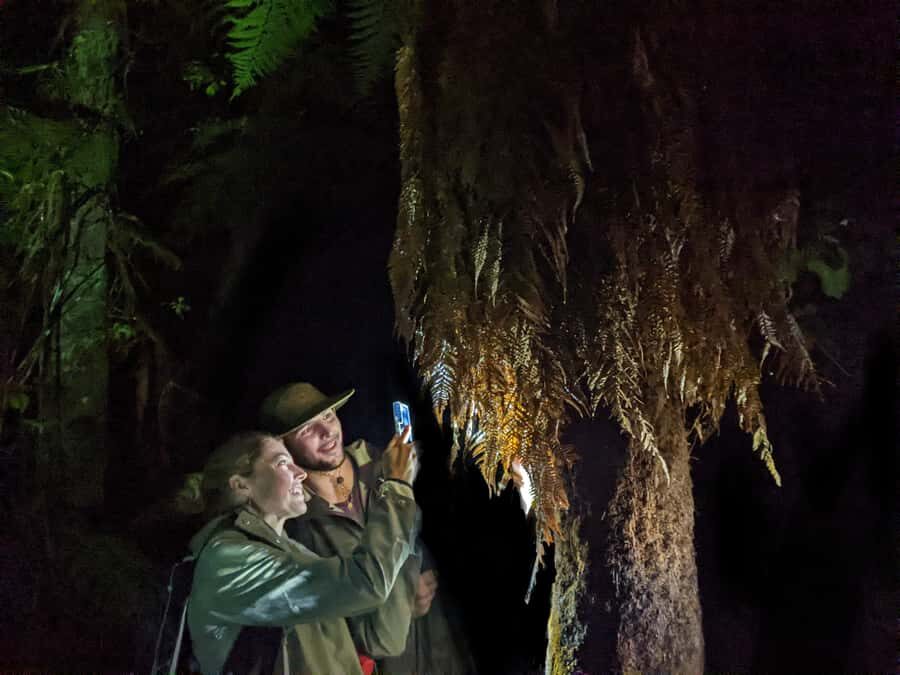
- Flashlights off moment: the guide has you switch off your torches to experience the glow-worm “constellations.”
- Native forest at night: waterfalls, giant ferns, towering trees, and dark-bush sounds all shape the walk.
- Small group pacing: limited to 8 people, so you get time to stop, look, and ask questions.
- Wildlife spotting focus: you’ll keep an eye out for creatures like weta and other nocturnals, not just glow worms.
- Photo help included: you’ll receive photos taken during the tour (great for low-light results).
- 2 km of real trail: short distance, but it’s still a nighttime hike with roots and slippery spots.
Rotorua Glow Worms Look Different When You Walk Through Them
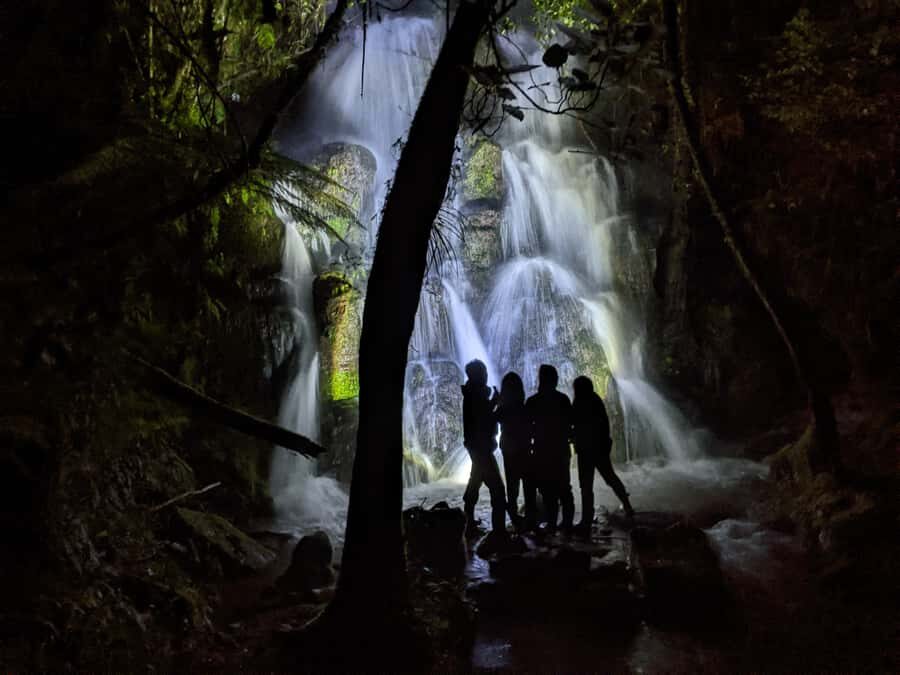
A standard day in Rotorua is all about thermal sights and easy viewpoints. At night, the forest becomes the main attraction, and the glow worms turn the undergrowth into something you can’t really picture from daylight photos.
This tour is built around that “wait for it” feeling. You start with a guided night walk in a native rainforest, following the sound of running water, and then the real payoff hits when the flashlights go off and you see the display spread out all around.
You can also read our reviews of more guided tours in Rotorua
Getting There: The Silver Van Pickup and First Night-Vibe
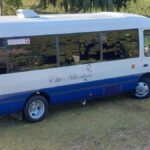
You’ll meet your guide outside the tourist information center, and you’re looking for a silver Ford Transit van with Real Rotorua signage. It’s a short ride—about 25 minutes—to get you out where the forest experience actually works at night.
Once you’re in the group, you’ll get kitted out with what you need for the dark. Expect specialized flashlights and boots, plus wet-weather gear if conditions call for it. That matters more than you’d think: wearing the wrong shoes in low light turns “a nice walk” into “why did I do this.”
The 25-Minute Drive: What the Guide Brings to the Night
The van ride is more than transport. Your guide (often Stephen, based on the names guests mention) sets the stage with stories about the area and what to look for once you’re off the road—covering local volcanic activity and Māori culture, plus the natural world you’re heading into.
I like this approach because it makes the forest feel intentional. When the guide explains what glow worms are doing and why, you stop treating the lights like a novelty and start noticing the whole system—plants, soil, and insect life that only show up after dark.
Also, past guests mention the guide taking time with questions and using humor lightly, which helps if you’re a little nervous about walking in darkness. You don’t need to be a hardcore hiker, but you do need to be present.
The Night Walk Itself: 2 Kilometers Through Roots, Rocks, and Running Water
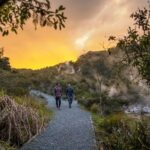
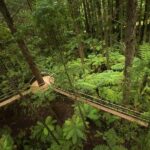
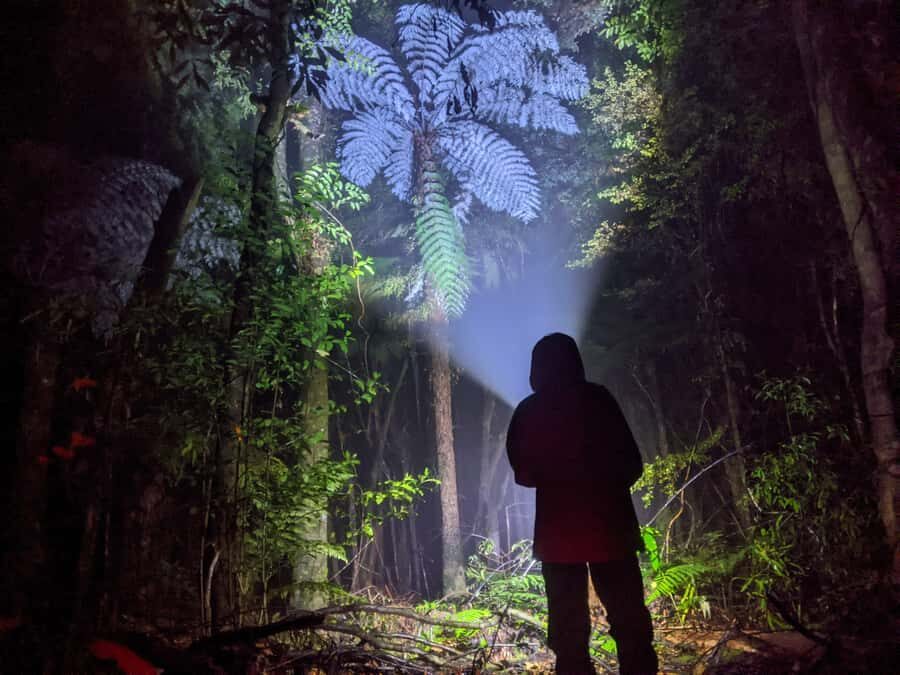
The tour centers on a 2 km walk through native bush. It’s short, but it’s not a flat stroll, and the low-light conditions are real. You’ll move over uneven ground, tree roots, and rocks—plus slippery surfaces if it’s been raining.
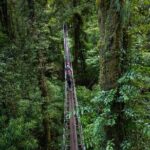
What makes the hike memorable is the pacing and the sound cues. You’ll be guided by the running water, and you’ll get the sense of the terrain closing in—towering banks and ferns around you—while the guide points out plants and insects you’d miss in daylight.
What you should mentally prepare for
- Dark trail = slow, careful steps
- Stops along the way = time to look, not just “keep walking”
- Low light = follow your guide’s instructions and use your flashlight as directed

When the Flashlights Go Off: The Glow-Worm Constellation Moment
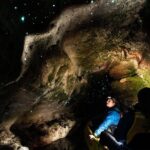
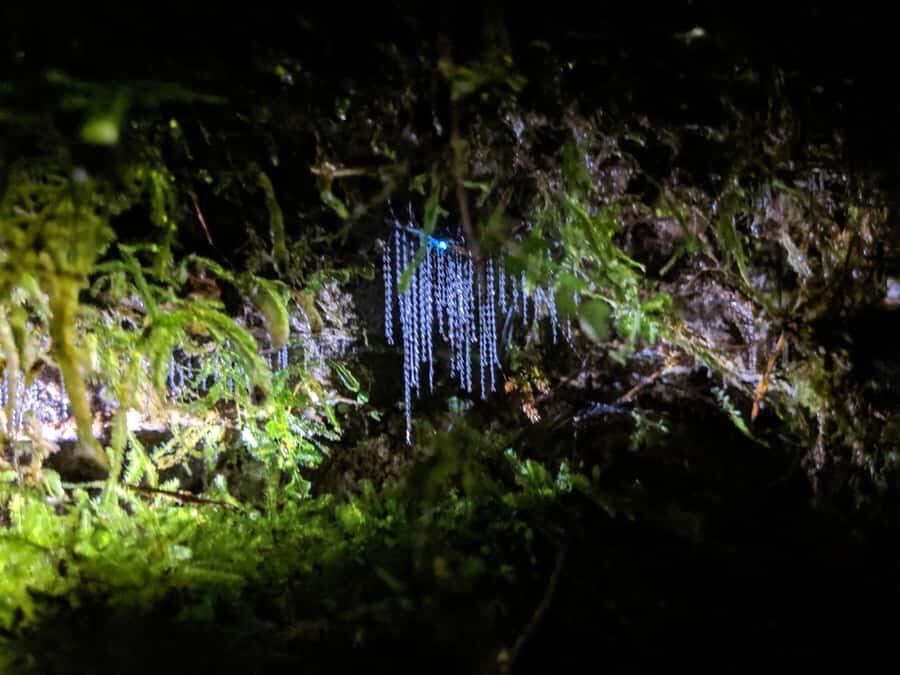
This is the signature moment. At a key spot, your guide tells you to switch off your flashlights. Then your world shrinks to what your eyes can pick up—often nothing at first, even your own hand.
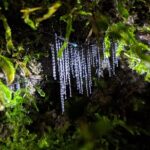
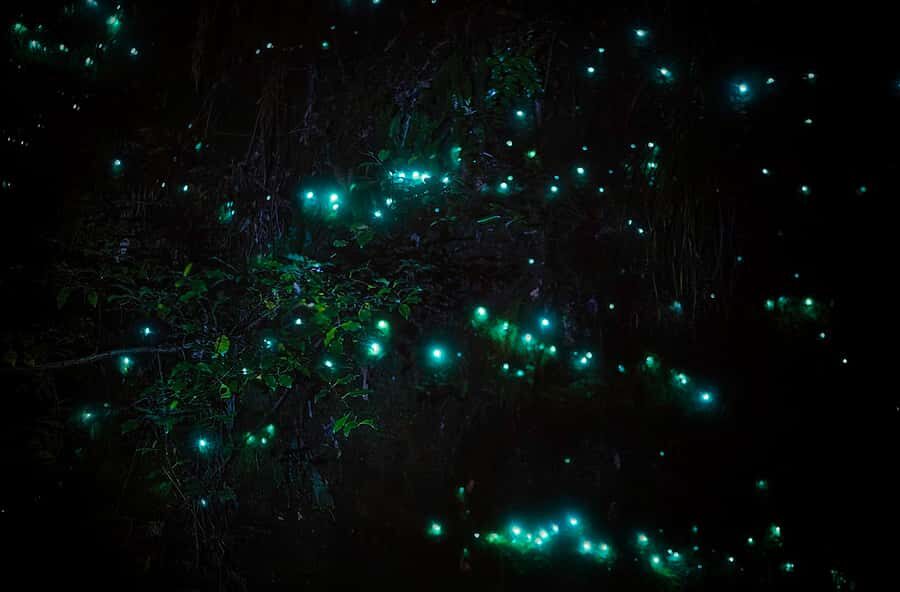
And then the glow worms start to read like a sky. Thousands of lights appear in the undergrowth, forming patterns people compare to constellations. It’s one of those experiences where your brain says: I knew glow worms existed, but I didn’t know they could look like this.
I like that the tour builds toward it instead of showing glow worms like a quick roadside photo stop. You get the anticipation, the dark adaptation, and then the “wow” moment all in sequence.
Wildlife Beyond Glow Worms: Weta, Morkporks, and Other Night Creatures
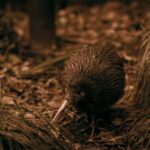
Glow worms are the headline, but the guide keeps your eyes open for other nocturnal life. You may spot things like weta (mentioned as part of the tour’s wildlife focus), plus other creatures active at night.
Some guests report seeing animals during the walk or around the broader experience, including possums and other night critters. The important thing to know is this: wildlife sightings are never guaranteed. What is consistent is that your guide will actively point out what’s there and explain what you’re seeing.
That “look closer” mindset is why this tour feels more like nature study than a simple glow-worm hunt.
Photos Included: How to Get Better Shots in Low Light
You’ll get photos as part of the experience. Guests mention that the guide takes pictures during the night, then shares them after the tour—an enormous help because low-light photography is hard even with a phone.
If you want great results, don’t fight the darkness. Follow the guide’s guidance on where to stand, and trust the fact that you’re seeing a live display. Glow worms look best when you can watch them, not just record them.
One more practical tip: flashlights and camera focus behave differently in the dark, so if you’re serious about photos, let the guide’s method do the heavy lifting.
Rain Makes It Mean More: Damp Weather and the Glow
New Zealand weather can be stubborn. The good news is that a rainy day doesn’t automatically ruin your plans here.
Guests specifically note that rainy conditions can make the glow worms look brighter and more intense. I’d treat damp weather as a bonus rather than a problem—just plan your clothing and footing so you stay comfortable and safe.
If you’re deciding between “wait for good weather” and “go now,” remember this: the forest at night is a different world. Even in less-than-perfect conditions, the guide’s equipment and the walk setup are meant to help you still enjoy the show.
Safety and Comfort: What the Trail Demands
This is where you should be honest with yourself. The tour includes uneven ground, tree roots, rocks, and slippery surfaces—plus low light, meaning you rely on torches/flashlights as instructed.
The operator runs a strict safety management system audited to New Zealand standards, but you still have to do your part. Wear comfortable shoes and be ready for a real nighttime hike, not a casual stroll.
A few comfort tips that will actually matter
- Wear comfortable clothes that handle cool, damp air
- Use the boots if provided, especially after rain
- Move slowly and keep your footing—this is not the time to rush
- No smoking on the tour
One extra practical note from past guests: plan around restroom access. There may be a long stretch with no comfort station, so it’s smart to go before you head out.
Price and Value: Is $74 Worth 3 Hours in the Dark?
$74 for about 3 hours sounds simple, but the value comes from what’s included and what you’re getting emotionally. You’re paying for a guided night experience in native bush with transport, flashlights, photos, and a tight group size that keeps the evening from feeling rushed.
You could do glow worms on your own, but you’d lose a lot of what makes this work: the guide’s timing, where you stop, when the flashlights go off, and the explanations that turn scattered lights into an actual natural story.
Add in that you’re not crammed with strangers (max 8), plus the high transport satisfaction noted by the operator’s reviewers, and you can see why many people treat this as a must-do Rotorua experience rather than an add-on.
Who Should Book (and Who Should Skip)
This tour is best for people who like guided walks and don’t mind moving at night. You’ll enjoy it if you want a hands-on nature experience: listening for water, watching for movement, and learning what you’re seeing.
It’s not suitable for children under 6, people with mobility impairments, wheelchair users, visually impaired people, or anyone with low fitness. If you’re unsure, read that part like you’re checking a hike difficulty rating—because the nighttime conditions make the same trail feel harder.
If you’re coming from a day of thermal stops and you want something totally different, this is a strong pick. It’s also ideal for couples and small friend groups who want calm attention and a guide who can answer questions.
The Bottom Line: Should You Book This Rotorua Glow-Worm Tour?
If you want a Rotorua night experience that feels personal and nature-focused, I think this is an easy yes. The glow-worm “flashlights off” moment is the kind of thing you remember long after you’ve forgotten most photo stops, and the guide adds context so it doesn’t feel like a one-note attraction.
Book it if you:
- can handle a 2 km night walk on uneven ground
- want a small group outing
- like learning about New Zealand wildlife, not just seeing lights
Skip it if you:
- struggle with slipping/tripping risk in the dark
- need wheelchair access or require low-light modifications
- prefer a completely flat, low-effort activity
FAQ
How long is the nocturnal glow-worm tour?
The tour lasts about 3 hours.
What’s the walking distance on the tour?
It includes a 2 kilometer walk through the native forest at night.
How big is the group?
The group is small, limited to 8 participants.
Does the tour include transportation?
Yes. You’ll travel in an air-conditioned van as part of the experience.
What should I bring and wear?
Wear comfortable shoes and comfortable clothes. The guide provides equipment like flashlights, and you may be provided boots and wet weather gear if needed.
Are children allowed?
No, it’s not suitable for children under 6 years old.
Is smoking allowed during the tour?
Smoking is not allowed during the tour.
If you want, tell me your travel month and your comfort level with night walks on uneven ground, and I’ll help you decide whether this is a great fit for your exact itinerary.