REVIEW · ROTORUA
Whakarewarewa: Self-Guided Geothermal Trails
Book on GetYourGuide →Operated by Whakarewarewa - The Living Māori Village · Bookable on GetYourGuide
Steaming ground, close-up views, and zero rush. That’s the vibe at Whakarewarewa Geothermal Trails, a self-guided walk through the living geothermal side of the Whakarewarewa Māori village, with viewpoints over the village and geysers.
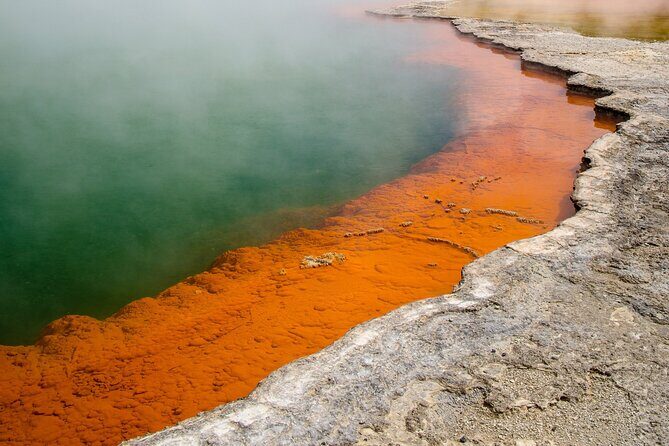
Two things I really like: first, you can take it at your own pace while the route works like a DIY lesson plan—there are information boards to help you connect what you’re seeing to the place. Second, the thermal features are right there in front of you: hot-spring lakes, bubbling mud pools, and steaming pools all wrapped in native bush.
One thing to keep in mind: this is self-guided, and there’s no live guide included—so if you want a person to answer questions on the spot, you’ll need to rely on the on-site information and your own curiosity.
In This Review
- Key takeaways before you go
- Price and value: what $23 gets you (and what it doesn’t)
- Starting at Geyser Café: your low-stress entry point
- Walking past the Rahui area: what to look for as you enter
- The geothermal trails at your pace: reading the boards and spotting the action
- Viewpoints over the village and geysers
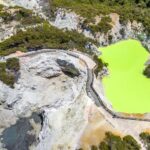
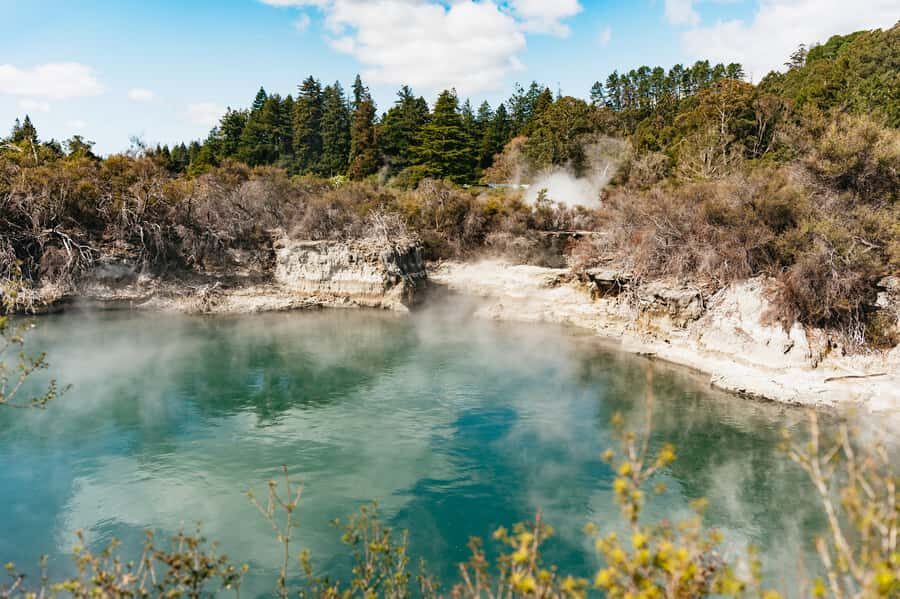
- Hot-spring lakes and bubbling mud pools: the heart of the experience
- Manuka bush, ferns, and edible plants: nature you can actually notice
- Timing: when to visit between 9:00 AM and 3:00 PM
- Photography tips that actually match the site
- What kind of traveler this suits best
- Should you book Whakarewarewa Geothermal Trails?
- FAQ
- Where is Whakarewarewa located?
- How much does the geothermal trail ticket cost?
- How long is the experience?
- Is this self-guided or guided?
- Where do I exchange my voucher before entering?
- What’s included in the ticket?
- What should I bring for the walk?
- Is it wheelchair accessible and what language is available?
- Is free cancellation available?
Key takeaways before you go
- Self-guided and flexible: you can linger over steam, photos, and reading without a group schedule
- Real geothermal variety: hot-spring lakes plus bubbling mud pools in one easy flow
- Village-and-geyser viewpoints: stop for panoramic views over the Whakarewarewa area
- Manuka and native bush scenes: the thermal features sit inside native Manuka bushlands and ferns
- Plan around last call: trails are open from 9:00 AM to 3:00 PM, with last call at 3:00 PM
Price and value: what $23 gets you (and what it doesn’t)
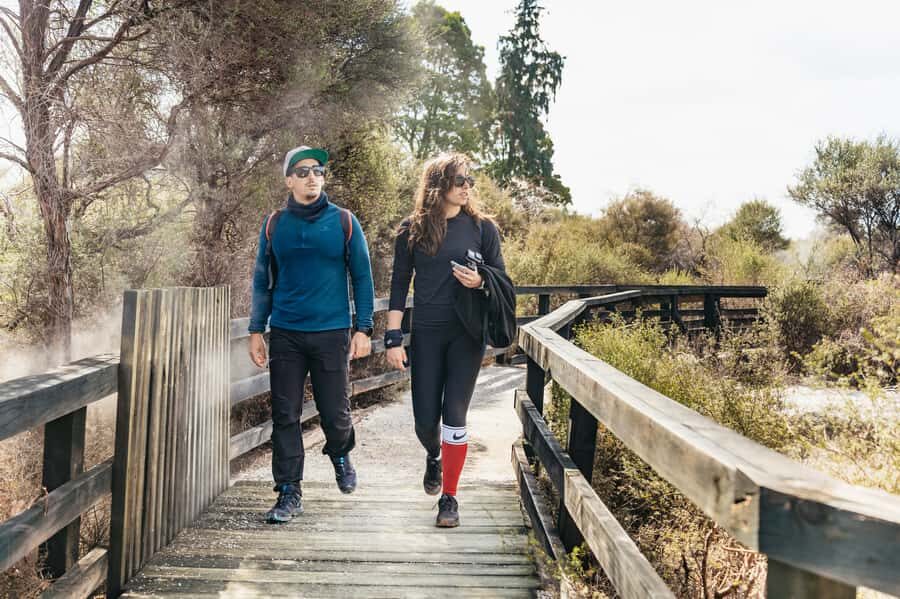
At $23 per person, this is a straightforward pay-for-entry experience. You’re not buying a multi-course tour or a bus ride—you’re buying access to the geothermal trails so you can walk through and experience the thermal features yourself.
What’s included is simple: entrance to the trails. What’s not included is equally clear: no hotel pickup/drop-off, no food or drink, and no live guide. That matters for budgeting. If you need a full half-day meal plan, you’ll want to handle food separately. If you’re hoping for a conversational guide to explain every phenomenon, you should adjust your expectations to a more reading-and-observing style.
In my book, the value holds up because the site is open for a long window (9:00 AM–3:00 PM). You can time your visit when the light is good for photos and when you feel like walking—without feeling locked into a tight, timed tour.
You can also read our reviews of more guided tours in Rotorua
Starting at Geyser Café: your low-stress entry point
Your day starts at Geyser Café, where you’ll exchange your voucher at the admissions office before you enter. This is the key step. It’s easy to miss in travel mode, so give yourself a few calm minutes to get the ticket exchange done and get oriented.
You’ll then head out from the admissions area and move into the village grounds. There’s a memorial archway that marks the transition from your arrival moment into the geothermal walk itself. It’s a small detail, but it helps you feel like you’re not just walking through a random park—you’re entering a functioning Māori village and its geothermal spaces.
A small practical note: since the experience is self-paced, the faster you get your bearings early, the more you’ll enjoy the walking. Once you’re moving, you can settle into a gentle rhythm—steam, signage, then one more viewpoint.
Walking past the Rahui area: what to look for as you enter
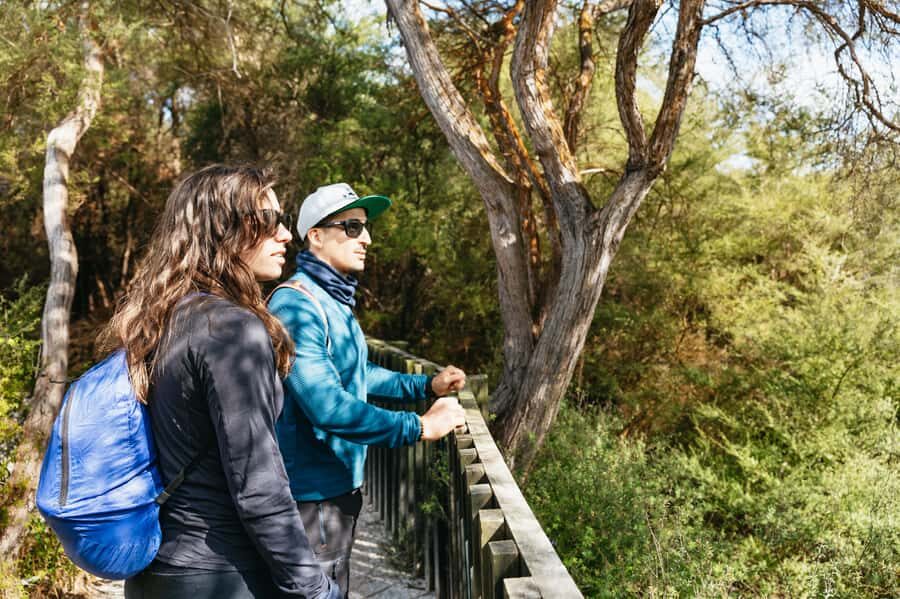
Right after the memorial archway, you’ll pass by the village’s main Rahui area. Even before you reach the hottest thermal features, this part sets context for what you’re about to see.
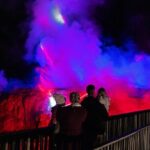
As you continue, expect a scene that feels like a real-world science film: bubbling waters and active geothermal activity close to where you’re walking. The path creates those Jurassic Park-like moments—not because it’s trying to be movie magic, but because the geothermal action is genuinely visible and continuous.
Keep an eye on the details around the thermal activity, not just the steam. The trail includes native plant areas like Manuka bushlands, and you’ll also spot things like native ferns and edible plants mentioned as part of what you’ll encounter. That mix matters. Geothermal here isn’t just “hot rocks.” It’s thermal water and gases interacting with living vegetation and village space.
The geothermal trails at your pace: reading the boards and spotting the action
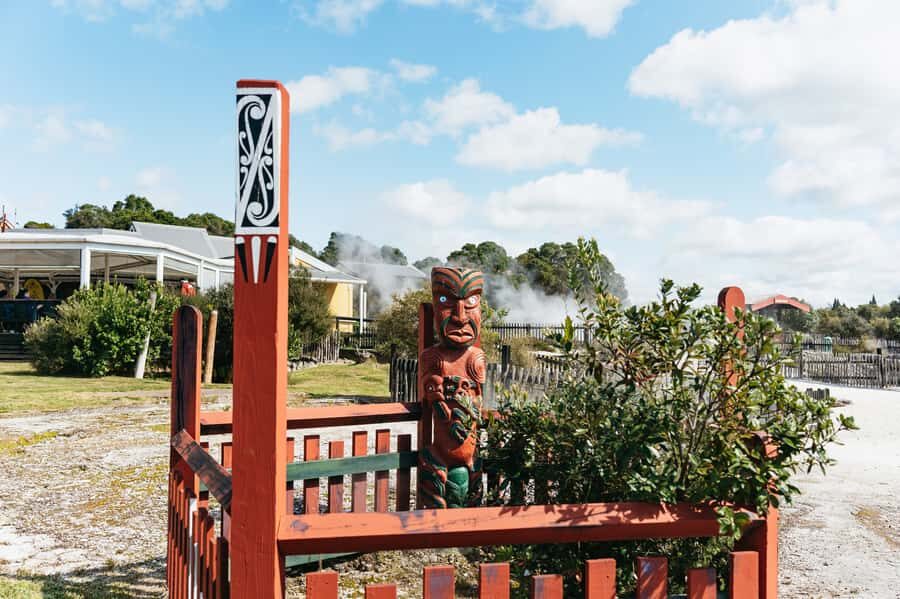
The biggest advantage of a self-guided route is control. When you walk at your own pace, you can slow down when something catches your eye and move on when you’re ready. This works well at Whakarewarewa because the features are spread across the walk in a way that invites repeated stops.
What makes it easier is the kind of information you’ll rely on: plenty of information boards along the route. That’s a big deal because the value of thermal sites is the connection between what you see and what it means. The boards help you translate the visual spectacle into something you can actually understand while you’re standing there.
Practical approach: give yourself permission to stop for photos, then stop again to read. If you only take pictures, you’ll miss the “why.” If you only read, you may feel rushed by the steam. The sweet spot is alternating—one look, one photo, one quick read, then back to the path.
Viewpoints over the village and geysers
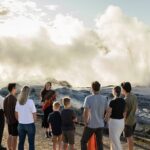
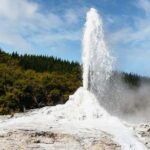
One of the headline highlights is the chance to take in panoramic views of the village and geysers from viewpoints along the way. This is where the walk stops being only about close-up thermal features and turns into an overview of the whole geothermal setting.
What you’ll get from those viewpoints:
- A better sense of how the thermal activity sits within the village area
- Context for the layout—how the walk and features connect
- Photo angles that are hard to get at ground level
If you’re the type who likes to “see the map” before you take detailed shots, these viewpoints are your friend. Use them to orient yourself visually, then go back to the smaller features with a clearer sense of location.
A few more Rotorua tours and experiences worth a look
Hot-spring lakes and bubbling mud pools: the heart of the experience
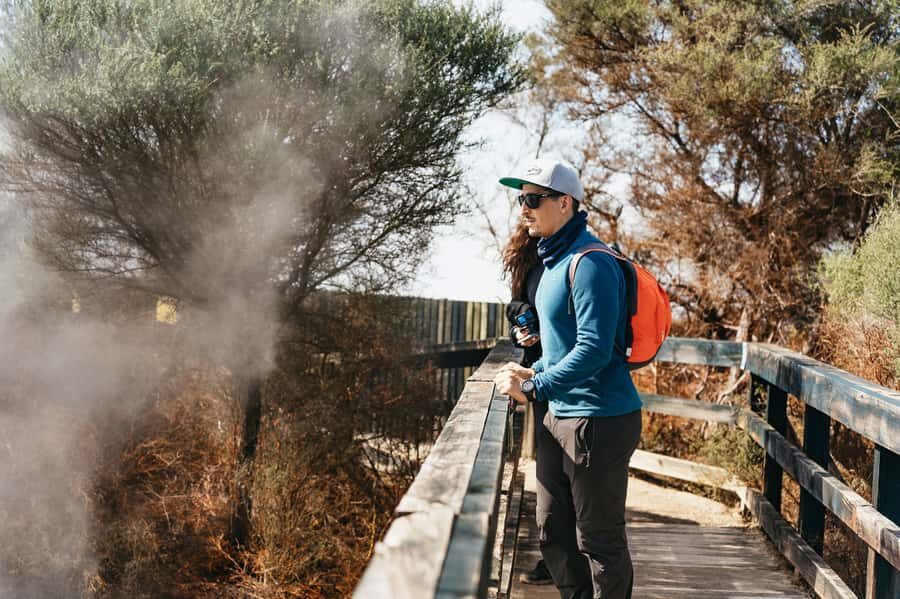
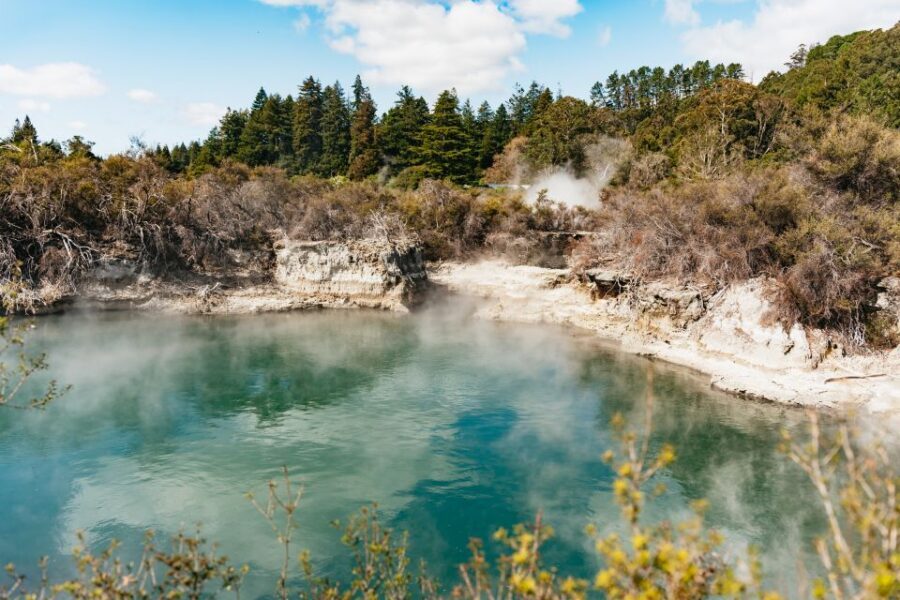
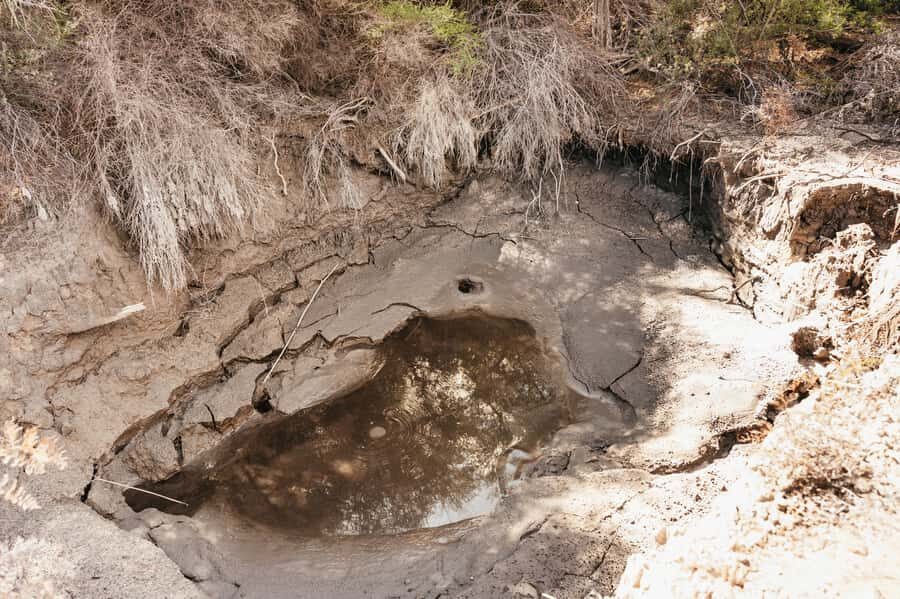
This is the main event: encountering hot-spring lakes and mud pools up close. Some of the thermal sites here are described as having healing properties, though the experience is really about seeing the geothermal landscape at work—steaming water, bubbling surfaces, and thick warm ground activity.
When you reach these areas, keep your attention on the details:
- The surface behavior—how water moves and where bubbling is strongest
- The steam patterns—how they rise and disperse
- The contrasts—warm pools versus cooler-looking edges
It’s not a “ride through.” It’s a walk where you’re physically near the action. That’s part of the magic, but it’s also why comfortable shoes matter. The trail is a geothermal environment, so you’ll want stable footing and the ability to pause without rushing.
Also, don’t treat the mud pools as a single stop. If there are multiple thermal areas on the route, approach them like different scenes. Each one has its own look and feel depending on the bubbling intensity and steam level.
Manuka bush, ferns, and edible plants: nature you can actually notice
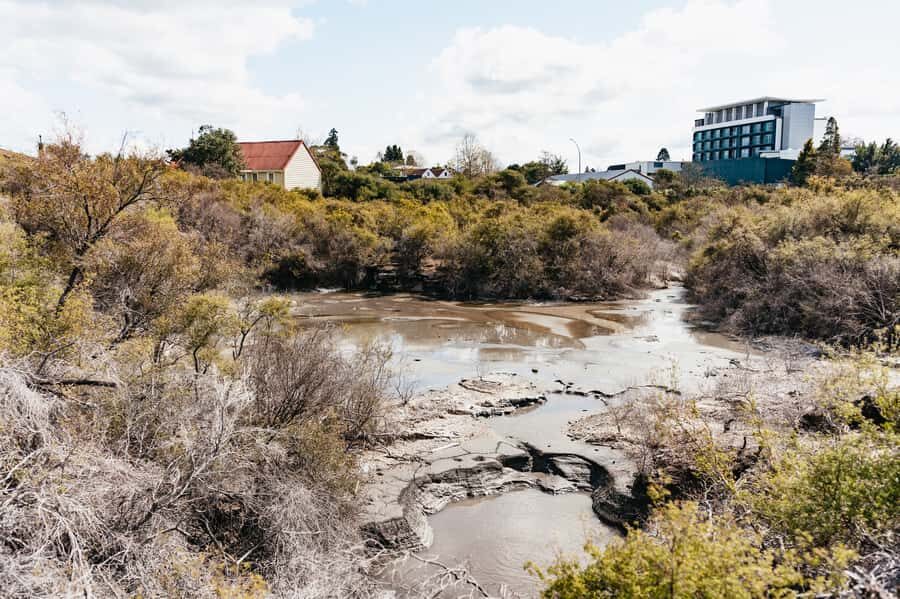
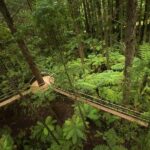
The thermal features aren’t floating in a vacuum. Along the route you’ll move through areas of native Manuka bushlands, with views of native ferns and plant life including edible plants.
That might sound secondary next to geysers and mud, but it’s part of why the walk feels more grounded. You get a sense that this is an actively used and cared-for environment, not just a staged attraction.
For photo lovers, this is useful: you can balance your geothermal shots with shots of vegetation, textures, and plant detail. For readers who like structure, it gives the boards a fuller role—your eyes aren’t only hunting for steam; they’re also tracking how the geothermal setting and living environment interact.
Timing: when to visit between 9:00 AM and 3:00 PM
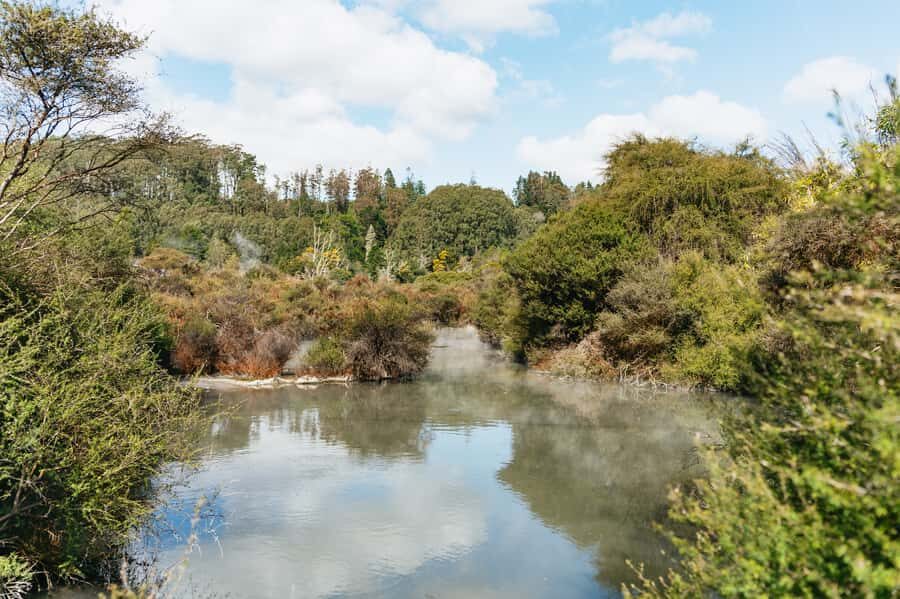
The trails are available anytime from 9:00 AM to 3:00 PM, with last call at 3:00 PM. That’s a helpful window for planning. In practice, it means you can pick a time that fits your day rather than sacrificing an entire morning to a strict departure schedule.
If you want the most relaxed experience, aim to start earlier in the open window so you’re not sprinting toward the last call. But even if you arrive later, you’ll still have enough time to enjoy the walk as long as you keep a steady pace and don’t get trapped in one long photo session.
Plan for lingering. This is a leisure walk. The experience is built for calm observation—so if you treat it like a fast checklist, you’ll leave with fewer “wow” moments.
Photography tips that actually match the site
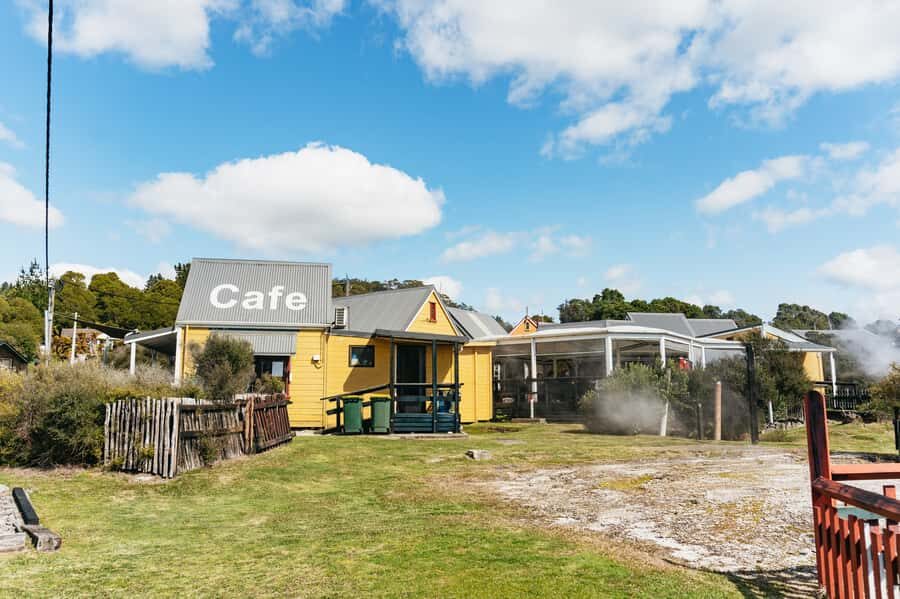
You’ll have plenty of chances to snap unique photos: steaming pools, hot-spring lakes, mud pools, and the village-and-geyser viewpoints. Since the route is self-guided, photography is easiest when you stop and reset rather than trying to photograph while walking.
Two practical habits:
- Use viewpoints to grab wider shots first, then return to close-ups for detail.
- Alternate steam-heavy photos with plant and texture shots so your photo set tells a more complete story.
And one more thing: the experience is described as allowing you to experience untouched geothermal landscapes. That means you’ll get more authentic textures and natural behavior than a “sanitized” version of geothermal. Treat your camera like a tool for remembering what you saw, not just collecting images.
What kind of traveler this suits best
This is ideal if you want:
- A self-guided walk where you can go at your own pace
- Geothermal features close up—hot-spring lakes and bubbling mud pools
- Viewpoints over the village and geysers
- A nature-and-science experience you can understand through on-site information
It’s less ideal if you want:
- A live guide with real-time Q&A
- A package that includes food/drink or transport from your hotel
For families, it can work well if everyone is comfortable with walking and reading. For solo travelers, it’s a nice fit because you can control timing and stop as you like. For people who don’t want to commit to a tightly scheduled group tour, self-guided control is a big win.
Should you book Whakarewarewa Geothermal Trails?
Book it if you like your experiences hands-on: walk through steaming thermal features, use the information boards to make sense of what you’re seeing, and enjoy village-and-geyser viewpoints at a calm pace. The $23 price makes sense when you’re paying for entry access to a full geothermal walk window from 9:00 AM–3:00 PM.
Skip it—or reconsider timing—if you strongly prefer a live guide or you’re expecting everything packaged with transport and meals. This ticket is built for independent walking and observation. If that matches your style, you’ll likely get a lot out of a short, satisfying one-day stop.
FAQ
Where is Whakarewarewa located?
Whakarewarewa is on New Zealand’s North Island. The experience is based around the Whakarewarewa Māori village.
How much does the geothermal trail ticket cost?
The price is $23 per person.
How long is the experience?
The activity is listed as 1 day. The trails are available from 9:00 AM to 3:00 PM, with last call at 3:00 PM.
Is this self-guided or guided?
It’s self-guided. A live guide is not included.
Where do I exchange my voucher before entering?
You exchange your voucher at the admissions office before entering, with the starting location listed at Geyser Café.
What’s included in the ticket?
The ticket includes entrance to the geothermal trails.
What should I bring for the walk?
Bring comfortable shoes and a camera.
Is it wheelchair accessible and what language is available?
Yes, it’s wheelchair accessible. The host/greeter language is English.
Is free cancellation available?
Yes. You can cancel up to 24 hours in advance for a full refund.